FG Weighs Large Pay Raise for Elected Officials, Fueling Public Debate
Nigeria's Revenue Mobilisation Allocation and Fiscal Commission (RMAFC) is considering an upward review of political office holders' salaries, which have been stagnant since 2008. Concurrently, the commission has initiated a long-overdue review of the country's vertical revenue-sharing formula, a move that has been met with opposition from the Nigeria Labour Congress regarding salary increases.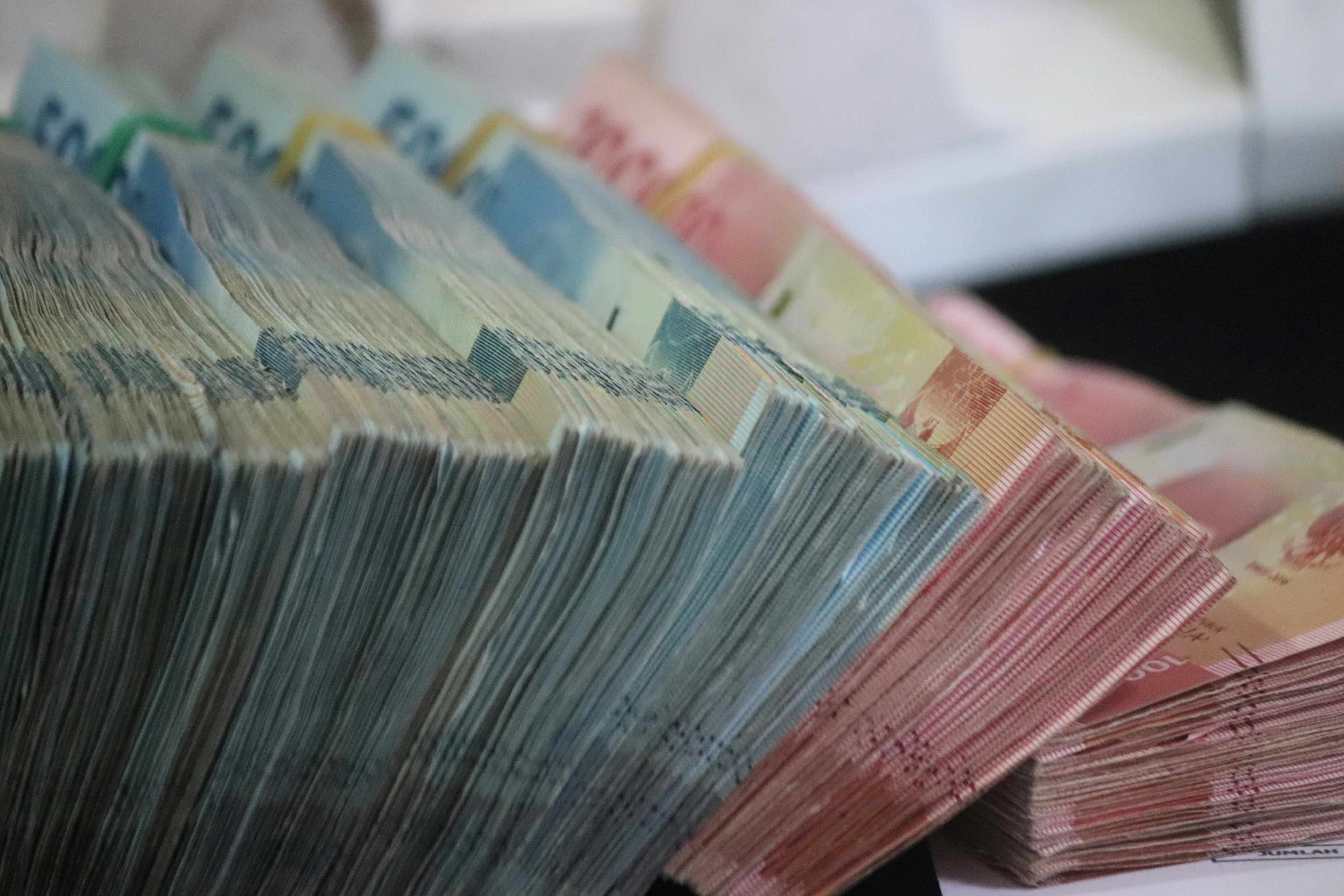
The Revenue Mobilisation Allocation and Fiscal Commission (RMAFC) has announced its consideration of reviewing the salaries of political office holders in Nigeria. This disclosure came during a press briefing held in Abuja on Monday, August 18, where RMAFC Chairman, Mohammed Shehu, highlighted the current monthly earnings: President Bola Tinubu receives N1.5 million, while ministers earn less than N1 million. These figures, he noted, have remained unchanged since 2008.
Inadequate Remuneration for Leaders
Shehu emphasized the inadequacy of these remunerations, stating, “You are paying the President of the Federal Republic of Nigeria N1.5m a month, with a population of over 200 million people. Everybody believes that it is a joke.” He further argued that paying ministers less than N1 million per month since 2008 would not incentivize their best performance, suggesting it might lead to involvement in other activities. Shehu also drew comparisons, noting that some agency heads or a Central Bank of Nigeria governor could earn ten to twenty times more than the President or Attorney-General of the Federation, which he deemed unjust.
Labour Union Opposition
However, the proposed salary review for political office holders has drawn strong opposition from the Nigeria Labour Congress (NLC). The NLC argued that the proposal disregards the country’s escalating inequality and fails to account for the substantial hidden perks that already inflate government earnings. Despite public hostility towards such pay increases, the RMAFC boss stressed that the commission is constitutionally mandated to determine the salaries of political, judicial, and legislative office holders, not the minimum wage for civil servants. Shehu urged public support for the commission to establish what he termed “reasonable living salaries” for key government officials.
Review of Nigeria’s Revenue Allocation Formula
In addition to the salary review, Shehu announced that the RMAFC has commenced a long-overdue review of Nigeria’s vertical revenue-sharing formula. This formula dictates how federally collected revenues are distributed among the federal, state, and local governments. The existing formula, which has been in effect since 1992, allocates:
52.68 percent to the Federal Government
26.72 percent to states
20.60 percent to local governments
An additional 4.18 percent is reserved for special funds, including:
1 percent each for the Federal Capital Territory and the ecological fund
1.68 percent for the natural resources development fund
0.5 percent for stabilization
Need for Reform in Fiscal Federalism

Shehu explained that this review of the revenue allocation formula is in line with the commission’s constitutional responsibility and is a response to the nation's evolving socio-economic, political, and fiscal realities. He highlighted that recent constitutional amendments have expanded the fiscal burden on state governments, making it essential to re-evaluate the structure of fiscal federalism. The aim is to foster economic growth in individual states, enabling them to achieve greater independence from the central government, while ensuring equity, responsiveness, and sustainability in revenue distribution.
Past Attempts and Political Challenges
Past attempts to adjust the formula have been unsuccessful. Shehu recalled a report presented in 2022 under former Chairman Elias Mbam, which recommended a revised allocation of:
45.17 percent for the Federal Government
29.79 percent for states
21.04 percent for local governments
However, this proposal was never implemented by the Muhammadu Buhari administration. The revenue sharing formula, a subject of controversy in Nigeria even before its independence in 1960, defines the proportion of resources accruing to the federation that goes to each governmental tier, as well as the proportion retained by generating territories and revenue-collecting agencies.
The current revenue formula was designed during the tenure of former president Olusegun Obasanjo. Since then, there have been continuous calls and attempts to modify it to ensure a more equitable distribution of accrued revenue. Investigations revealed that political dynamics and the potential consequence of the Federal Government losing a significant portion of its federation account allocation have been major contributors to the delay in completing and implementing a new revenue formula, despite efforts like nationwide consultations with all 36 states and notable figures embarked upon by the RMAFC in 2013.