FashionLore: 8 Things Africa Imported That Became Royal Symbols
From Maldivian cowries to Mediterranean coral, these six imported goods were transformed into powerful symbols of African royalty, status and cultural identity.
There are things many Africans grew up seeing and naturally assumed they came from the mother continent. For instance, a coral collar rising to the chin is an unmistakably Benin royal fashion yet its raw material never grew or formed near the Benin throne that it has become an unmistakable symbol.
In this light, here are eight of some of the imported goods that African kingdoms turned into the very language of royalty.
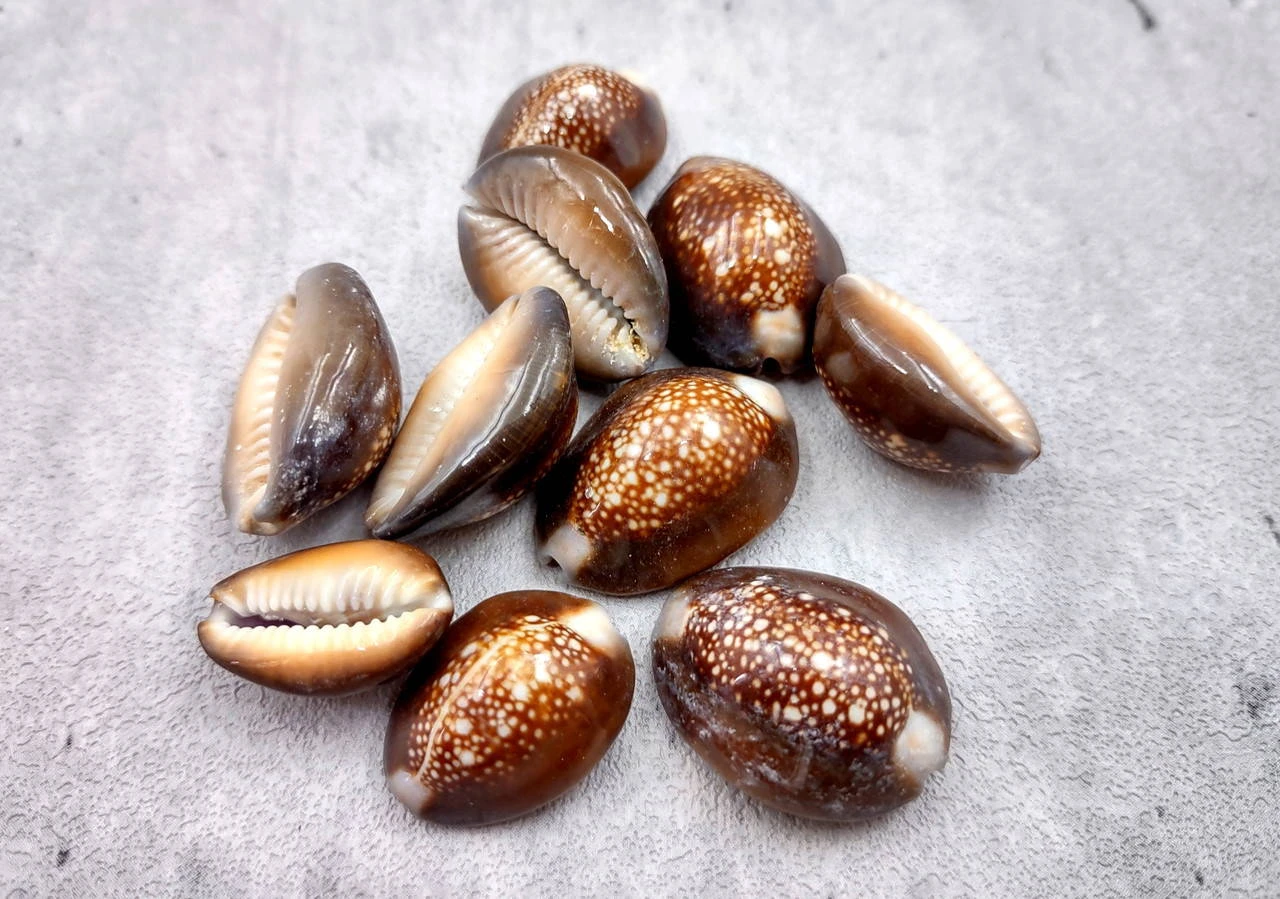
Cowrie Shells Sailed From the Maldives
Cowrie shells used across West Africa came almost entirely from Monetaria moneta. This is a species native to the Maldive Islands in the Indian Ocean.
The explorer Ibn Battuta recorded them circulating as money in the Mali Empire as early as the 14th century.
From the 1500s, European traders shipped Maldivian cowries into West Africa by the tonne through Atlantic routes. The shells became currency, adornment, and a fixture of Yoruba divination, and Ghana named its cedi currency after them in 1965.
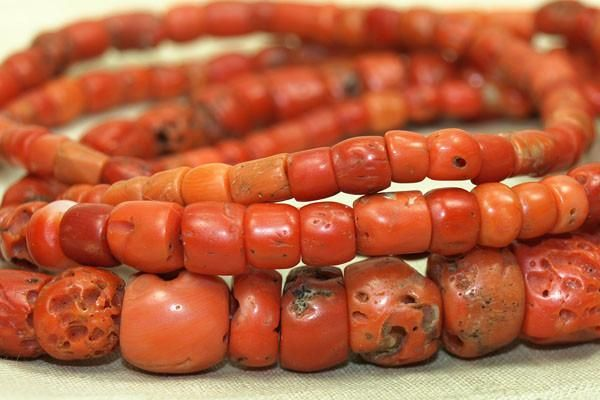
Mediterranean Coral Turned Benin's Oba Into a Living Treasury
From the late 15th century, red coral beads from the Mediterranean became one of the main goods European traders brought to the Kingdom of Benin.
Every strand entering the kingdom legally belonged to the Oba alone and he decided who could wear it. Receiving coral could make a man a chief. Losing that right could end his standing at court.
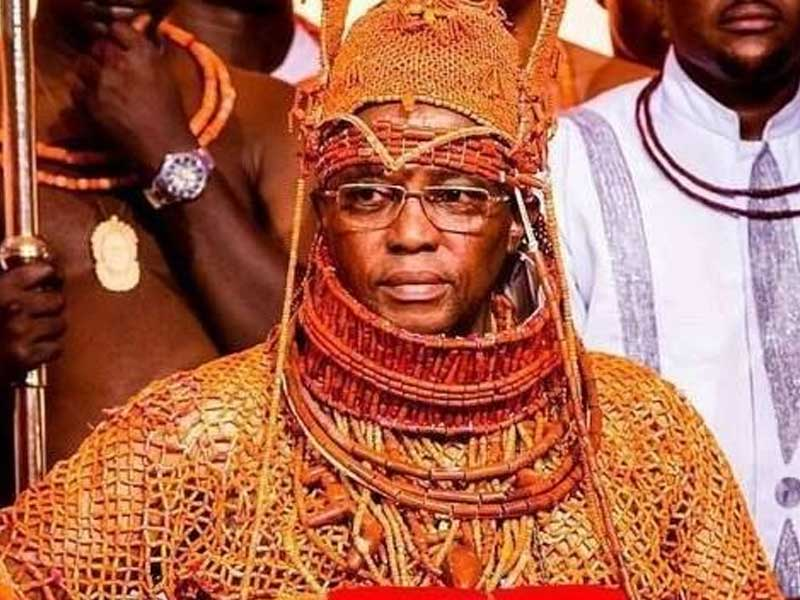
The result is the towering coral collar and lattice crown still seen on the Oba and the okuku worn by women in the palace, during major ceremonies today.
This coral beads tradition spilled into other tribes like the Yorubas and Igbos, who still use it and its glass imitation today as part of their attire.
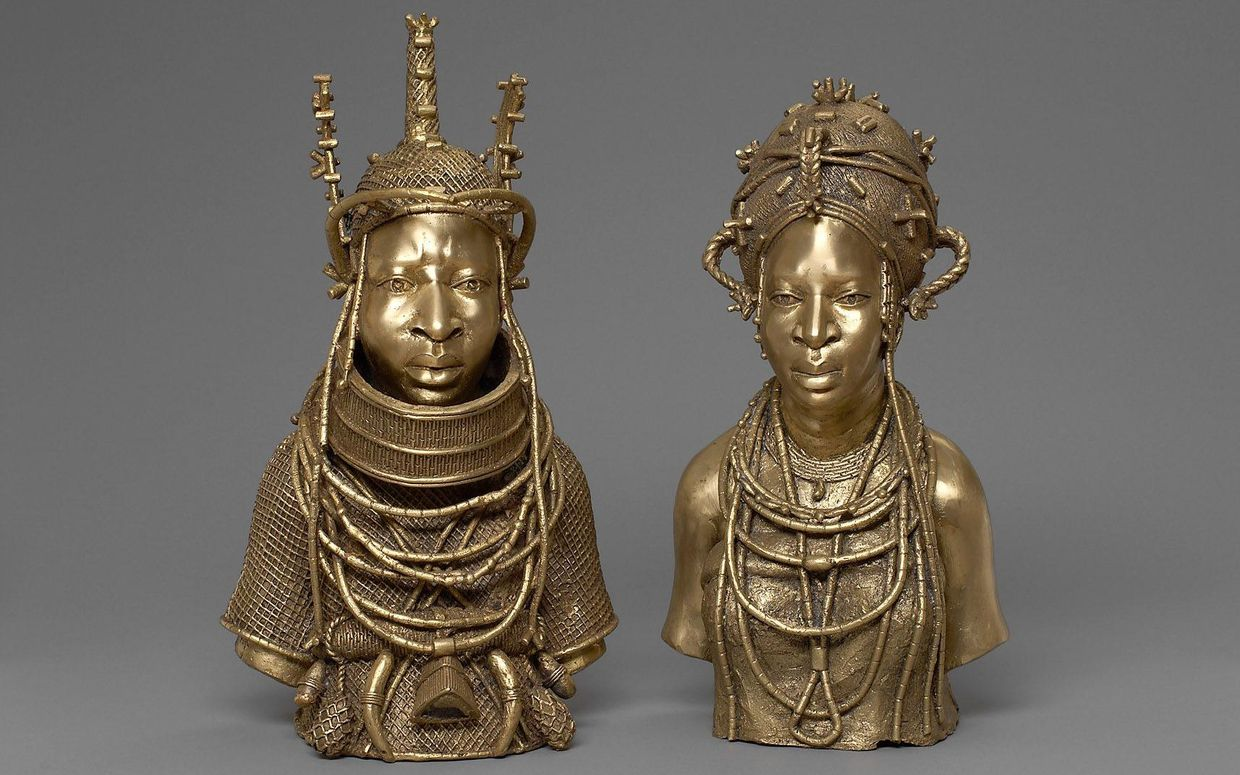
German Brass Built the Benin Bronzes
The metal behind the famous Benin Bronzes was long assumed European, and a 2023 chemical studyconfirmed it.
Researchers traced the brass to manillas, the horseshoe-shaped rings mass produced in Germany's Rhineland and shipped more than 6,300 kilometres to West Africa as trade currency from the late 15th century.
Edo casters melted these imported rings into the plaques and commemorative heads that decorated the royal palace which made the sculptures a direct record of the Oba's control over international trade.

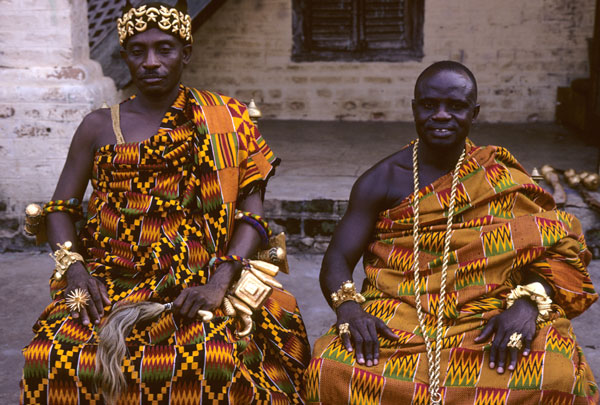
Unraveled European Silk Became Asante Royal Kente
By the late 1500s, traders were bringing Italian, Indian, and North African silk into the Asante region. Weavers at Bonwire and Adanwomase unpicked these imported cloths thread by thread and rewove the silk on narrow looms into the patterned strips known as kente.
By the early 1700s, the Asantehene had set up royal workshops dedicated to the craft, and the finest clothes were reserved strictly for the king and his chiefs.

Trans-Saharan Silk Dressed the Sokoto Caliphate's Ruling Class
The flowing riga, also called babban riga, traces back to garments introduced by Arab and Berber traders crossing the Sahara from the Middle East.
Under the 19th-century Sokoto Caliphate, it became a robe of honour for emirs and title holders, embroidered with protective motifs such as the tambari, or king's drum. Its imported silk thread signalled rank at investiture ceremonies across northern Nigeria.
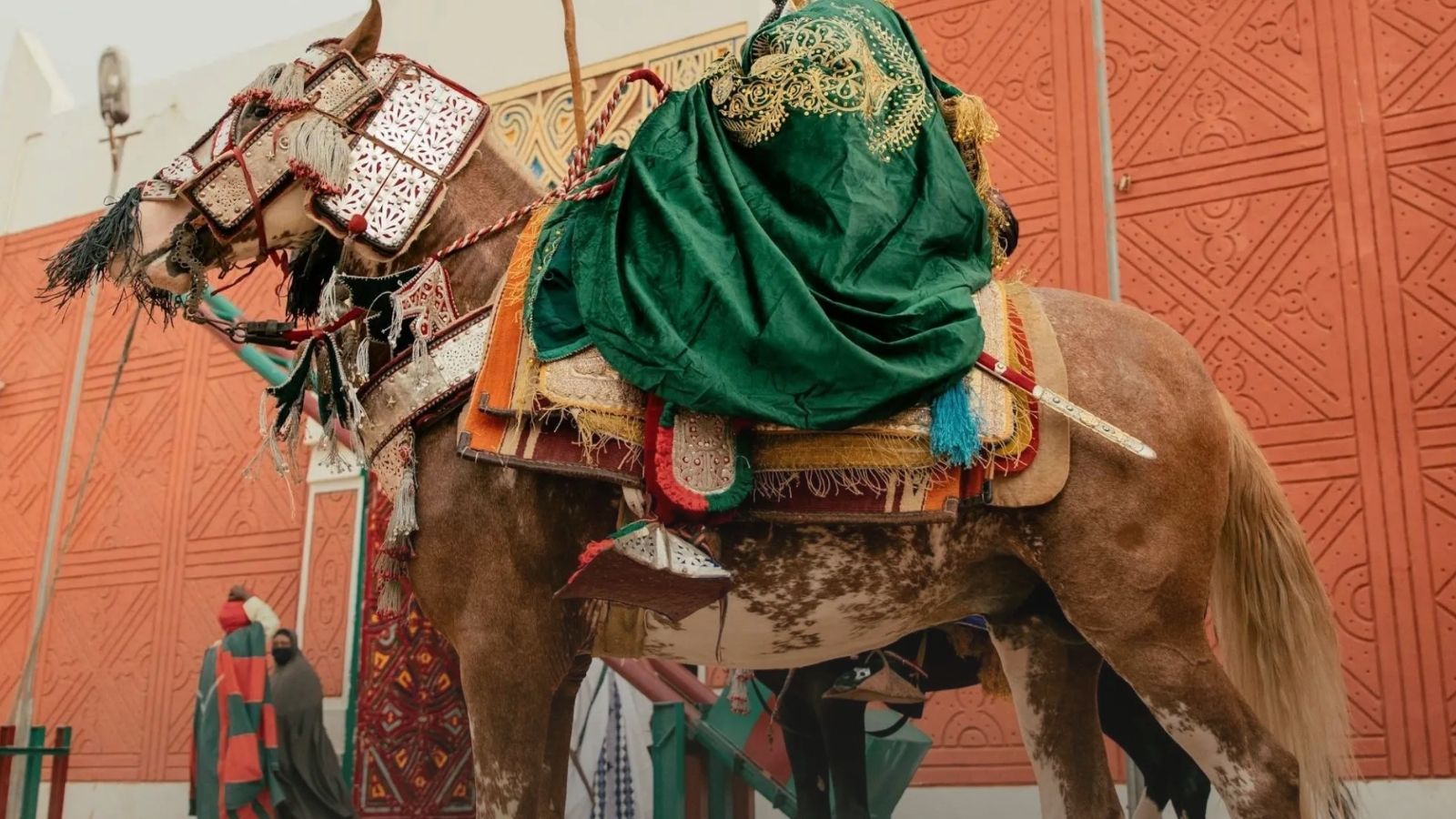
Arabian Horses Carried Sahelian and Yoruba Royalty Into Power
Thoroughbred horses moved south from North Africa and the Middle East along trans-Saharan caravan routes from around the 10th century.
The Nupe king Tsoede reportedly kept more than 5,000. The Oyo Empire built an entire cavalry state on imported stock, since local horses died young from trypanosomiasis.
Hausa and Fulani emirs still parade elaborately dressed horses at durbar festivals today, a tradition rooted directly in that centuries-old import trade.
None of these eight items started out African, yet each was reshaped into something unmistakably tied to African royal identity, proof that fashion history rarely moves in a straight line.