Exclusive: 'Ponies' Creators Spill Finale Secrets, Hint at Darker Path for Season 2
The Season 1 finale of Peacock’s "Ponies" delivers explosive twists, revealing Bea’s husband Chris is alive and exposing Cheryl as the mole. Co-creators Susanna Fogel and David Iserson discuss the show's spy thriller influences and set the stage for Season 2, promising more intrigue, complicated loyalties, and Bea's personal reckoning with profound betrayals. The show delves into themes of female empowerment, governmental moral ambiguity, and the personal stakes in espionage.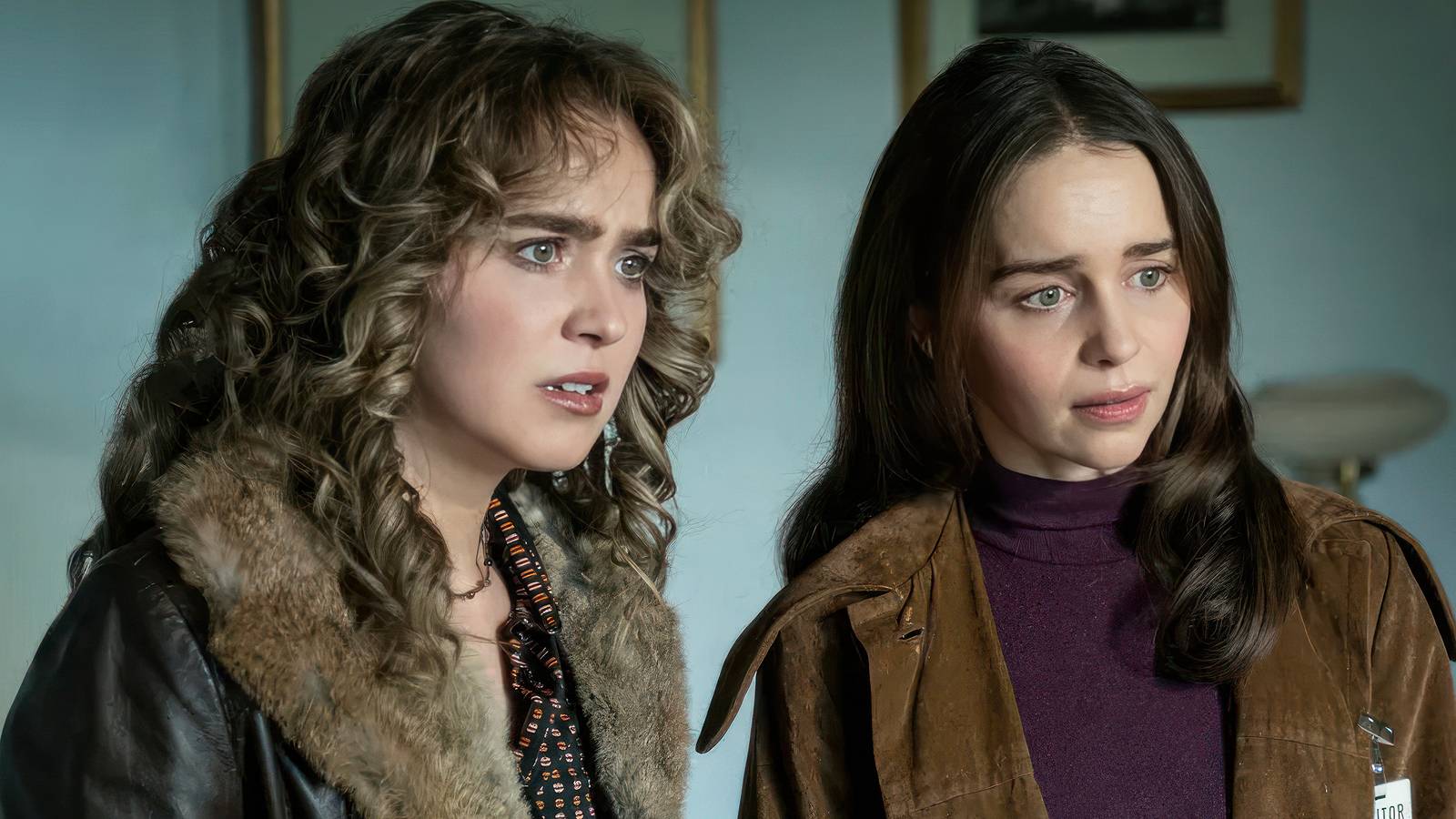
The explosive Season 1 finale of Peacock’s spy thriller series, "Ponies," dramatically elevates the stakes, shattering previous assumptions and setting a complex stage for future seasons. Following the exposure of Bea's (Emilia Clarke) cover, she and Twila (Haley Lu Richardson) are thrust into a desperate fight for survival, navigating an Elton John concert amidst evasion from the sinister KGB officer Andrei Vasiliev (Artjom Gilz). The episode delivers shocking revelations that fundamentally alter the series' trajectory, including the unmasking of mid-level CIA analyst Ray's (Nicolas Podany) wife, Cheryl (Vic Michaelis), as the long-sought mole within the Embassy. Further destabilizing the narrative, Andrei reveals American involvement in the death of Sasha's (Petro Ninovskyi) sister, Galyna (Sophia Shkliaruk). Perhaps the most stunning twist, however, is the confirmation that Bea’s presumed-dead husband, Chris (Louis Boyer), is alive, a truth first disclosed to Bea’s grandmother, Manya (Harriet Walter), leaving Bea herself still in the dark.
In an exclusive interview with Collider, "Ponies" co-creators and executive producers Susanna Fogel and David Iserson delved into the series’ espionage DNA and the implications of these shifts for Season 2. Iserson highlighted several spy films and Cold War thrillers as tonal touchstones, including "Three Days of the Condor"—influencing Chris's character and attire—alongside "The Day of the Jackal," "The Parallax View," and even "Inglourious Basterds" for its cunning villain archetype. The aesthetic was also heavily inspired by '70s television shows, influencing the aspect ratio.
The revelation of Chris being alive transforms "Ponies" into a different kind of spy story. The creators discussed Dane’s (Adrian Lester) evolving role, transitioning from Bea's protector to someone who ruthlessly compartmentalizes information. While not designed to entirely break audience faith in Dane, his evolving knowledge and potential complicity in morally ambiguous CIA actions raise questions about his trustworthiness. The decision to initially withhold the truth of Chris's survival from Bea, instead revealing it to Manya, underscores a core emotional thesis of the show: women, despite their perceived empowerment, are often used as pawns and continually denied the full truth. This setup complicates Bea's relationship with Manya and ensures that Bea will grapple with both the emotional betrayal and the new version of herself no longer defined by Chris's death.
The emotional and operational dangers of Chris's return are immense. Bea will face a profound test of trust, questioning his past actions and current loyalties, especially given her growing healthy mistrust of all involved parties. Iserson articulated that while audiences might anticipate a presumed-dead spy returning, the true novelty lies in exploring a character's long-term grappling with such a profound betrayal and the moral compromises inherent in a spouse's clandestine life. Bea, having learned of the CIA's deeply flawed moral landscape, will confront the conflict between her desire for her old life with Chris and her newfound purpose within the agency.
Cheryl's unmasking as the mole further compromises the seemingly safe domestic sphere, providing a potent commentary on societal underestimation. Fogel noted that the twist aimed to challenge assumptions, even within the show's characters and audience, that a