Every Nigerian Is Now a Media Company. What Does That Mean for Reputation, Work and Privacy?
Every Nigerian is becoming a media company. Your posts now shape your reputation, career, income and opportunities, often long before anyone meets you.
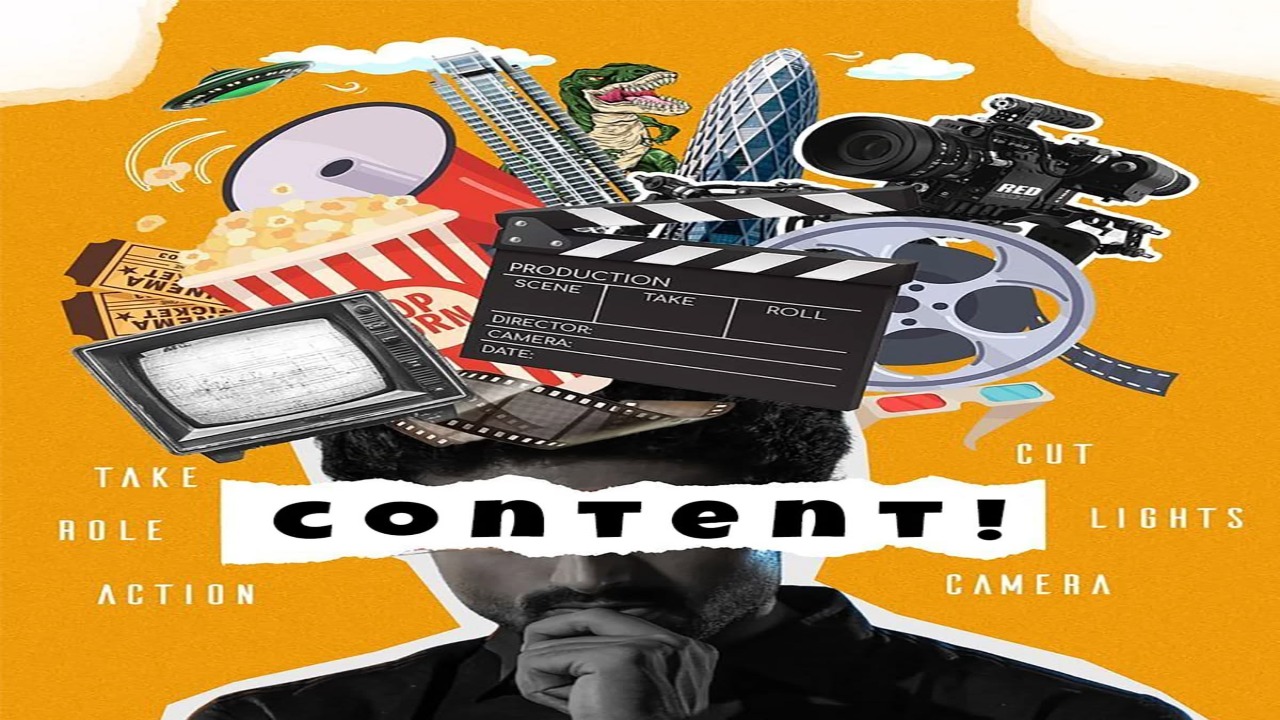
There was a time when becoming a public voice required permission.
You needed a newsroom to hire you, a television station to book you, or a newspaper willing to print your byline.
If none of them opened the door, your ideas rarely travelled beyond the people who already knew you.
Today, that permission has disappeared. A university student with a smartphone can break a story before a television station gets there. A fashion designer can build a customer base without buying a billboard.
A doctor can educate millions on TikTok between appointments. A mechanic can become Nigeria's favourite car expert simply by explaining what happens under the bonnet.
Whether you realise it or not, you're no longer just using the internet.
You're publishing, and that means something bigger than posting selfies or chasing trends. It means every Nigerian is slowly becoming a media company.
The Gatekeepers Didn't Disappear, They Lost Their Monopoly.
There was a time when institutions decided whose voice mattered.
Editors chose which stories deserved attention. Television producers decided who appeared on screen. Radio stations determined which opinions reached millions of listeners. Credibility flowed from institutions to individuals.
That model has quietly flipped.
Today, before someone hires you, invests in your business, collaborates with your startup or even replies to your email, they often search your name first.
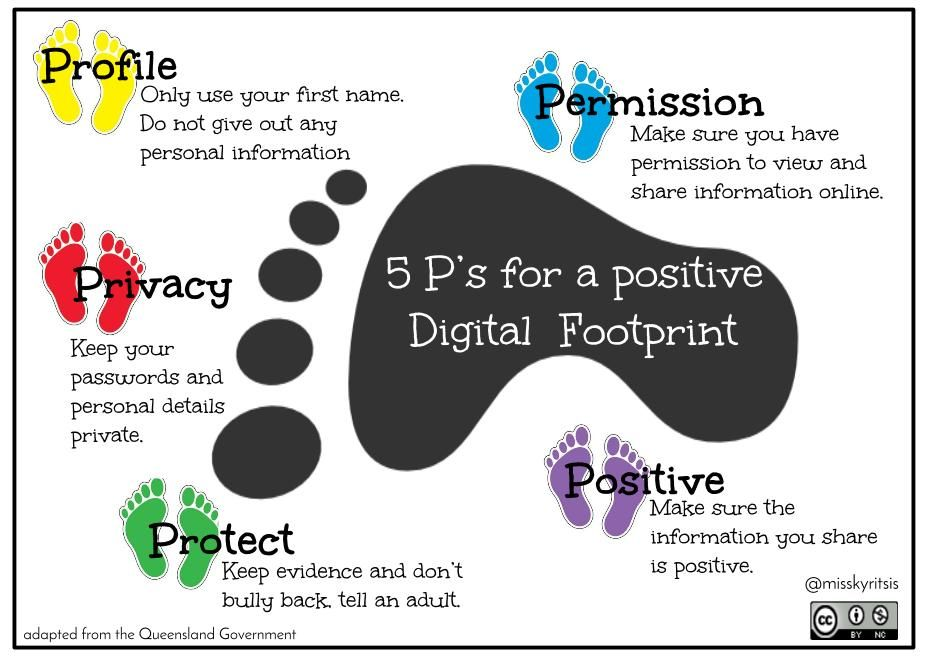
What appears isn't your CV; it's your digital footprint.
Your LinkedIn posts, your TikTok videos, your X threads, your Instagram captions, your YouTube channel, your newsletter, even your podcast.
The ideas you've shared long before anyone asked you to.
Social Insight
Navigate the Rhythms of African Communities
Bold Conversations. Real Impact. True Narratives.
In many cases, people don't meet you first, they meet your content.
The burden of credibility has shifted from organisations to individuals. Increasingly, people are expected to build evidence of their expertise in public, one post at a time.
Your Digital Footprint Is Your Reputation Now
There is another consequence of becoming your own media company that many people don't think about until it's too late.
Every media company has an archive. So do you.
Every tweet, Instagram caption, Facebook post, TikTok video, LinkedIn comment, and WhatsApp status contributes to a public record that tells people who you are before they ever meet you.

Increasingly, employers, investors, scholarship committees, clients, and collaborators don't wait for an interview to form an opinion. They search your name.
What they find becomes your first impression.
That is why your digital footprint has become one of your most valuable assets or one of your biggest liabilities.
The internet rarely asks whether you've changed. It simply remembers what you published.
One of the clearest Nigerian examples is Ezra Olubi, the co-founder of Paystack. Years after helping build one of Africa's most celebrated fintech companies, old social media posts resurfaced online and quickly became the centre of public conversation.
The backlash was intense, dominating headlines and online discussions, eventually leading Paystack to suspend him while it reviewed the matter.
Whether people agreed with the criticism or not is almost beside the point.
The incident showed how quickly years of work, credibility, and achievement can be overshadowed by a digital footprint that many assumed had been left in the past.
In today's internet, old posts do not simply disappear because time has passed. They remain searchable, shareable, and capable of resurfacing at the moment your profile is receiving the most attention.
Social Insight
Navigate the Rhythms of African Communities
Bold Conversations. Real Impact. True Narratives.
This is the new reality of personal publishing.
When you become your own media company, you also become your own editor, communications team, and reputation manager.
Every post is a publishing decision. Every comment is part of your archive. And every digital footprint is a story someone else may one day tell about you.
In Nigeria, Attention Has Become a Form of Survival
Long before social media existed, Nigerians understood the value of visibility.
The trader who shouted loudest in Balogun Market wasn't simply making noise. She was competing for attention.
Churches filled auditoriums through word of mouth. Musicians handed out CDs in traffic. Politicians knew that a crowded rally made a powerful photograph.
The instinct is old, but the infrastructure is new.
Social media has turned attention into an economic asset. A following can attract customers, investors, speaking invitations, job offers, partnerships, and funding.
In a country where youth unemployment remains high and traditional career paths are increasingly uncertain, building an audience is no longer just about influence.
For many Nigerians, it has become an alternative form of economic infrastructure.
A content creator's audience is a distribution network, a founder's LinkedIn page is a marketing department, a doctor's TikTok account becomes public health education, and a lawyer's X account becomes client acquisition.
The individual is beginning to perform functions that institutions once monopolised.
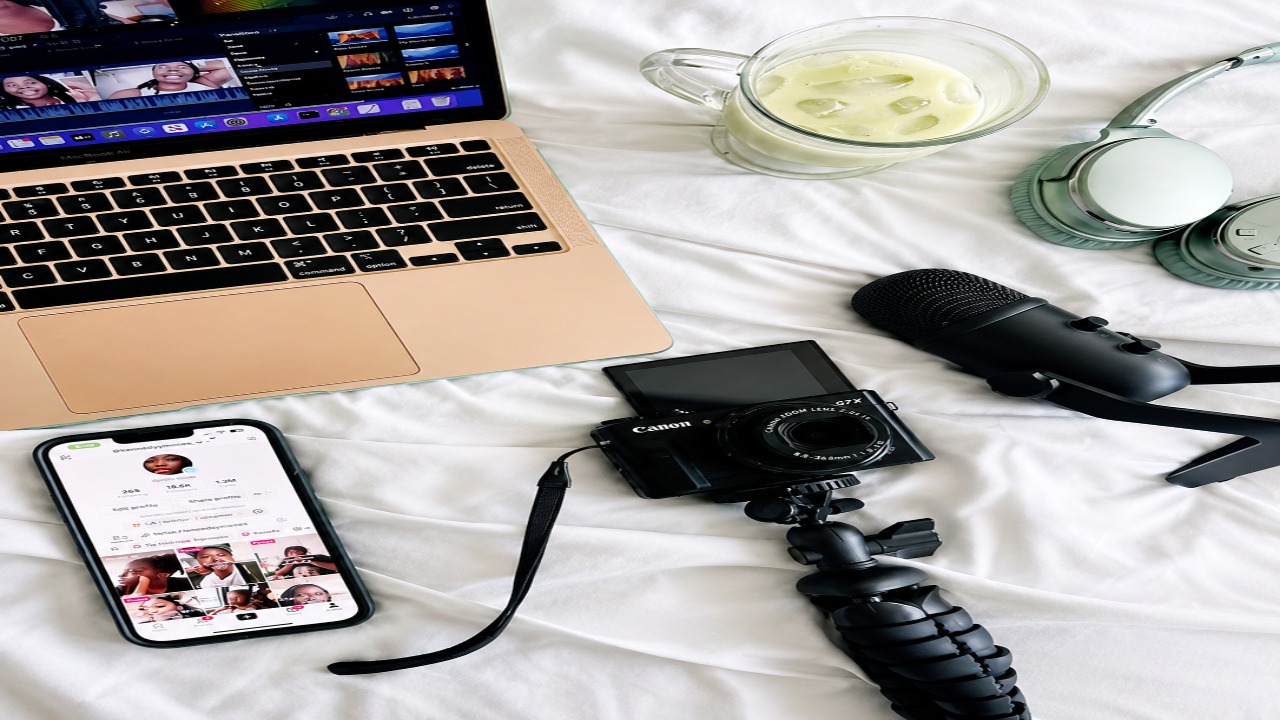
The Hidden Cost of Becoming Your Own Media Company
There is, however, a side of this transformation that receives far less attention.
Running a media company used to require teams.
There were reporters, editors, photographers, designers, marketers, social media managers, data analysts and sales departments.
Social Insight
Navigate the Rhythms of African Communities
Bold Conversations. Real Impact. True Narratives.
Today, one person often performs every one of those roles.
You create the idea, film it, edit it, write the caption. You respond to comments, study the analytics, you wake up and do it all again.
Most people aren't paid for this work until months or even years later, if they're paid at all.
There is also a another cost.
When every meal, holiday, opinion, achievement and heartbreak can become content, the line between experiencing life and producing content begins to blur.
The internet rewards visibility, but human beings still need privacy.
That tension may become one of the defining questions of this generation.
The question is no longer simply, "What do you do?"
It is, "What do people know you for before they ever meet you?"
Whether you're a student, entrepreneur, lawyer, artist, engineer or job seeker, the answer increasingly lives online.
Like it or not, you're already in the media business.