EU's Russia Sanctions Spark Fury Amid Usmanov Controversy
The European Union has controversially removed Uzbek-Russian oligarch Alisher Usmanov and Mikhail Fridman from its sanctions list after complex negotiations. This decision, driven by a French-brokered prisoner release deal and a Slovak veto, has drawn criticism from Ukraine, despite the EU's move to extend broader individual sanctions against Russia for an unprecedented 36 months.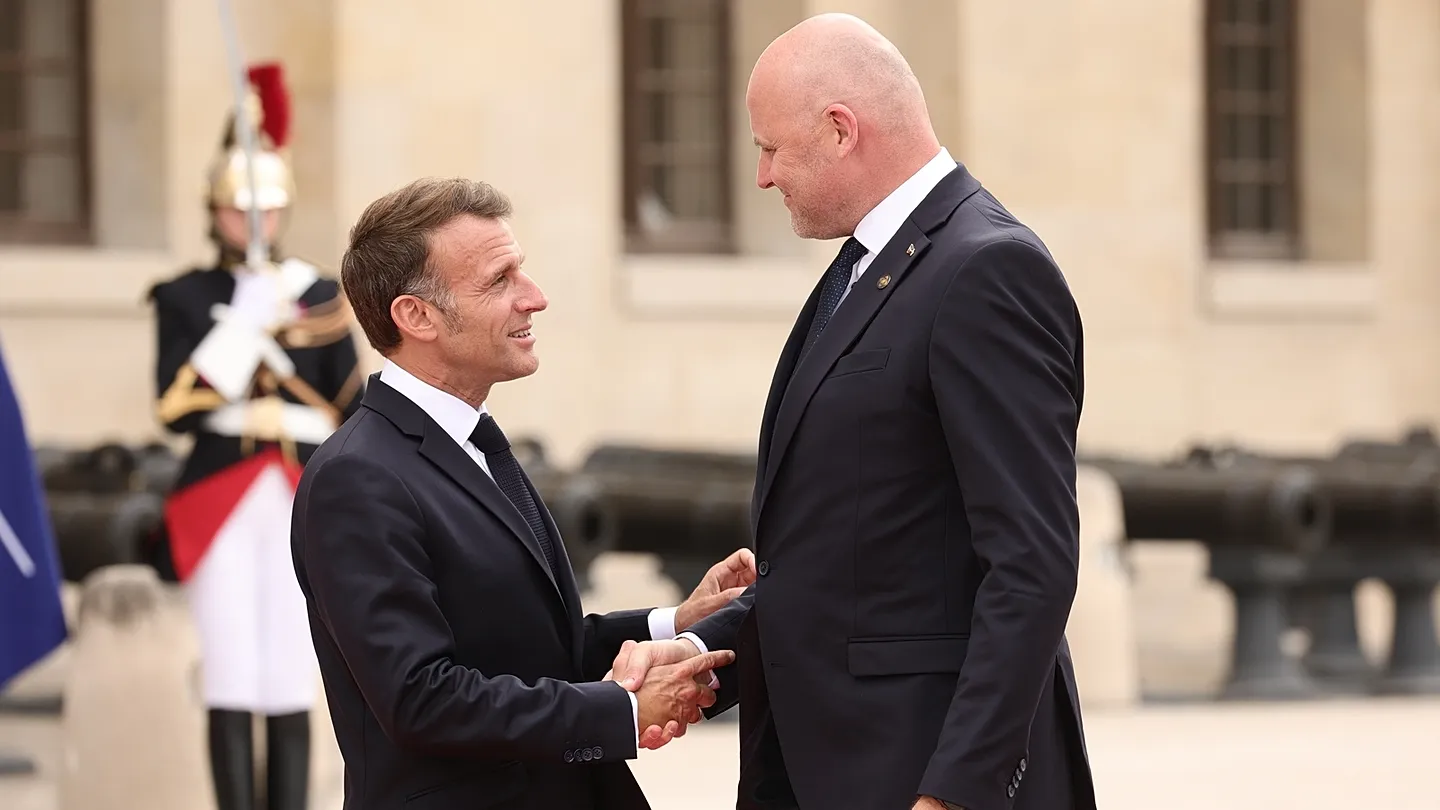
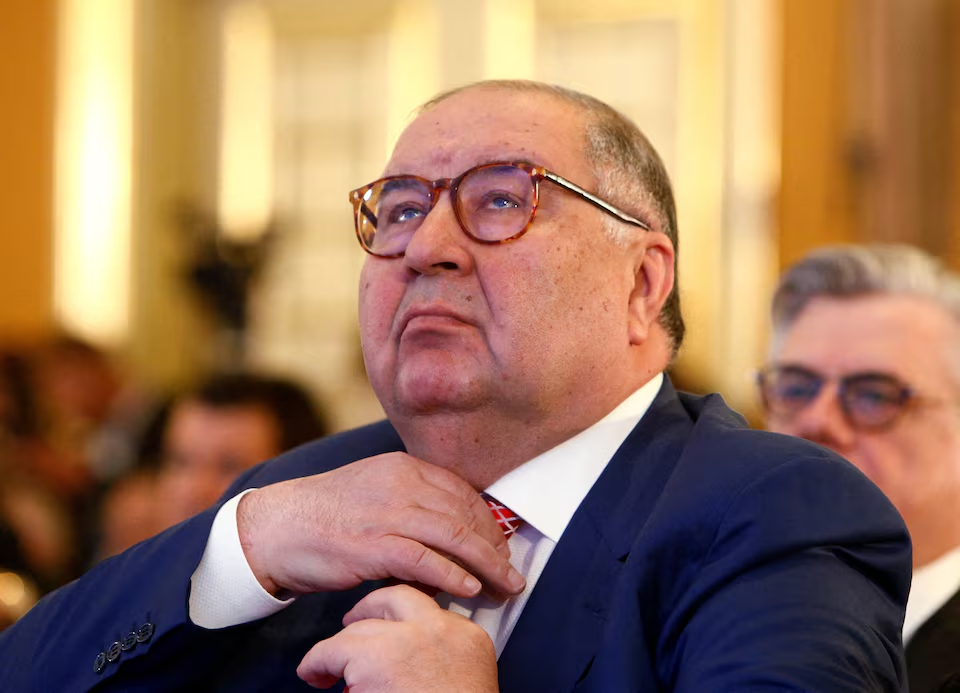
The European Union has reached a contentious agreement to remove two prominent Russian-Uzbek oligarchs, Alisher Usmanov and Mikhail Fridman, from its extensive sanctions list.
This decision followed two weeks of fraught and drawn-out negotiations that pushed the bloc's sanctions regime to the brink of collapse, ultimately resulting in a compromise that has stirred significant debate and criticism, particularly from Ukraine.
An Uzbek-Russian oligarch, Alisher Usmanov who was sanctioned in the early days of Russia's full-scale invasion of Ukraine due to his close ties to President Vladimir Putin and interests in key sectors of the Russian economy, was delisted following a complex behind-the-scenes agreement.
Euronews reported that Uzbek and French authorities orchestrated a deal under which Azerbaijan would release two French nationals from prison in exchange for Usmanov's removal from the blacklist.
France, while citing a “national security” issue, has not officially confirmed this arrangement. The two French nationals involved were Anass Derraz, a water-management executive sentenced to 12 years for bribery, and Martin Ryan, sentenced to 10 years for spying, charges both he and Paris strongly contested.
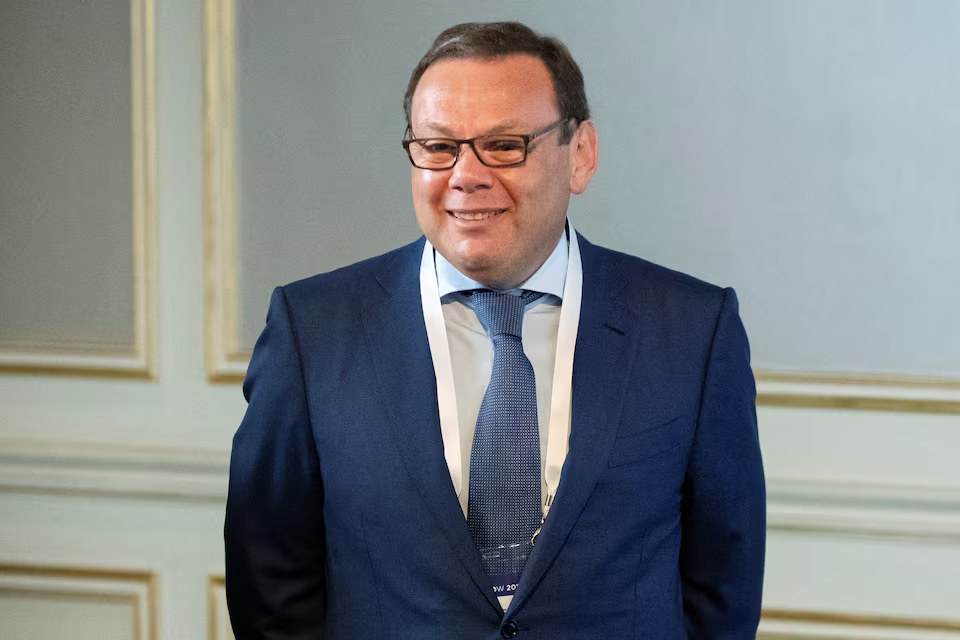
Another Russian oligarch, Mikhail Fridman was also removed from the sanctions list after Slovakia vetoed his continued listing.
Luxembourg had previously argued that if Usmanov was delisted, Fridman should also be, especially given Fridman's ongoing $16 billion claim against Luxembourg over his frozen assets.
As a direct consequence of these delistings, the asset freezes and travel bans previously imposed on both businessmen will be lifted.
The negotiations leading to this outcome were particularly intense. Latvia initially stood firm in its lone objection, with Prime Minister Andris Kulbergs publicly expressing his opposition to easing pressure on Moscow by removing high-profile individuals.
Kulbergs warned against a trend of “cherry-picking” from sanctions, which he equated to “normalising Russia.”
Despite his strong stance, Latvia eventually relented, opting for a “constructive abstention” on Tuesday afternoon, which allowed the necessary unanimity among member states to pass the compromise.
To offset the political blowback and the perception of weakening sanctions, the EU decided to extend its individual sanctions on Russia for an unprecedented 36 months.
Previously, these measures were renewed every six months, offering member states frequent opportunities to seek concessions.
The Irish presidency of the EU Council, which chaired the talks, acknowledged the difficulty of the resolution but emphasized that the 36-month renewal enhances the “durability and predictability of the EU sanctions framework.”
The sanctions list currently encompasses over 2,600 individuals, organizations, and entities accused of supporting Russia's war in Ukraine, including President Vladimir Putin.
The delisting of Usmanov and Fridman has provoked a strong reaction from Kyiv, which vocally opposed the move.
The Ukrainian President Volodymyr Zelenskyy publicly appealed to the bloc to keep both oligarchs on the blacklist, thanking Latvia for its initial opposition.
He stressed that the world needs “timely and unconditional rollover of individual sanctions” until Moscow engages in serious peace negotiations and takes concrete steps to end the war.
Despite Kyiv's appeals, member states concluded that France had invested too much political capital in securing Usmanov's delisting to back down.

The Latvian Prime Minister Kulbergs, while welcoming the 36-month timeframe for future sanctions renewals, expressed concerns about the “playbook” this episode establishes, fearing it might encourage future demands for concessions linked to external events.
Following the agreement, the Latvian government confirmed its intention to apply national-level sanctions on Usmanov and Fridman, urging other member states to follow suit.
During the negotiations, Kulbergs also engaged with French President Emmanuel Macron and discussed the vulnerability of Europe's eastern flank, suggesting Latvia's potential interest in joining France's nuclear deterrence program as a means of enhancing security coverage.