Escalating Tensions on Thai-Cambodian Border: Assassination Rumours, ICC Threats, and Encroachment Claims Ignite Regional Spat
Thailand has vehemently denied Cambodian allegations of plotting to assassinate its leaders, condemning such claims as baseless disinformation that undermines diplomatic efforts. Meanwhile, the Thai-Cambodian border conflict remains a focal point, with reports of widespread fake news, investigations into landmine use by international observers, and proposed legal action against Cambodian leaders for alleged war crimes and border encroachment.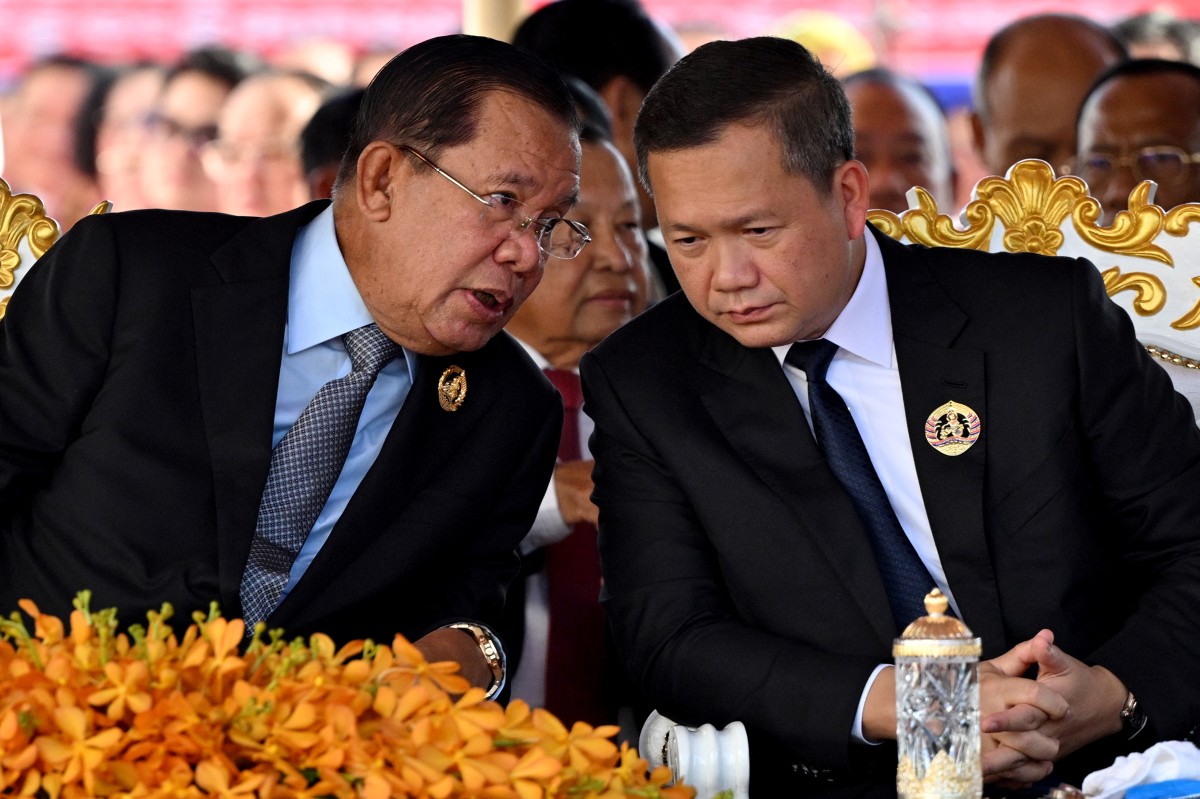
Thailand's Ministry of Foreign Affairs has firmly rejected recent social media claims alleging that Thailand is planning to assassinate Cambodian leaders Hun Sen and Hun Manet. These accusations, reportedly made by Cambodia’s Minister of Information citing foreign intelligence sources, were called entirely unfounded and defaming by Nikorndej Balankura, Director-General of the Department of Information. Nikorndej stressed that spreading such false news, especially amidst ongoing General Border Committee (GBC) discussions, is counterproductive and undermines the spirit of dialogue aimed at peaceful resolution. The Ministry condemned this disinformation as a harmful attempt to derail diplomatic efforts between the two nations.
This incident is part of a broader trend of misinformation surrounding the border conflict. The Ministry of Digital Economy and Society (DES) reported that eight out of the top ten fake news items in a recent week were false reports related to the Thai-Cambodian border. The top three, and five additional stories, specifically concerned the border situation, highlighting the pervasive nature of disinformation in the context of the bilateral tensions.
Amid these diplomatic and informational challenges, the Royal Thai Army (RTA) is leading the ASEAN Interim Observation Team (IOT) in visiting the Thai-Cambodian border to monitor alleged breaches of international law and ceasefire conditions by Cambodian troops. This mission follows earlier visits organized by the Thai government for international bodies. ASEAN envoys and representatives from countries that ratified the Ottawa Convention – which bans the use, stockpiling, production, and transfer of anti-personnel mines – visited Si Sa Ket province. There, envoys reportedly witnessed evidence of anti-personnel mines allegedly laid by Cambodian troops and interviewed affected residents. Thailand expects these findings to be reported to respective governments and raised with the international community.
Furthermore, the RTA, in coordination with the Foreign and Interior Ministries, facilitated a visit by representatives of the International Committee of the Red Cross (ICRC). The ICRC assessed the humanitarian impact of cross-border attacks on civilians in Surin, Si Sa Ket, and Ubon Ratchathani provinces, interviewing local residents in affected districts. This visit underscored Thailand’s commitment to collaborating with the ICRC to enhance humanitarian protection mechanisms. The ICRC gathered factual information on the ground from affected civilians and will compile a confidential report on the humanitarian impact for direct submission to both Thailand and Cambodia, without making its findings public.
The seriousness of the border issues has led to proposals for legal action against Cambodian leadership. Acting Prime Minister Phumtham Wechayachai stated that academics might submit a proposal for the government to consider suing Cambodian Prime Minister Hun Manet and his father, Hun Sen, as war criminals in the International Criminal Court (ICC). This follows a resolution by the National Security Council (NSC) to file both criminal and civil lawsuits against them in Thai courts for causing deaths, injuries to Thais, and property damage by ordering Cambodian troops to fire at Thai civilians.
A significant point of contention concerns the historical context of border encroachment. Government spokesman Jirayu Houngsub insisted that Cambodians had betrayed Thai hospitality and humanitarian aid by establishing a community on Thai soil at Ban Nong Chan village in Sa Kaeo. This village, initially a temporary shelter for Cambodians fleeing civil war in 1977, was allegedly exploited by Cambodia to encroach on Thai territory. Jirayu addressed claims by an American lobbyist hired by the Cambodian government, who alleged Thai troops blocked hundreds of Cambodians from returning home. Jirayu clarified that Thailand had erected razor wire within its own boundaries to protect its territory from further encroachment and attacks by Cambodian troops, who had laid landmines. He emphasized that this action did not violate the conditions agreed upon during the General Border Committee’s meeting on August 7, which stipulated neither side would construct structures outside their territories.