Enola Holmes 3 Goes Deep: Confronting Colonialism and Growth
Enola Holmes 3 delves into mature themes, exploring Enola's impending marriage to Lord Tewkesbury and the conflict between her detective career and societal expectations. The film also tackles the British Empire's colonial history, presenting a deeper, more critical narrative than its predecessors.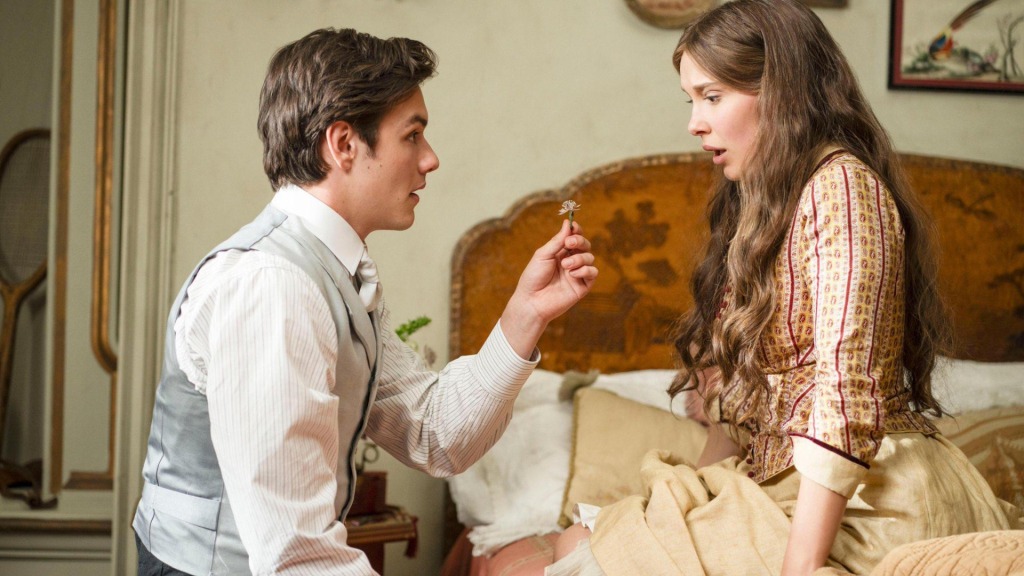
Unlike the traditional static narratives of classic Sherlock Holmes stories, the Netflix Enola Holmes series has consistently evolved as a Victorian coming-of-age saga, interwoven with its mystery elements. The first film saw Enola Holmes, portrayed by Millie Bobby Brown, propelled from her home into finishing school, while the second depicted her diligently building a career, establishing her place in society, and navigating the complexities of falling in love.
Enola Holmes 3 continues this developmental arc, shifting its focus towards more mature themes and downplaying some of the earlier films' lightheartedness. The movie opens with Enola's impending wedding to her long-time love interest, Lord Tewkesbury (Louis Partridge). A central conflict emerges as the narrative explores the profound implications for a young woman who has forged a reputation as a detective to potentially relinquish her career for marriage, a decision dictated by societal expectations and Tewkesbury's aristocratic standing. The film poses a poignant question: has Enola reclaimed the 'Holmes' moniker from her brother Sherlock (Henry Cavill) only to forsake it for domesticity?
Furthermore, much like the second film brought the real-life 1888 London Matchgirls' Strike to the forefront, Enola Holmes 3 tackles the weighty issue of colonization, specifically addressing the British Empire's oppressive role in territories such as Afghanistan, India, and Malta. This thematic depth is underscored by powerful exchanges, including a Maltese freedom fighter's refusal to educate a colonizer on colonial indignities, and a British commander's stark justification of war crimes with the assertion that "there are practicalities in war that go beyond the mere morality of 'good'." This thematic maturity marks a significant departure from earlier, lighter discussions, like the discomfort of corsets, showcasing the series' progression into more profound and critical social commentary.