Energy Revolution! Southern Africa Forges Ahead with Green Power and Grid Overhaul
Energy leaders at the Southern African Power Pool (SAPP) meeting in Lusaka addressed rising power demand and climate challenges, advocating for strengthened cross-border networks and diverse energy investments. The discussions emphasized regional cooperation to stabilize electricity supply and integrate renewables, feeding into the continental Mission 300 initiative to expand electricity access.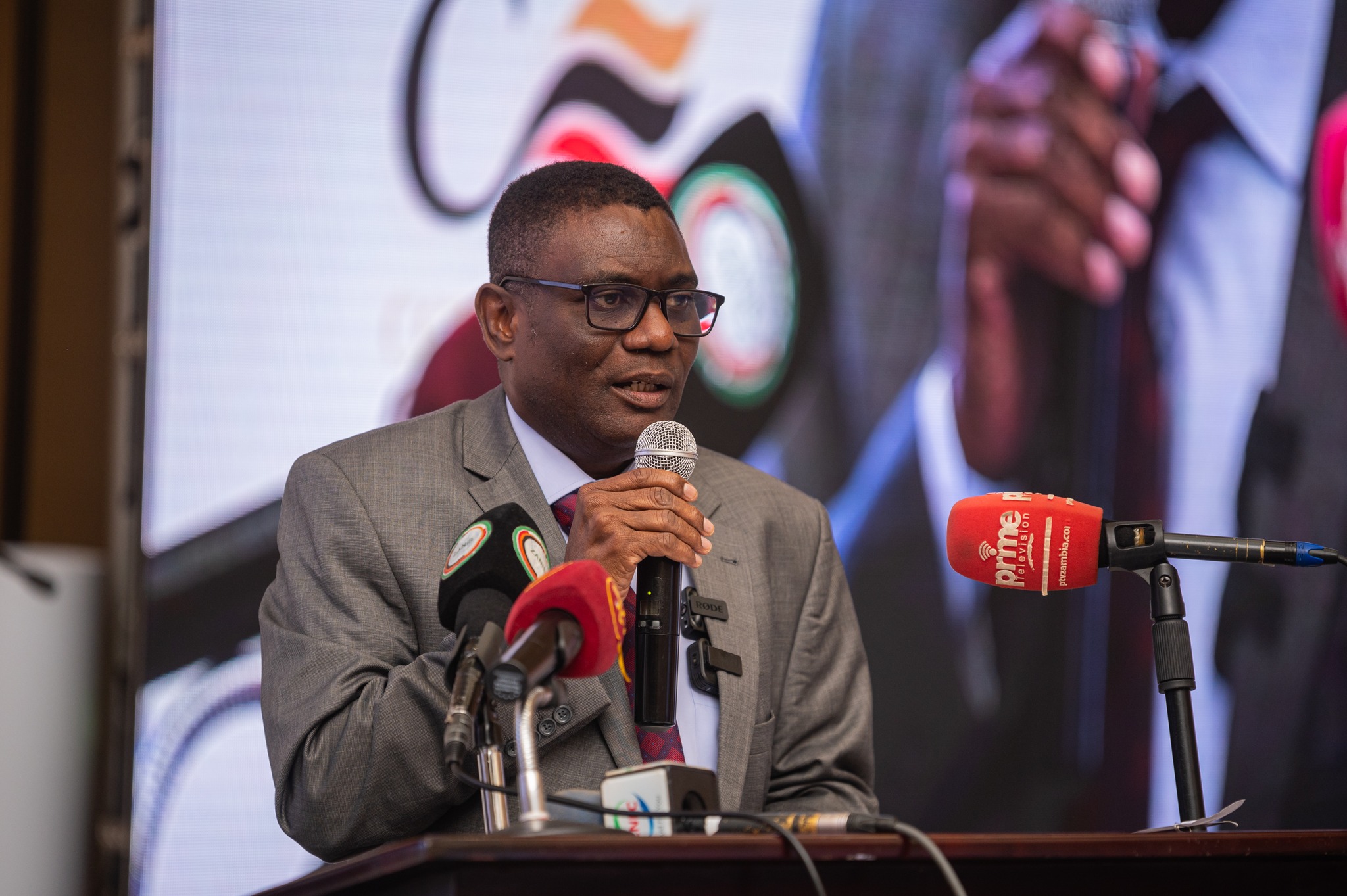
Energy leaders from across Southern Africa converged in Lusaka this week for a high-level meeting of the Southern African Power Pool (SAPP), placing the future of the region's electricity systems at the forefront of discussions. The meeting addressed critical challenges including escalating power demand, the deterioration of existing infrastructure, and the mounting pressures from climate change. Delegates underscored the imperative to bolster cross-border transmission and distribution networks, alongside accelerating strategic investments in a diverse array of resilient energy sources.
The core of the discussions centered on how enhanced regional cooperation can effectively stabilize electricity supply across SAPP's 12 member states. This collaborative approach is vital as climate change increasingly disrupts traditional hydropower generation capabilities and strains national grids. Participants advocated for a multi-faceted strategy comprising coordinated planning, the expansion of regional interconnectors, and increased participation from the private sector. Such measures are envisioned to foster a more flexible power system, capable of seamlessly integrating renewable energy while consistently ensuring reliable electricity for both households and industries.
The gathering brought together an impressive contingent of 350 delegates, representing 17 power utilities from the SAPP's 12-member consortium, an organization established by the SADC in 1995. Justin Loongo, the chief executive of Zambia's state power utility, Zesco, highlighted the critical juncture the region faces. He stated, "As we reflect on the achievements of the past three decades, we must also recognise that the region now stands at a critical juncture. Across Southern Africa, demand for electricity continues to grow at a rapid pace, driven by industrial development, population growth and expanding economic activity."
Power utilities in the region are increasingly adopting a collaborative stance, moving away from isolated operations. This shift acknowledges that effective power provision for their respective countries necessitates closer coordination, robust cross-border power trading, and integrated joint planning. The private sector, represented by figures like Padmore Muleya, board chairperson of Kanona Power (developer of the $100 million Zambia-Tanzania Interconnector), is keen for SAPP to assume a leading role. Muleya articulated the pool's function, stating, "Some systems have surplus potential while others face persistent deficits. The power pool exists precisely to bridge this imbalance," by facilitating the distribution of power resources from surplus systems to deficit markets, thereby fueling industrial activity by leveraging the region's vast energy resources including solar, hydro, geothermal, and emerging gas potential.
Muleya further emphasized the crucial role of stronger regional interconnections in meeting the burgeoning electricity demand, particularly driven by expanding mining activities in Zambia, the Democratic Republic of Congo, Zimbabwe, and other parts of the region. Governments are concurrently urging utilities to prioritize the development of more robust transmission networks and to diversify power sources. This dual focus aims to ensure that affordable electricity reaches citizens across the entire Southern African region. Zambia's Minister of Energy, Makoze Chikote, issued a challenge to SAPP: "As governments, we challenge SAPP to embrace off-grid solutions that are grid-ready to allow seamless integration into national grids in the future."
The discussions held in Lusaka are integral to a broader continental aspiration: to expand electricity access to 300 million Africans by 2030. This ambitious goal falls under the World Bank and African Development Bank-supported Mission 300 initiative, which seeks to accelerate investment and regional cooperation to effectively close Africa’s significant energy access gap. According to data presented at the meeting, SAPP has already made substantial contributions to alleviating energy poverty, with the average national access to electricity within its member states increasing from 23.9% in 2018 to an encouraging 29% in 2024.