El Salvador's Bitcoin Bet: Five Years On, The Nation Keeps Accumulating!
Five years after passing the world's first Bitcoin Law, El Salvador holds 7,677 BTC valued at $480 million, despite a policy reversal stripping its mandatory legal tender status. The nation continues to accumulate bitcoin, offer tax incentives, and pursue ambitious crypto-backed projects, though its remittance use case has not yet scaled.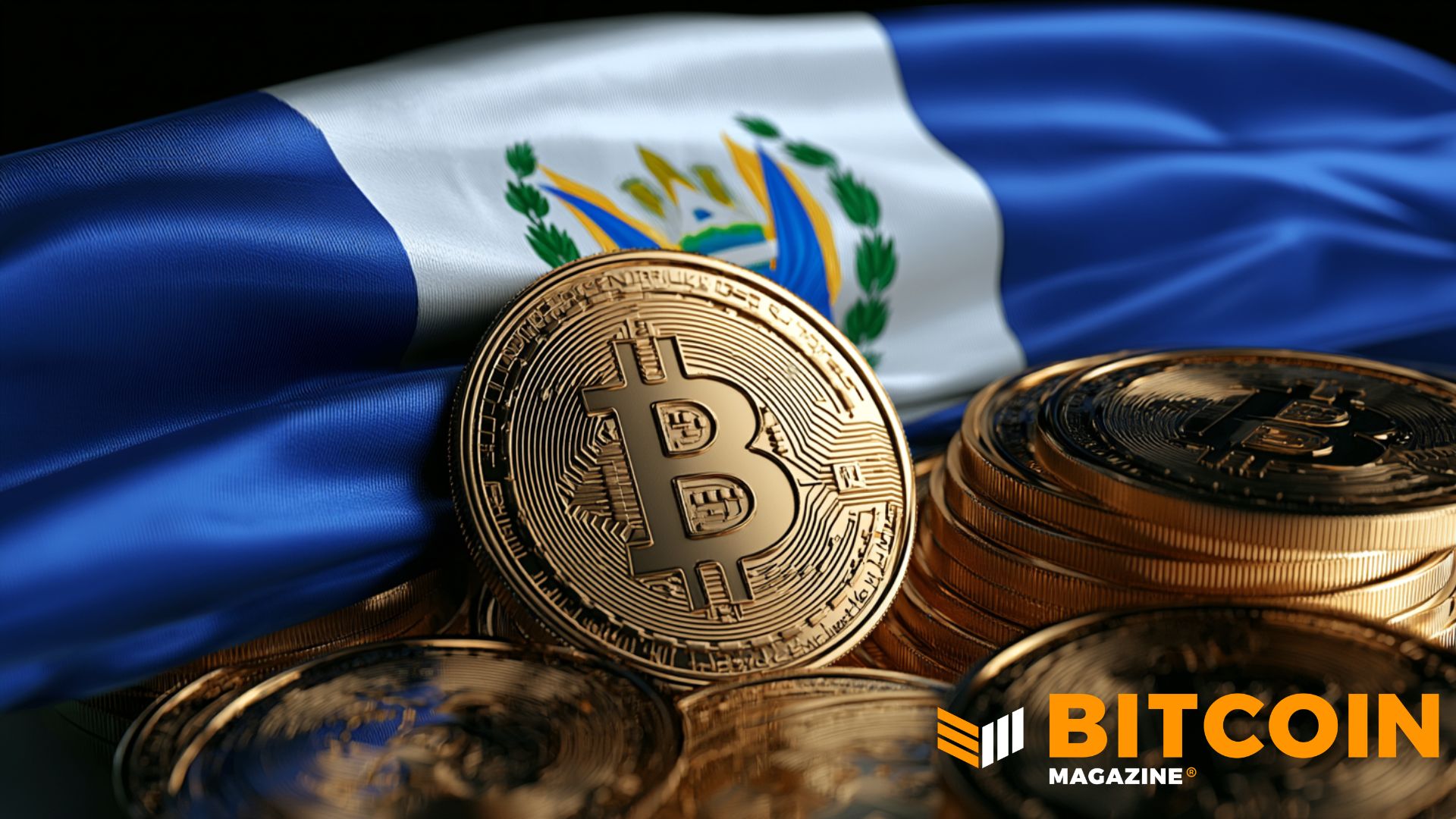
Five years ago, on June 8, 2021, El Salvador made history by becoming the first nation globally to pass a Bitcoin Law, granting bitcoin legal tender status through a congressional vote of 62-to-22.
This landmark decision positioned the small Central American country at the forefront of digital currency adoption.
Half a decade later, as of June 8, 2026, El Salvador’s government holds a substantial treasury of 7,677 BTC, currently valued at approximately $480 million, and continues its accumulation strategy.
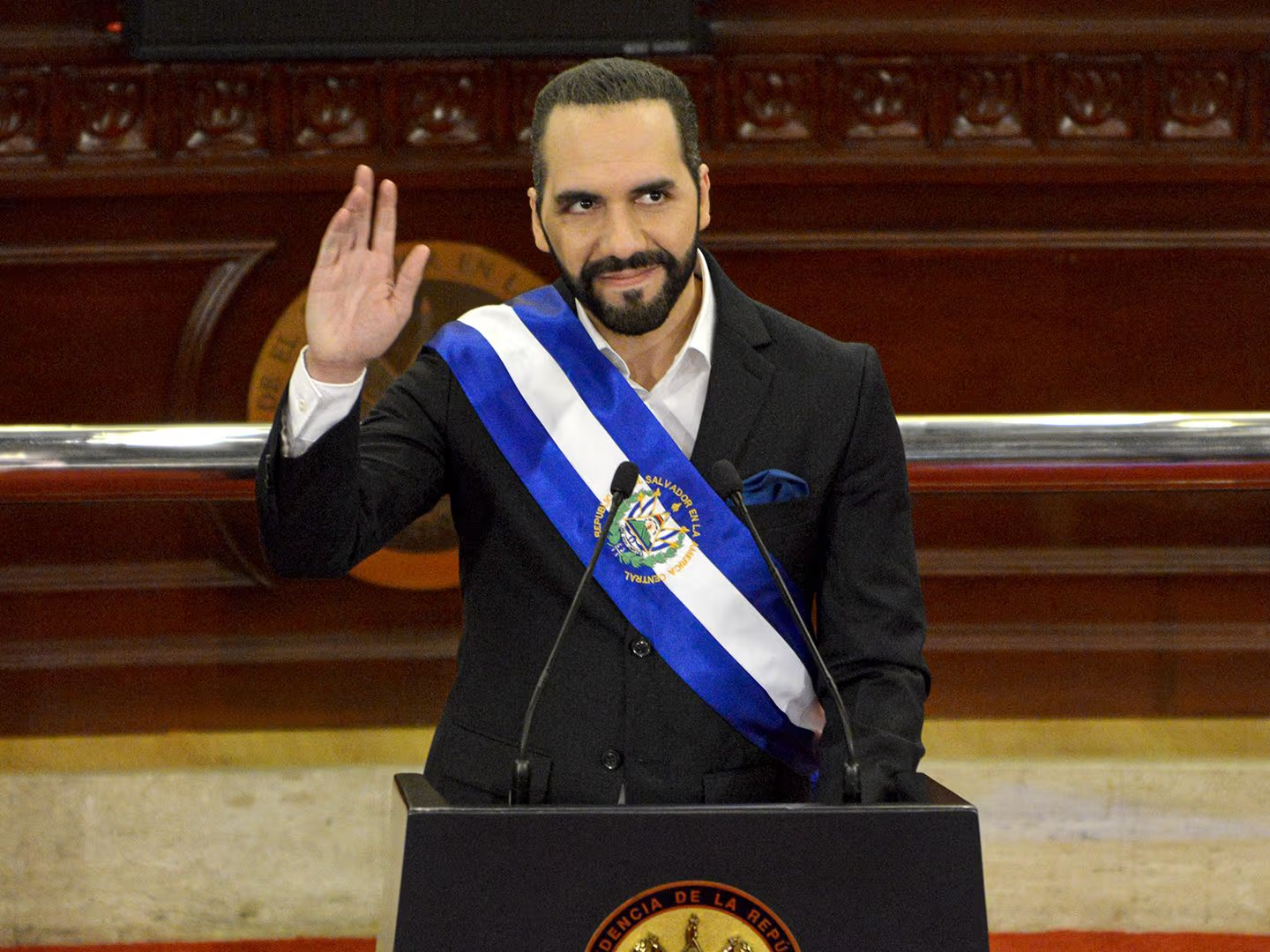
President Nayib Bukele initiated a dollar-cost averaging policy in November 2022, committing to purchasing one bitcoin daily.
This consistent approach, combined with strategic buying during market dips, including a notable acquisition of over 1,000 BTC in a single week in November has led to the addition of more than 1,600 BTC to its stack within the 12 months since June 2025.
Despite a significant policy reversal in January 2025, the country's commitment to bitcoin remains evident.
As a condition for a $1.4 billion IMF loan package, Bukele’s administration removed bitcoin's mandatory legal tender status.
Consequently, businesses are no longer legally required to accept it, and the government-issued Chivo wallet, once central to Bukele’s vision, is being phased out.
However, the government has steadfastly refused to sell any bitcoin from its treasury, and the cryptocurrency can still be freely used as a currency by those who choose to do so.
El Salvador is actively courting foreign investors, doubling down on its policy of offering no capital gains tax on bitcoin or other cryptocurrency transactions in early 2026.
Furthermore, the nation is pursuing ambitious projects, including the development of a "Volcano Bond," which would be backed by bitcoin, and the conceptualization of a "Bitcoin City," designed to be powered entirely by geothermal energy.
While the initial economic argument for the Bitcoin Law heavily relied on facilitating remittances—a crucial aspect for El Salvador, one of the world's most remittance-dependent economies.
The personal transfers from abroad account for roughly24 percent of GDP, and this use case has yet to materialize at scale.
In Q1 2026, total remittances amounted to $2.43 billion, yet crypto transactions constituted only a minor fraction of this, totaling $17.38 million, or just 0.71 percent of the total.