Edo Government’s One-Week Ultimatum to Ex-Deputy Governor
Edo State has given former deputy governor Omobayo Marvellous Godwins seven days to return state vehicles, documents and other assets, or face police action. Read the facts, legal context, political background and what to expect next.
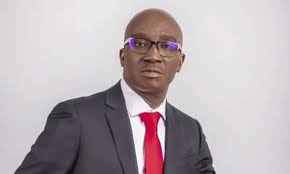
On 28 to 29 October 2025, the Edo State Government publicly gave former deputy governor Omobayo Marvellous Godwins (often reported as Godwins Omobayo) seven days to return all state property in his possession, or face police action to recover the assets. The directive was issued in a statement by the governor’s office and signed off by the governor’s spokesperson, and it has since been picked up by national news outlets.
Below is a clear explainer covering the facts, the legal and political context, the former deputy-governor’s background, and what to watch next.
What the government said
Edo Governor, Monday Okpebholo’s administration, through Chief Press Secretary Fred Itua said several official items assigned to Omobayo during his tenure were not surrendered despite “formal reminders.” The items reportedly include vehicles, documents and “other state-owned assets.”
The statement calls the continued retention of such property “a clear breach of public trust and unlawful possession of state assets,” and gives Omobayo seven days to return the property to the Office of the Secretary to the State Government. If he fails to comply, the government said it would instruct the Edo State Commissioner of Police to effect his arrest and recover the assets “through lawful means” according to Premium Times.
The Ex Deputy-Governor, Omobayo has responded:reporting outlets says he told journalists the issue is before a competent court and that he had received his entitlements (including his November salary). In short, he says there is a legal process underway and has pushed back against the government’s public ultimatum.
Who is Omobayo Marvellous Godwins?
Incase you do not really know him, here is an overview of the Ex-Governor who served after.

Age & education: Born 19 July 1986 (reports list him as 37–38 at appointment), Omobayo is an engineer with a B.Eng in Electrical & Electronics Engineering from the University of Benin and an MSc in Public Administration.
Political rise: He was sworn in as Edo State Deputy Governor on 8 April 2024 following the impeachment of the previous deputy governor, Philip Shaibu. Omobayo was Governor Godwin Obaseki’s nominee and served during a politically turbulent period in the state.
Profile in public life: Before the appointment he worked as an engineer and had been active in local politics. His short tenure was marked by the broader factional battles and party realignments that shaped Edo State politics in 2023–2024.
Why the government acted, stated rationale and legal basis
The administration frames the action as accountability and protection of public property. Public officers are expected to surrender state-owned assets (vehicles, files, equipment) when they leave office; failure to do so can constitute unlawful possession of public property under Nigeria’s laws and state codes. The Edo statement explicitly warned that retention of state property is a breach of public trust. The government also signalled due-process: it warned of police intervention only if Omobayo refused to comply within seven days — a move framed as recovery, not summary punishment. Premium Times and The Nation quoted the statement line-for-line. (Premium Times Nigeria)
Political context
This ultimatum arrives against a background of political tension in Edo State:
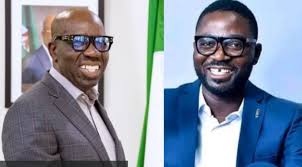
Omobayo was appointed after the impeachment of Philip Shaibu, a sign of deep rifts within the state executive and shifting party loyalties under the late Obaseki administration and into the current Okpebholo government. Media reports and opposition party statements have accused the present administration of “dismantling” elements of the previous government’s structure.
The PDP (formerly in power in Edo) has publicly criticized some actions of Governor Okpebholo’s administration as politically motivated. That makes any move against a former official politically sensitive and likely to generate pushback from Obaseki supporters.
Put bluntly: actions framed as accountability may also deepen perceptions of political vendetta unless handled transparently and within clear legal processes.
Legal risks and procedural questions
Procedural fairness: The key legal questions are whether the government had followed internal administrative recovery processes (inventories, formal demand letters, audits) before public ultimatum and threat of arrest, and whether Omobayo has a pending court order or litigation that restricts such action (he said the matter is before a court). Premium Times reported the government said “formal reminders” were sent; Omobayo says the court is seised. These two claims will need to be reconciled in court or via official records.
Evidence & inventory: To lawfully seize assets, the government must demonstrate ownership via procurement records, assignment documents, handover notes and inventories. Publicly naming items (e.g., vehicle registration numbers) would strengthen the government’s case and reduce accusations of arbitrariness.
Police involvement: The statement threatens police action only after the deadline. Police recovery of property involves both civil and criminal elements, an outright arrest would usually require a prima facie case of criminality; otherwise, civil recovery and asset-return procedures are typical.
What to watch next
Seven-day window: The immediate question is whether Omobayo will surrender the items within seven days. If he does, the matter may be quietly closed.
Court filings: If Omobayo’s claim that the issue is before a court is true, expect legal filings or an interim injunction to block police intervention; check Federal High Court or Edo State courts for notices.
Police action / recovery: If the deadline lapses without compliance and no court bar exists, the government says it will instruct the police to recover assets, which could escalate into arrests or legal proceedings.
Political fallout: Opposition parties and supporters of the former administration may frame this as political persecution; that narrative is likely unless the government produces transparent inventories and due process records.
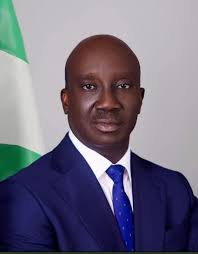
Present Governor of Edo State, Sen. Monday Okpebholo. Source: Google The Bottom line
The government’s obligation to protect public assets is legitimate. Public officers must account for/state property upon leaving office. At the same time, in a politically charged environment, transparency is critical: if the government can produce clear inventories, formal demand records and a lawful pathway to recovery, its action will read as accountability. If not, critics will interpret it as punitive politics.
For readers: watch official court records and follow-up statements from the Edo State Government and Omobayo’s legal team. Both sides must document their claims in court or via public records for the truth to be established.