Ebola Is Not the Only Virus Spreading in Congo
Ebola outbreaks in Congo are being worsened not just by the virus but by misinformation, mistrust, and attacks on health facilities, exposing the deadly cost of poor government communication and weak community sensitization.

When the Government Fails to Communicate, Communities Attack the People Trying to Save Them
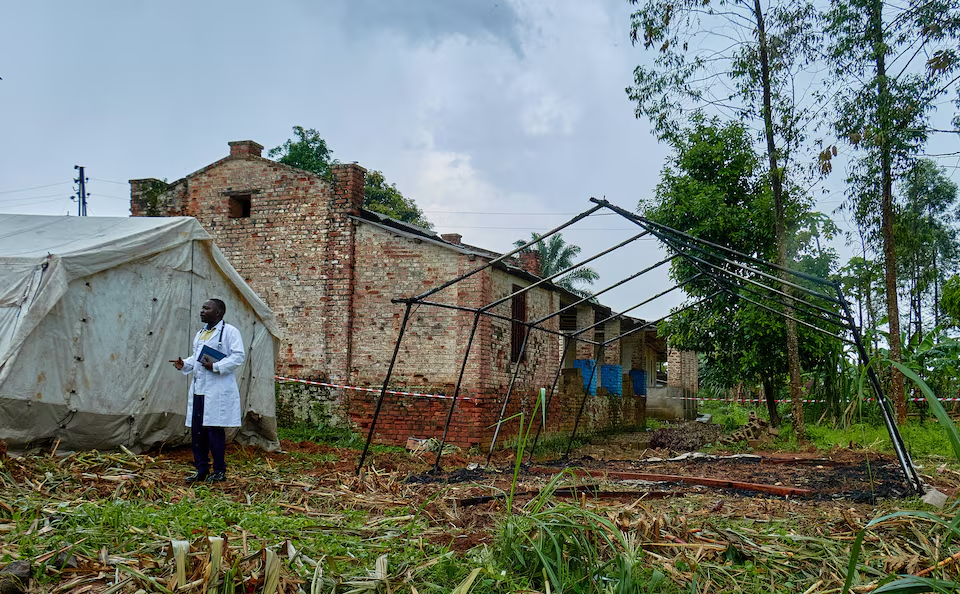
In Mongbwalu, a town in Congo's Ituri province, a tent set up by Doctors Without Borders to treat Ebola patients was set on fire by angry residents. Eighteen people with suspected Ebola infections ran out into the community.
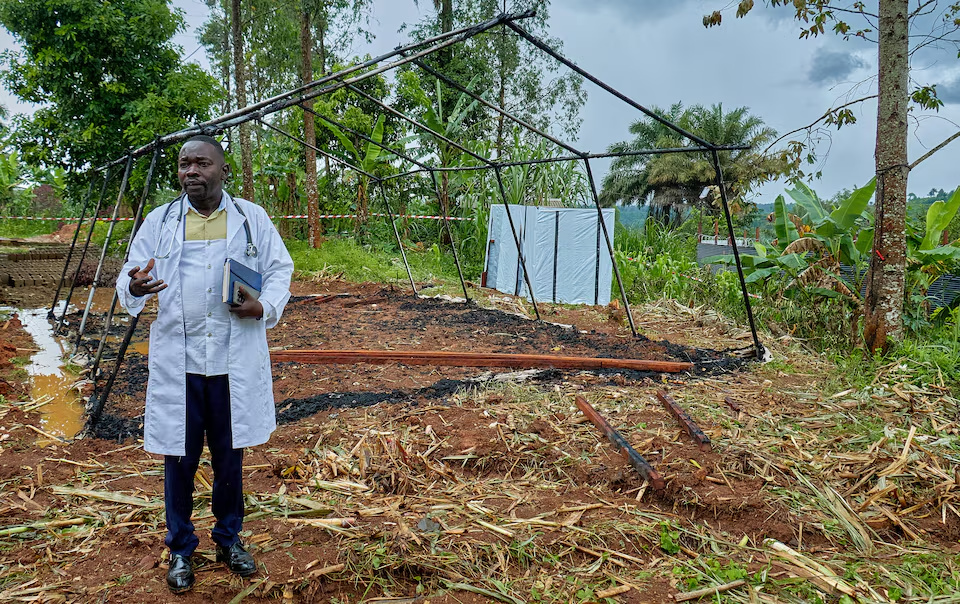
Nobody knows where they are. That sentence alone should terrify you — not because of what it says about the virus, but because of what it says about what happens when a government lets a public health crisis outpace public understanding.
This is what misinformation costs in real terms. Burning hospitals, escaped patients and an outbreak that had a chance at containment, now running loose in communities that do not believe it exists.
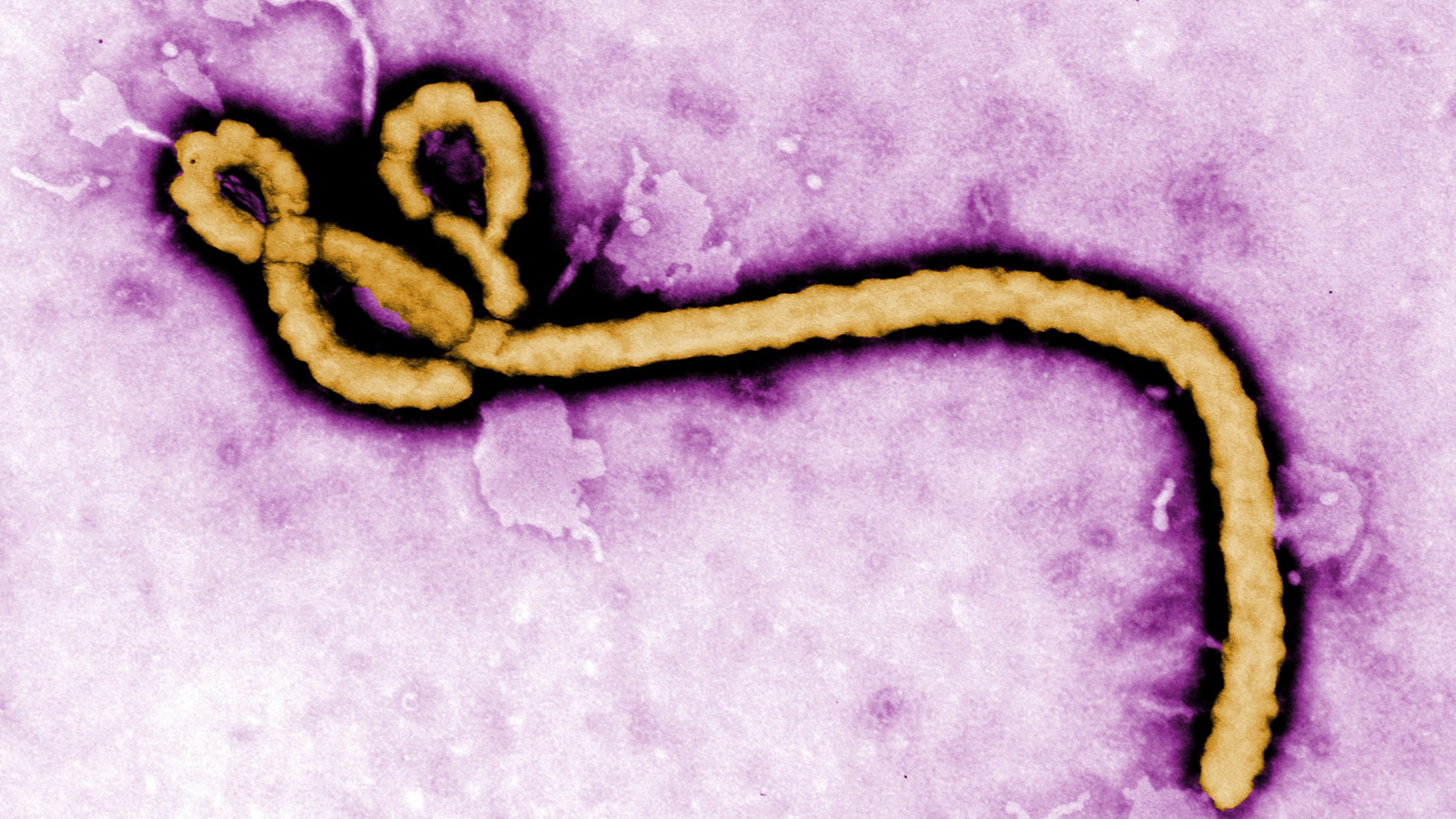
The Ebola Outbreak in Congo: What Is Actually Happening
The current Ebola outbreak in the Democratic Republic of Congo is caused by the Bundibugyo strain, a rare type with no approved vaccine and no specific treatment.
It was first detected in Ituri province, spread undetected for weeks while health authorities were testing for a more common strain, and has now crossed into North Kivu, South Kivu, and neighbouring Uganda, where seven confirmed cases have already been recorded.
As of late May 2026, Congo has nearly 800 suspected cases and over 177 suspected deaths.
Those numbers are terrifying and what makes them worse is that the response has been actively sabotaged, not by armed militia alone, but by ordinary people who are convinced the whole thing is a lie.
At the Mongbwalu General Referral Hospital, angry young people mobilised by relatives of a Christian religious leader who died of Ebola launched four consecutive waves of attackson a Sunday.
Seven patients escaped. One patient, critically ill and hemorrhaging, died trying to flee from his bed during the second wave. In the town of Rwampara, a health centre was stormed by residents demanding the bodies of their dead back for burial.
These are the consequences of an information vacuum that the Congolese government has repeatedly failed to fill.
When People Do Not Trust the System, They Burn It Down
The DRC Ebola misinformation crisis did not start in 2026. During the 2018–2020 outbreak in eastern Congo, which remains the second-deadliest Ebola epidemic on record, violence against health facilities was widespread.
More than 25 health workers were killed. The pattern is the same now because the structural failure is the same.
Communities that have felt neglected for decades, suddenly flooded with foreign doctors, money, and rules they do not understand.
When people are not told why they cannot bury their dead, they do not assume there is a medical reason. They assume someone is stealing the bodies.
When they are not told what Ebola is, why isolation is necessary, or what treatment actually looks like, they assume the health centres are where people go to die, or worse, to be killed.
That assumption becomes a rumour. That rumour becomes a crowd. That crowd burns a hospital.
A doctor working at one of the affected hospitals said there is denial of the disease within the population, with some community members wanting to reclaim the bodies of suspected and confirmed cases.
This is ignorance as a policy failure.
Why Community Sensitization Is Not Optional — It Is the Strategy

No government can fight an epidemic in communities that are fighting back. Congo's government, alongside the World Health Organization, has introduced restrictions on public gatherings, suspended wake services and banned the movement of bodies between locations.
However, such restrictions in place without an explanation breed resistance. Rules without trust breed rebellion.
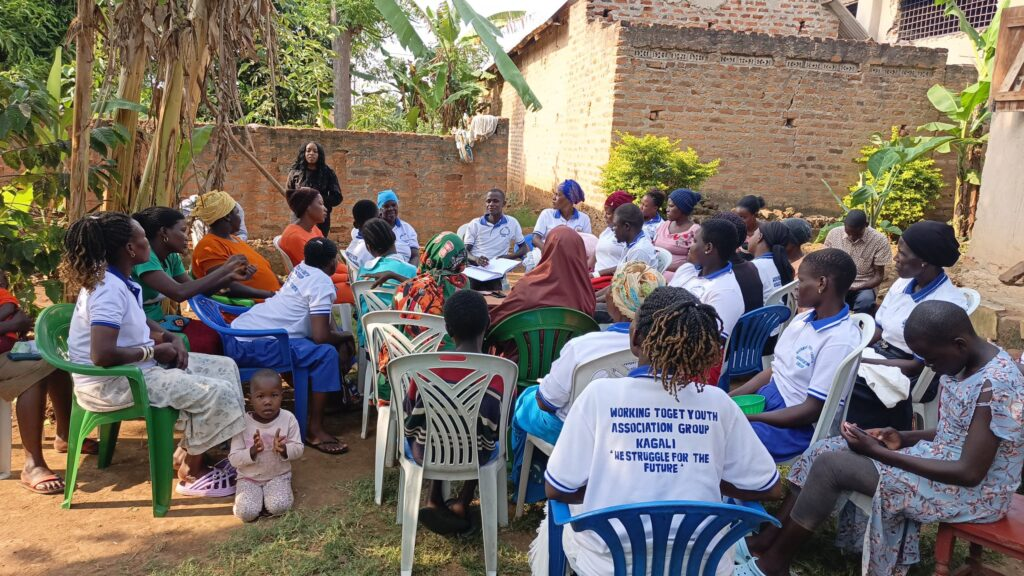
Effective disease outbreak communication requires more than press releases. It requires localised, trusted messengers like community elders, religious leaders, local radio stations, market traders, people whose voices basically carry weight before a foreign doctor in PPE shows up.
It requires explaining, in plain language, why bodies must be buried a certain way, what isolation actually means, what the treatment process looks like, and what happens after. It requires addressing rumours in real time, directly, without condescension.
The WHO has already warned against misinformation circulating on social media and the internet fuelling fear and mistrust toward health facilities. But that warning, like most warnings, came after the fire was already lit.
The Cost of Silence
Every patient who flees a treatment centre becomes a vector. Every facility that gets attacked loses days of work, staff confidence, and community goodwill that takes weeks to rebuild.
The Ebola response in Congo is being dismantled by a failure of political will to communicate.
Governments that invest in community health education before a crisis are being strategic. Because when an outbreak hits a community that already understands disease transmission, isolation, and safe burials, the response is cooperation, not fire.
Congo is burning hospitals it desperately needs and that is what happens when the people in charge of public health treat communication as an afterthought, and then act surprised when the public stops listening.