DRC Throws Into Turmoil: Ex-President Kabila Takes Charge of M23-Linked Rebel Coalition
Former DR Congo President Joseph Kabila has been named leader of a new rebel coalition, the Front for the Refoundation of the Nation (FRN), aiming to remove President Félix Tshisekedi's government. This development intensifies concerns over the long-running conflict in the country's eastern region and signals a significant shift in its political landscape. M23 commander Sultani Makenga is among the coalition's deputies, raising questions about Kabila's direct influence on military operations.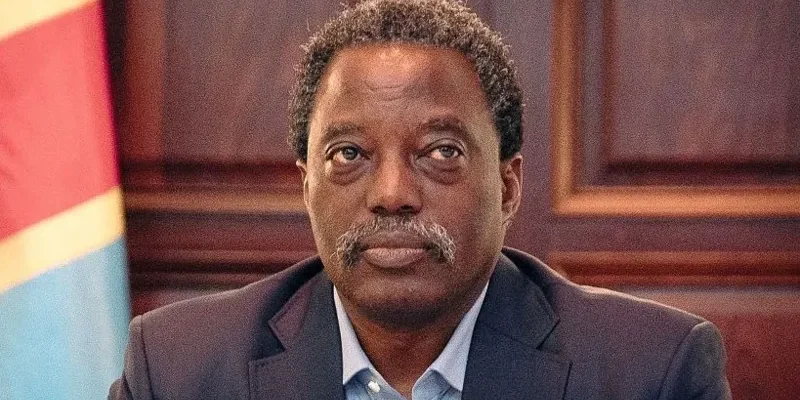
The Democratic Republic of Congo (DR Congo) faces heightened political and security concerns following the announcement of a new rebel coalition, the Front for the Refoundation of the Nation (FRN), reportedly led by former President Joseph Kabila. The FRN, unveiled in Goma on Monday, October 12, 2026, aims to remove President Félix Tshisekedi’s government, pledging to achieve its objectives “by all means, including force” to end what it describes as “tyranny” in the country. This development marks the clearest indication yet of Kabila's direct involvement in an armed political movement, a year after he was sentenced to death in absentia for treason, a charge he previously denied in relation to the M23 group.
The leadership of the FRN was announced by coalition adviser Claude Ibalanky at a press conference, with video evidence showing Kabila signing documents alongside other prominent figures. Under the new structure, Kabila assumes the presidency of the coalition. Notably, M23 military commander Sultani Makenga has been named one of Kabila’s four deputies, retaining a senior military role within the FRN. The other three deputies also hail from the AFC-M23 alliance, which gained control of significant parts of eastern DR Congo last year. Corneille Nangaa and Bertrand Bisimwa will serve as vice-presidents, further solidifying the coalition's composition.
This formation comes days after Kabila, 55, delivered an address outlining how Congolese citizens should act to “rescue” their country. He has increasingly criticized his successor's administration, accusing Tshisekedi of ignoring proposals made last year to end the conflict in eastern DR Congo. Kabila further alleged that the government has undermined constitutional rule, mismanaged the economy, failed to improve security, and subjected political opponents and military officers to arbitrary arrests. The Congolese government has yet to publicly comment on the coalition's formation or Kabila's allegations.
Joseph Kabila governed DR Congo from 2001 until January 2019, when Félix Tshisekedi took office following a disputed election. An initial informal power-sharing arrangement between the two leaders eventually dissolved. Kabila went into self-imposed exile in 2023 before returning to Goma last year, subsequently intensifying his criticisms of the current administration.
The emergence of the FRN introduces another complex layer to the long-standing conflict in eastern DR Congo, a mineral-rich region plagued by decades of fighting among various armed groups vying for control of territory and valuable resources. While the coalition seeks to challenge Tshisekedi’s administration and raises fresh concerns about peace negotiations and stability in the Great Lakes region, it remains uncertain whether Kabila's reported appointment grants him direct command over M23’s military operations.