Digital Dustbin: Study Reveals NFT Market Has Collapsed with Tokens Below JPEG Value!
The Non-Fungible Token (NFT) market has suffered a dramatic collapse, with studies revealing that 95% of digital collectibles may now be worthless. This downturn follows a period of intense hype and multi-million dollar sales, now plagued by widespread devaluation, speculative pricing, and a concerning lack of new interest. Compounding the market's woes are various prevalent scams, highlighting the significant risks for investors.
The explosive growth of NFTs (Non-Fungible Tokens) during 2021–2022 captured global attention.
These unique digital collectibles, often tied to the Ethereum blockchain, reached unprecedented highs in trading volume, with iconic collections like Bored Ape Yacht Cluband CryptoPunks selling for millions.
Celebrity investors, including Stephen Curry and Snoop Dogg, further fueled the hype.
However, the collapse of the broader cryptocurrency market in 2022, with Bitcoin falling to around $27,000 and Ethereum near $1,630, marked the beginning of NFT market decline.
A report by Insider highlighted that 95% of NFTs are now considered worthless, leaving over 23 million holders with essentially valueless assets.
Questionable Value and Market Risks
The NFT market remains riddled with speculative pricing and questionable collections. Some high-profile examples include Melania Trump’s “Man on the Moon” NFT, which violated NASA rules and sold minimally, and Canon’s planned NFT photos via Cadabra, which has yet to launch.
Major companies like Meta abandoned NFT initiatives in 2023 after testing them in their metaverse plans, reflecting the sector’s unsustainable nature.
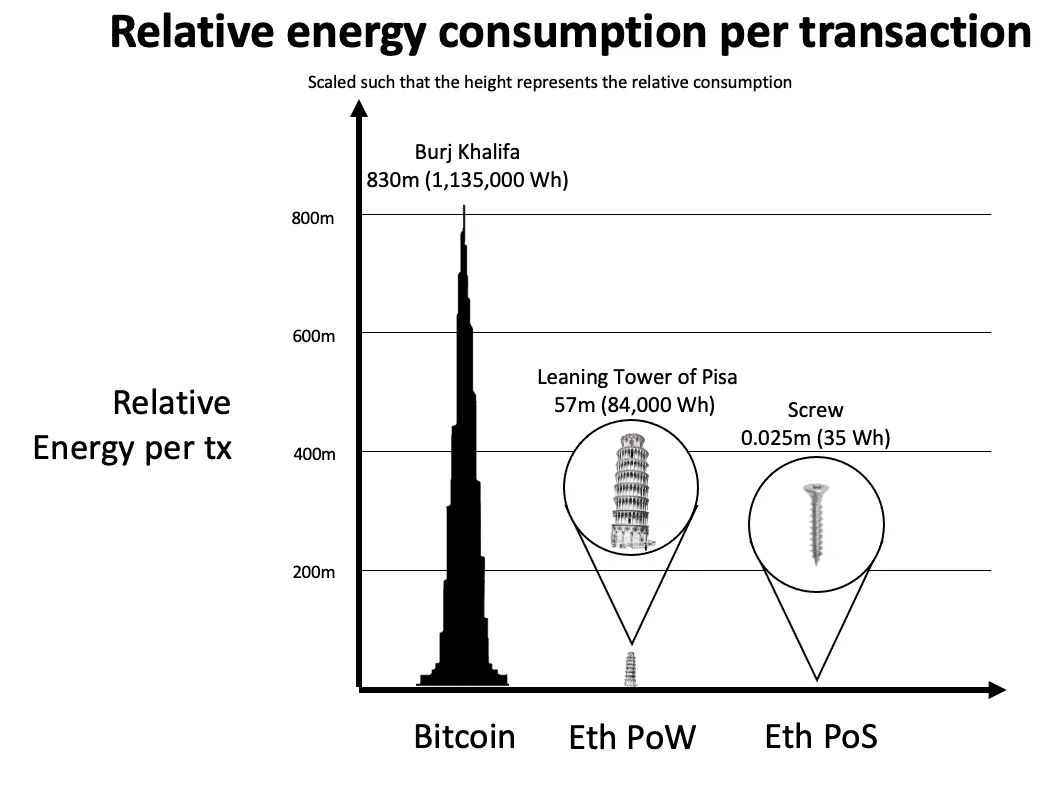
Beyond financial losses, NFTs have a significant environmental impact, as minting these tokens consumes enormous amounts of energy, often from fossil fuels.
As a result, both economic and ecological risks have contributed to waning interest and declining market participation.
NFT Scams and Fraudulent Practices
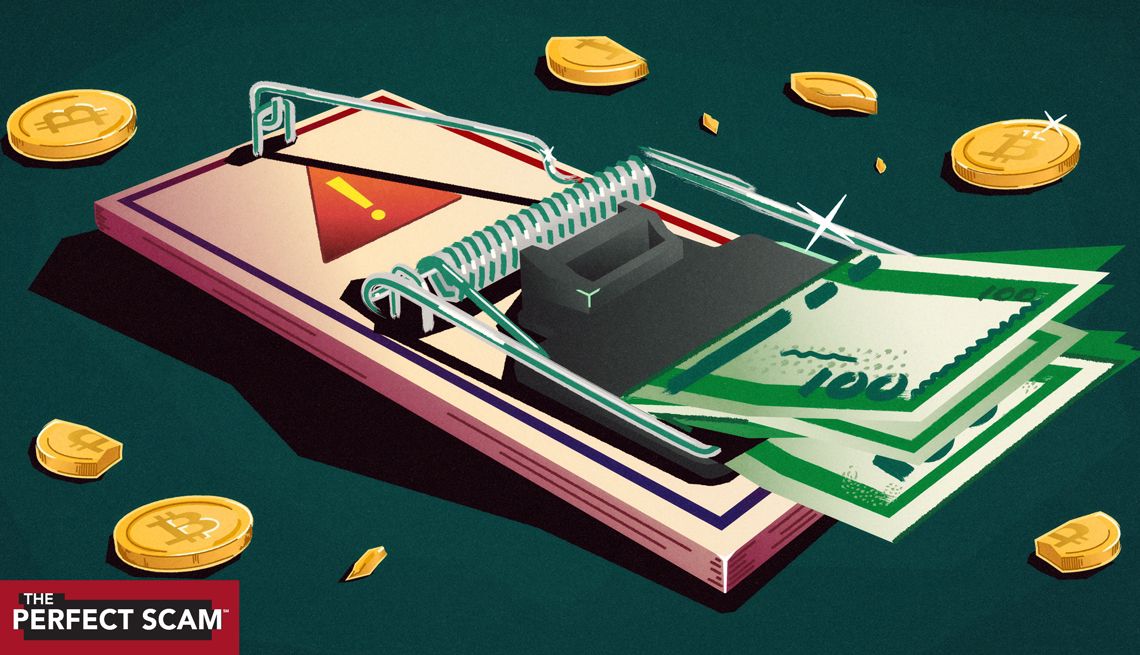
The NFT market is increasingly vulnerable to scams, including:
• Fake Sales: Bogus listings for non-existent NFTs.
• Phishing Websites: Sites impersonating marketplaces to steal wallets.
Latest Tech News
Decode Africa's Digital Transformation
From Startups to Fintech Hubs - We Cover It All.
• Stolen Digital Art: Illegally minted NFTs sold as originals.
• Pump and Dump Schemes: Price manipulation by coordinated groups.
• Rug Pulls: Exploitation of smart contract vulnerabilities.
• Impersonation Scams: Fraudsters posing as celebrities or artists.
• Fake Projects: Copycat initiatives that mislead investors.

These issues underscore the extreme volatility and risk in the NFT market, highlighting the need for caution among collectors and investors.
For those considering entering the space, awareness of scams and understanding the lack of intrinsic value in many NFTs is essential.