Digital Dependency: When Screen Time Replaces Self-Worth
This article explores how digital dependency is shaping self-worth among African youth, where likes, views, and online validation often replace real-world confidence. It unpacks the mental toll of screen addiction, content fatigue, and the quiet need to reclaim identity beyond algorithms.
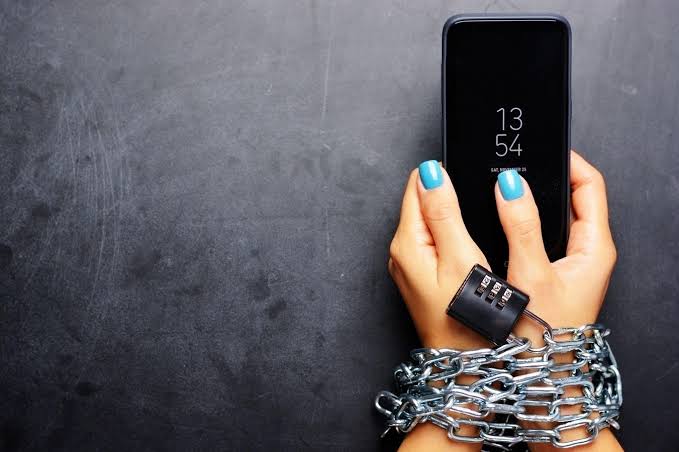
INTRODUCTION: The Mirror Has a Backlight Now
You wake up, still groggy, sunlight barely breaking through the curtains. But before your feet touch the floor or before checking if you can still speak, your hand reaches for it—your phone. Notifications flash like tiny affirmations. A like here, a retweet there, maybe a comment that makes you feel seen. You haven’t brushed your teeth, but you’ve already checked your worth.
“This is the new ritual”.
In an age where identity is increasingly curated online, our screens have become more than just tools—they’re mirrors. Mirrors that don’t reflect who we are, but how the world sees us. And when those reflections go silent—when a post underperforms or a story goes unseen—we start to question our value.
So, we must ask: Have our phones become the new mirrors we measure ourselves by?
And if so, what happens when the screen goes black?
DEFINING DIGITAL DEPENDENCY
Digital dependency isn’t just about the hours we spend scrolling on our phones. It is even deeper, it’s the emotional attachment we form with the glowing rectangle in our palms. It needs that ping of a message to feel relevant. It’s checking your phone mid-conversation, mid-meal, mid-silence, just in case someone, somewhere, validated your existence.
Unlike traditional addiction, digital dependency often disguises itself as “connection” or “productivity.” But beneath the convenience is a psychological loop: scroll, react, compare, repeat. The Dopamine hits are subtle but constant. And over time, our sense of self becomes tied to screen-based feedback.
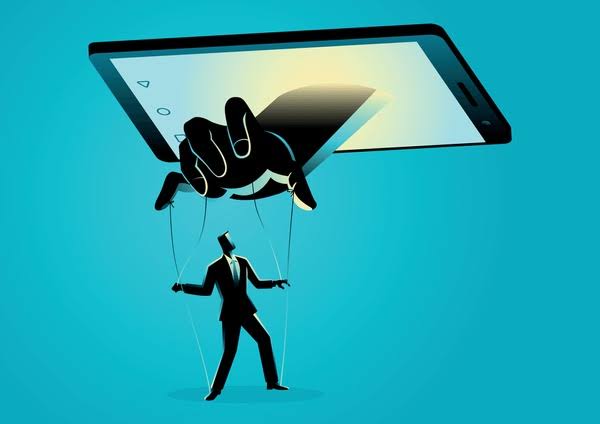
Photo Credit: Shutterstock
According to DataReportal's 2024 Global Digital Report, Africans spend an average of over 3 hours daily on social media, with platforms like WhatsApp, TikTok, Instagram, X (formerly Twitter), and YouTube dominating usage. For many, these apps aren’t just social, they’re emotional lifelines.
We say we’re just checking in. But more often, we’re checking on ourselves, through filters, followers, and feedback loops.
VALIDATION & VIEWS: The New Currency Of Self-worth
In today’s digital ecosystem, likes are the new applause, retweets, the modern-day echo of approval. A single post can become a dopamine jackpot, making you feel seen, validated, and even important.
But when your confidence is tied to algorithms, what happens on days the numbers are silent?
We don’t just post anymore, we perform. We curate highlight reels, perfect captions, and soft-light selfies. Because somewhere between staying connected and being consumed, social media taught us that being seen is more valuable than just being understood.
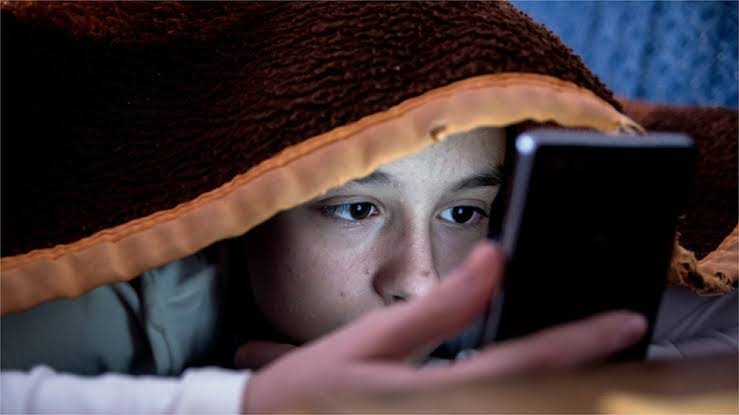
Photo Credit: Google Image
FOMO—the fear of missing out—keeps us watching other people’s lives while questioning the quality of our own. Every scroll invites silent comparison: their glow-up, their engagement, their success. And because most timelines only show wins, it becomes easy to measure our worth by someone else’s filtered feed.

YOUTH & THE MENTAL HEALTH COST
For many young Africans, especially Gen Z, the internet isn’t a tool; it’s a habitat. From school group chats to side hustles, identity discovery to entertainment, their lives unfold online. But with that digital immersion comes an invisible weight: a constant need to be seen, liked, and approved.
In a space where attention equals affirmation, many begin to equate existence with engagement. When a post flops, it feels personal. When someone unfollows, it stings deeper than it should. When others glow up online, the mirror reflects inadequacy.
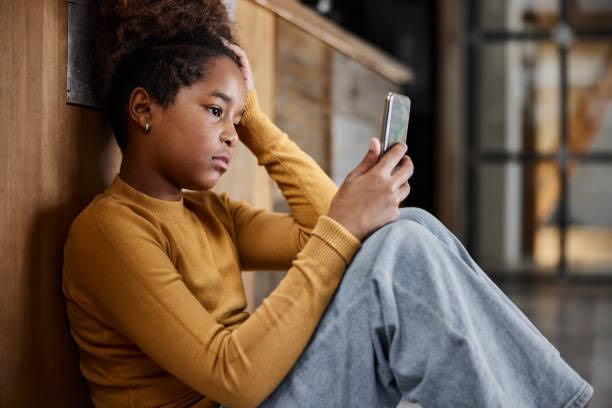
Photo Credit: Istockphoto
Studies are ringing the alarm.
According to a 2022 UNICEF report, African adolescents increasingly show signs of digital stress, with elevated anxiety and depressive symptoms linked to excessive screen use. The World Health Organization (WHO) also reports that one in seven adolescents globally experiences mental health disorders, and the digital environment is a growing contributor.
These data add up cumulatively to see effects of strained sleep, distorted body image (especially on platforms like Instagram and TikTok), and a growing sense of isolation, even in hyper-connected spaces.
Because while the Internet connects us to everyone, it can sometimes disconnect us from ourselves.
CONTENT FATIGUE: ALWAYS ONLINE, RARELY PRESENT
At first, it was fun—sharing updates, curating aesthetics, building an online presence. But now? It’s a cycle. Scroll. Post. Repeat. A never-ending performance in front of an invisible audience.
Many young Africans, from everyday users to influencers, are experiencing content fatigue—a quiet, creeping burnout from the pressure to always be seen, always say something, always exist digitally.
The timelines are loud. The trends shift daily. And between trying to project success, aesthetic, wellness, or “soft life” goals, many are silently exhausted.
Even influencers those whose livelihoods depend on online visibility, confess that the pressure to stay relevant often dulls creativity and drains joy. It’s not just about being online; it’s about being liked, shared, and reposted. Anything less feels like failure.
And it’s not just them. Everyday users are swept into the same rhythm, measuring life in highlights, curating instead of connecting, chasing algorithmic affection while losing the ability to just be without performing.
Beneath the filters and the hustle, begs the question: If you're not posting, do you still matter?
Because in a world where staying visible feels like survival, being present has quietly become a luxury.
WHEN REAL LIFE STARTS TO FEEL BORING
The dopamine hits come fast online—likes, reels, retweets, endless scrolls of curated beauty and brilliance. But then you log off… and silence feels awkward. Reality feels slow. Even joy starts to feel uneventful if it can’t be filmed or filtered.
For many, especially young Africans growing up digital-first, offline life now plays second fiddle to what’s happening on-screen. A quiet dinner, a walk without music, a heartfelt conversation—if it’s not captured or not “aesthetic,” is it even worth doing?

Photo Credit: Pngtree
This is the trap of performance living: doing things not for experience, but for content. Vacations become photoshoots. Moments become metrics. We start editing life as we live it, subconsciously asking: Will this look good on my Story?
The overstimulation of digital life, constantly scrolling, watching, reacting, reshapes how we perceive the world. Boredom feels unbearable. Silence feels empty. Even peace can feel suspicious when we’ve been conditioned to seek noise.
But in the chase for the next postable moment, we risk missing the unfiltered beauty of real life: the randomness, the awkwardness, the imperfections that never trend but deeply fulfill.
When screens become our main source of excitement, reality starts to fade in comparison.
And slowly, the question becomes: Are we living… or just uploading evidence that we did?
UNPLUGGING WITHOUT LOSING YOURSELF
Breaking yourself out from the grip of digital dependency isn't just about deleting every app and moving to the mountains. It’s about remembering who you are when no one is watching, liking, or sharing.
Digital dependency isn’t just about screen time—it’s about self-worth tied to notifications. So the solution isn’t just unplugging. It’s reconnecting to self, to silence, to substance.
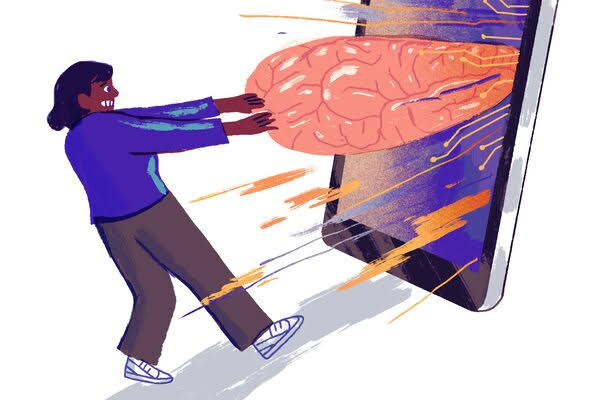
Photo Credit: Google Image.
Start small:
No-scroll mornings: When you wake up, give your brain a moment before the algorithms do.
App timers: set your phone to remind you when enough is enough.
Journaling: not for the ‘Gram, you shouldn't be online every time, take a moment to appreciate the beauty of life, and take down memories.
Offline friendships: Go outside and build genuine friendships with others, the kind that don’t need Wi-Fi to grow.
Find hobbies that exist beyond hashtags: painting, gardening, cooking, walking, praying, dancing, even badly. Anything that reminds you of joy doesn't have to be edited to be real.
And most importantly, rebuild self-worth outside your phone. Through affirmations. Through your faith. Through purpose. Through rest that doesn’t need to be productive to be valid.
Because who you are offline matters more than who the algorithm thinks you should be.
“You are not your follower count. You are not your last post. You are not your screen.”
CONCLUSION: You Are More Than an Algorithm
You are not your views.
Not your likes.
Not the reel that didn’t go viral.
Not the DM that never came.
We’ve spent so long measuring our worth through metrics that were never built to hold our humanity. In chasing digital approval, we risk forgetting the quiet, sacred things that once made us feel whole.
But here’s the truth:
You are still valuable, even when your phone is off.
Your laughter, your kindness, your growth—none of these needs the Internet to be validated.
So reclaim your focus. Reclaim your peace.
Take back your attention from timelines that rarely nourish and notifications that barely know you.
Because at the end of the day, the screen would surely dim
and the algorithm would reset
A dead phone shouldn't mean a dead sense of self. Log out, look within—you’re still there.