DeFi in Africa's FinTech: Unlocking a New Era of Financial Inclusion.
Africa’s next financial revolution won’t come from banks, it’ll come from code. As Decentralized Finance (DeFi) quietly reshapes how money moves, saves, and grows, the continent stands on the brink of something extraordinary.
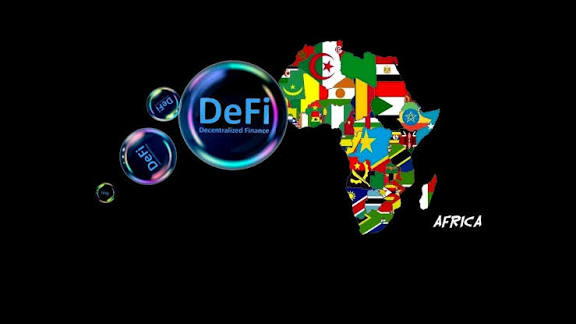
Africa is standing at a rare and powerful moment in its financial story. A continent of over a billion people, many still unbanked, many more underserved, yet buzzing with ideas, mobile phones, and ambition. For years, traditional banks built walls. Now, a revolution is building bridges.
This revolution is called Decentralized Finance, or DeFi for short and it is changing the rules of money.
DeFi is a financial world powered by blockchain, with no middlemen, paperwork, or gatekeepers. With a smartphone and internet access, one can save, borrow, invest, or send money across borders. No branches. No queues. No barriers.
The African Opportunity: DeFi Matters Here More Than Anywhere Else
For years, the promise of financial inclusion in Africa has been slowed by the reality of high transaction costs, sluggish cross-border transfers, rigid credit systems, and a deep mistrust of traditional institutions.
In many places, the banks never arrived. Only technology did. And that is where DeFi comes in.
DeFi doesn't ask for permission or paperwork, let alone proof of status. It opens the door to all-comers, seamlessly connecting people across borders and handing them tools previously reserved for the privileged few.
That future is not too far away across cities like Nairobi, Lagos, and Accra; it is in the making.
Key Pillars of DeFi's Impact in Africa
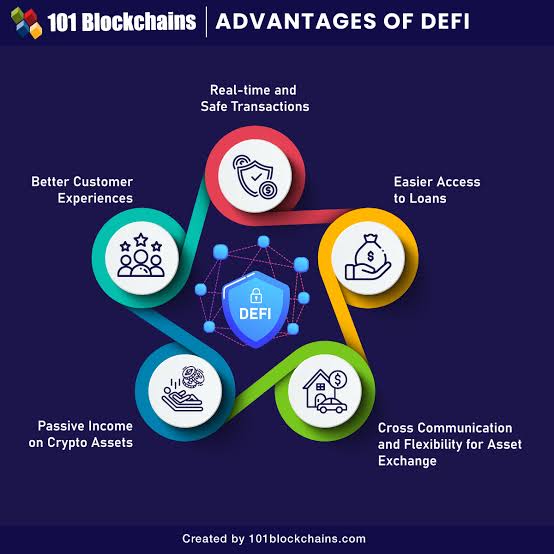
Breaking Down Barriers to Access: At its core, DeFi is about access. People can plug into global finance with just a digital wallet, from the trader in Kumasi to the farmer in Eldoret. One can gain interest, take loans, or invest without ever having to enter a bank.
Take Ejara in Cameroon or Kotani Pay in Kenya, for instance, which are proving that it is possible to bring people who had been locked out into the borderless financial world that finally sees them.
Revolutionizing Remittances: Every year, Africans abroad send more than $95 billion back home. That's money for rent, school fees, and food on the table. But too often, it bleeds away in fees and delays - sometimes losing up to 10% along the way.
DeFi is updating that story. With stablecoins, or digital currencies pegged to the US dollar, money can move from London to Lagos in a matter of minutes, not days. Companies like Yellow Card are making this a reality, cutting out middlemen and letting families take more of what their loved ones worked hard to send.
Safeguarding Savings against Volatility: Saving money, to many millions living in economies dogged by inflation and crashing currencies, might be like trying to hold water in one's hands.
DeFi offers a form of digital safe harbor. By storing or earning yield on stablecoins, Africans can shield their hard-earned savings from local currency swings-and even grow them-without needing a foreign bank account.
Democratizing Credit and Lending: Getting a loan in Africa has always been tough and not to mention, unfair. Banks demand collateral that people don’t have and paperwork slows down everything.

But DeFi has changed the dialogue of the script. With the use of smart contracts, these are automated programs that don't need a bank to approve or enforce them, people can lend and borrow directly from one another.
Some African projects are even exploring new ways to assess creditworthiness using alternative data, like mobile money activity. It is finance, rewritten carefully for real life.
Navigating Hurdles: Road to Adoption
Of course, no revolution comes easy. But so much regulatory uncertainty lingers. Some governments ban crypto altogether; others hesitate, unsure of how to manage it. What is required is not punishment but rather clarity: rules protecting users without choking innovation.
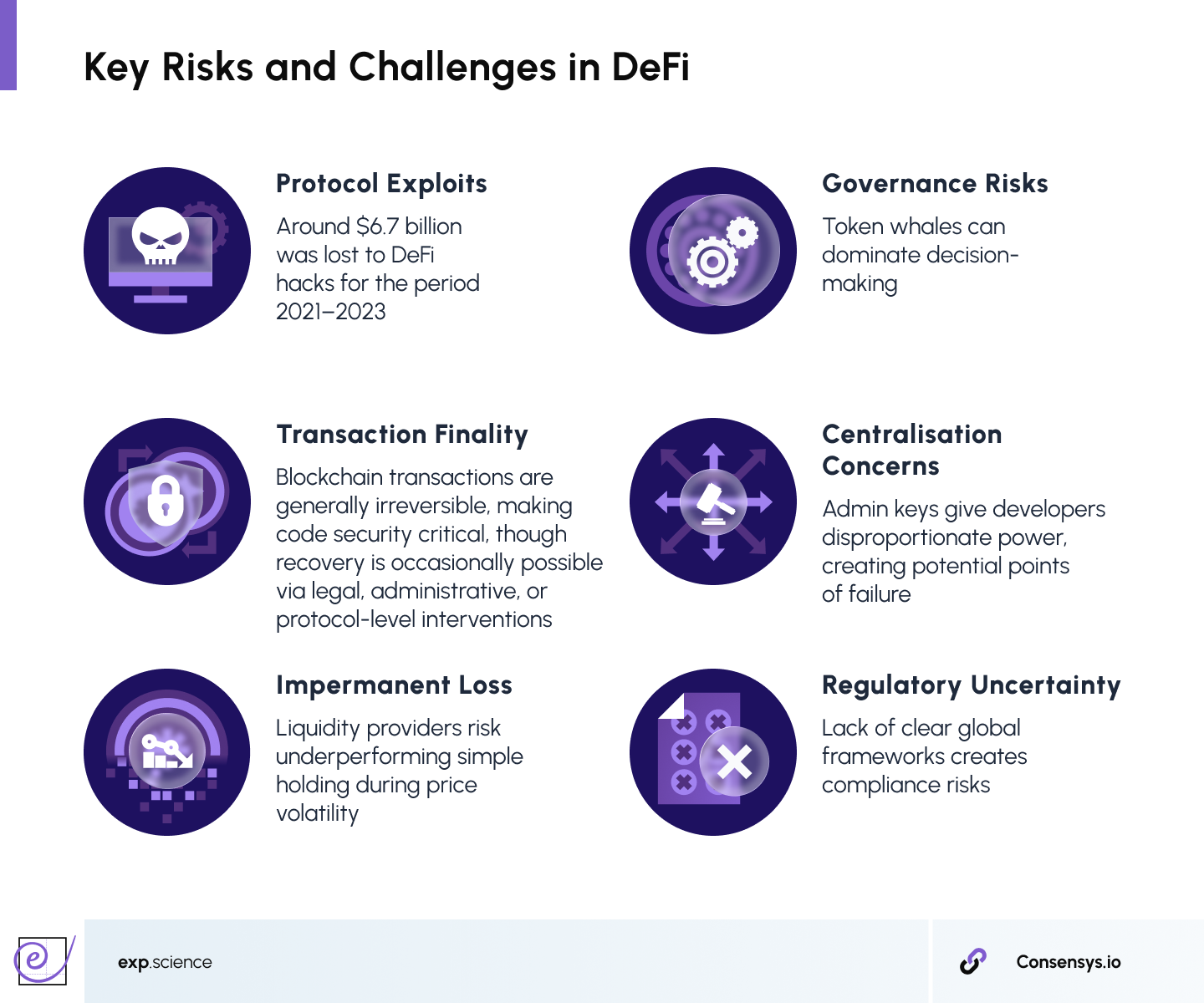
Other realities are infrastructure gaps. A high mobile penetration does not mean fast, affordable internet or stable power-both very vital ingredients for the thriving of DeFi.
And then there is literacy, both digital and financial. Terms like "seed phrase" or "gas fee" can easily confuse even the most tech-savvy. Without proper education, people can easily fall prey to scams or even lose access to their money.
Last but not least, user experience matters. Most of the DeFi apps were built for crypto experts in the West, not everyday Africans; the next wave must be about familiarity in local languages and built in a way that shapes African habits for simplicity.
The Way Forward: Collaboration, Not Competition
The real magic will happen when traditional FinTech and DeFi stop competing but start collaborating. M-Pesa-like mobile money running on decentralized rails; local savings groups using blockchain for transparency and shared growth: that could be the shape of Africa's next decade in finance.
But that's going to take collaboration: governments, startups, blockchain developers, educators, all rowing in the same direction. Because no one can build the future alone. Africa shouldn't aspire to just get onto the DeFi movement rather, it needs to gravitate towards leading it. With the youngest population, unstoppable creativity, and a hunger for better access, the continent has all it takes to show the world what inclusive finance really means.
If the 2010s were Africa's mobile money decade, then the 2020s could be its DeFi revolution, one where financial inclusion stops being a buzzword and becomes a lived reality for millions.