Decoding the Rise of Africa’s Digital Media Vanguard
They call it a crisis, but a new wave of African journalists is creating a new future. Discover how data, AI, and niche platforms are redefining news.
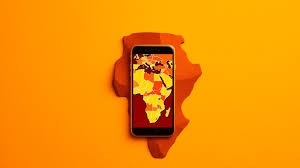
A young journalist in Lagos, armed with little more than a laptop and a smartphone, spots a viral claim about an upcoming election. Instead of pitching the story to a slow-moving newsroom, she uses an AI chatbot to instantly verify the facts and shares her findings with a dedicated following on her X account.
Meanwhile, across the continent, a weekly newspaper arrives not on a doorstep, but as a clickable PDF in a subscriber's WhatsApp chat. This isn’t the collapse of traditional media. This is the rise of Africa’s digital media vanguard. It is a creative and evolving new language of journalism.

SOURCE: IMS
They are moving away from monolithic institutions to create agile, digitally-native, and highly-focused media ventures. By leveraging data-driven approaches, AI for fact-checking and automation, and niche platforms like X, WhatsApp and TikTok, these innovators are building sustainable business models.
They are also reconnecting with audiences in ways that traditional media cannot. It reveals it not as a collapse of the old but as a strategic adaptation to a digital-first environment. It is ultimately reshaping the very definition of journalism and its role in public life across the continent.
Unbundling the Newsroom: AI, Data, and Sustainable Ventures
Young African media creators are leveraging AI, data, and social platforms to create sustainable and impactful news ventures that thrive beyond the traditional newsroom.
They are moving away from the expensive, centralized model of print and broadcast media. Instead, they are building lean, digital-native operations that are more responsive to their audiences.
AI is emerging as a powerful ally in this shift. While many newsrooms are just beginning to explore its potential, some African journalists are already using it for key tasks.
AI helps analyze massive datasets to identify trends and stories that human reporters might miss.

SOURCE: Global Investigative Journalism Network
It is an indispensable tool for data-heavy investigations, allowing journalists to sift through millions of records to uncover what they are "trying to bury," as noted by one media professional. This frees up reporters to focus on the human-centered, creative aspects of storytelling.
These ventures are also building sustainable business models that don’t rely on traditional advertising. Many are funded by a mix of grants, reader donations, and innovative monetization strategies.
Some are launching paid newsletters and offering digital marketing services to small businesses, turning their influence and expertise into diverse revenue streams. Others are monetizing their content directly on platforms like YouTube and through brand partnerships, with platforms like X and TikTok becoming vital tools for brand-building and community engagement.
Platform-Native Journalism: From X to WhatsApp to TikTok
A new wave of platform-native formats is proving most effective in reaching and engaging diverse African audiences, therefore changing the narrative. These formats are designed specifically for the platforms where young Africans spend most of their time, bypassing the need for a traditional website.

SOURCE: Malaymail
A prime example is The Continent, a weekly newspaper distributed as a PDF directly on WhatsApp. This model, pioneered during the pandemic, reached 1,000 subscribers in just 48 hours, proving its ability to achieve virality through a trusted messaging platform,making it more easy.
The format is intentionally designed to be a "newspaper," with catchy headlines and reported pieces, but its distribution is both fast and censorship-resistant. In a media landscape where governments can easily censor print or websites, end-to-end encrypted WhatsApp messages offer a secure channel for sharing independent news.
Another crucial example is the Dubawa AI chatbot. Misinformation is rampant on closed messaging platforms like WhatsApp, where content is shared within private groups and is difficult to monitor.


SOURCE: Dubawa
To counter this, Dubawa, a project of the Centre for Journalism Innovation and Development in Nigeria, launched an AI-powered chatbot that is embedded directly into WhatsApp. Users can forward claims or questions to the bot.
It then provides accurate, real-time responses from verified sources, helping to combat the spread of disinformation where it happens. This tool leverages a large language model (LLM) to understand queries, making it a user-friendly and accessible resource for a wide audience, even those with lower digital literacy.
Other initiatives are following suit, with tools like MyAIFactCheckeralso being developed to aid journalists and citizens in verifying content.
These platform-native approaches are not just about convenience. They are about building community and trust by engaging with audiences on their own terms.
The Future of Journalism: Trust, Sustainability, and a New Definition
The long-term implications of this shift are profound for media sustainability, public trust, and the future of journalism across the continent. This digital vanguard is not only changing how news is created but also how it is valued and sustained.
For media sustainability, the move away from monolithic, high-overhead newsrooms to agile, digital-first ventures presents a viable path forward. The traditional ad-supported model is failing, but these new initiatives are pioneering diverse revenue streams and lean operational structures. This is building a more resilient media ecosystem that is less vulnerable to economic shocks.

SOURCE: Business Times
The impact on public trust is complex. While platforms like X and WhatsApp are primary news sources for a huge majority of young Africans, trust in social media as a news source is still lower than in traditional media.
The rise of AI-powered tools for fact-checking is a direct response to this trust deficit. By providing accessible tools to verify information, these innovators are empowering citizens and helping to restore faith in the media.
Ultimately, this movement is redefining journalism itself. The new generation of African journalists is not just a passive recipient of information.
They are active creators, curators, and community builders. They are using their skills and ingenuity to tell stories that matter to their communities, in formats that are accessible and engaging.
This strategic adaptation to a digital-first environment is not a sign of journalism's collapse. It is a sign of its evolution and resilience. It signals a future where the media is not an institution that speaks to an audience. It is an interactive conversation that shapes a continent.