The Truth About Food Labels and Freshness
Unlock the true meaning behind food expiration dates, which primarily indicate quality, not safety, for most items. Learn how to identify spoiled food using sensory cues and discover practical tips to extend food freshness and ensure safety in your kitchen, from proper refrigeration to smart pantry storage.:max_bytes(150000):strip_icc()/health-GettyImages-1832541647-a0b30cb0ba664e02ae75eda757683e73.jpg)
Food date labels can be confusing, but except for infant formula, they are voluntarily added by manufacturers to show peak quality, not safety.
These dates help consumers know when a product tastes its best, based on scientific testing.
Food labels use different phrases to indicate quality and storage.
“Best By” shows when a product tastes its best. “Use By” marks the last date for peak quality, but isn’t about safety unless it’s infant formula.
“Sell By” helps retailers manage stock, and “Freeze By” tells consumers when to freeze items to preserve quality.
While date labels indicate quality, some foods like milk or lunch meat can still be safe a few days past the “Best By” date.
Frozen foods remain safe indefinitely, though taste and texture may decline over time.
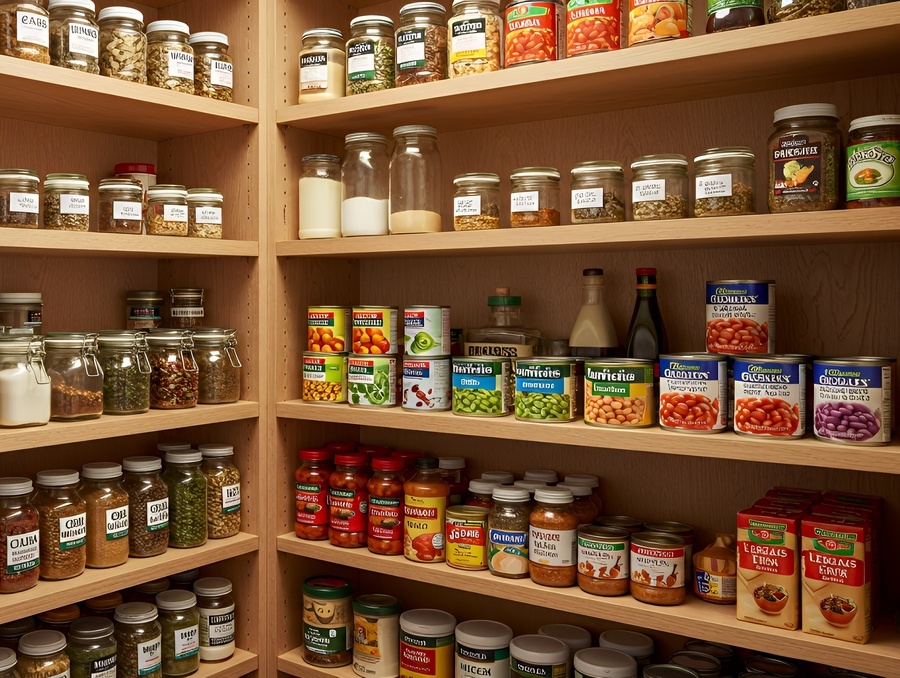
Pantry staples like canned goods, cereal, pasta, and cookies often remain safe to eat for years, provided their packaging is intact and free from damage like rust or swelling.
However, similar to frozen foods, these items might experience a decline in quality over time, leading to stale or off-flavors.
Despite the flexibility regarding consumption dates, ignoring potential signs of spoilage is risky.
Although many people might consume spoiled food without immediate illness, there is still a risk of developing symptoms such as nausea and diarrhea.
Trust your senses to spot unsafe food. Signs of spoilage include mold, bad or unusual smells, color changes, curdling, or a slimy or watery texture.
To help prevent foodborne illnesses and reduce waste, maintaining proper storage conditions is essential.
Milk: 7 days in fridge; freeze up to 3 months. Discard if sour, lumpy, or yellow.
Yogurt: 1–2 weeks in fridge; freeze 1–2 months. Toss if moldy or bad smell.
Cheeses (Cottage, Swiss, Cheddar): 1 week for cottage, 3–4 weeks opened Swiss/Cheddar; freeze up to 6 months. Discard if moldy or slimy.
Eggs: 3–5 weeks in fridge; whites freeze up to 1 year. Float test indicates spoilage.
Meat & Poultry: Raw beef 1–2 days, cooked 2–3 months frozen; raw chicken 1–2 days, freeze 9–12 months. Discard if bad smell or slimy.
Seafood: 1–2 days; freeze 3–8 months. Toss if fishy, sour, or ammonia smell.
Deli/Luncheon Meat: 3–5 days; freeze 1–2 months. Discard if slimy or discolored.
Condiments: Ketchup 6 months, mustard 1 year, pickles 1–3 months. Check for discoloration, wateriness, or bad smell.
To keep food fresh and safe, store raw meat, fish, and poultry on the lowest fridge shelf, separate from other foods to avoid leaks and cross-contamination.
Do not store eggs and milk in the fridge door because it gets warm. Keep pantry items in cool, dry places, not humid areas like basements.
Utilize your freezer for items that can be frozen.
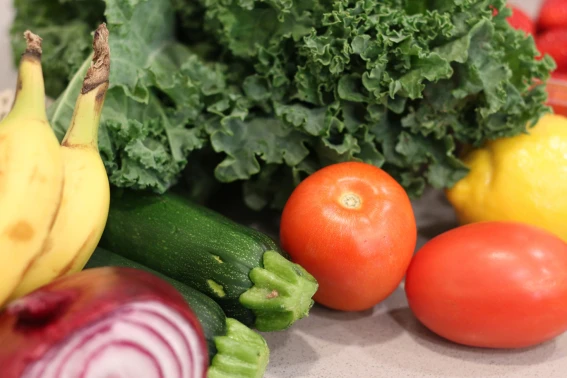
Keep bananas separate from other fruits, as they release ethylene gas which can accelerate spoilage.
Similarly, avoid storing vegetables and herbs in the same compartment as fruits.
High-acid canned foods like tomatoes and fruits last up to 18 months, while low-acid foods like meat and vegetables can be stored for 2 to 5 years.
Using your eyes and nose to check freshness is more reliable than just trusting the printed dates.