Dead or Evolving? The New Life of Radio in a Streaming World
Radio was once the heartbeat of homes, cars and workplaces across Africa and beyond. It was where families gathered for news, where drivers stayed alert with music and talk shows and where communities connected in ways that nothing else could replicate but in a world now dominated by different streaming platforms, is radio dead or evolving?
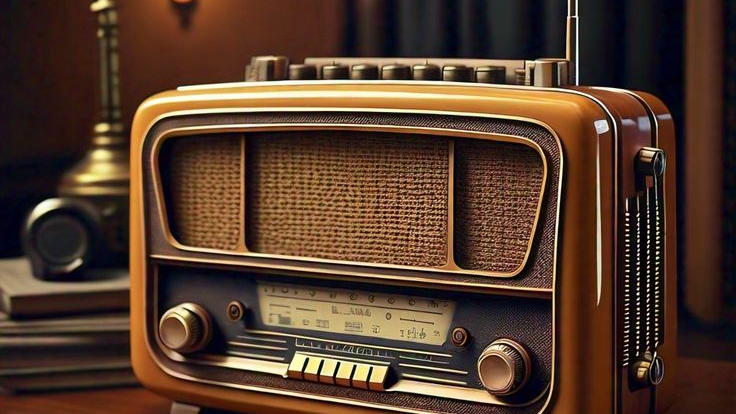
Radio was once the heartbeat of homes, cars and workplaces across Africa and beyond. It was where families gathered for news, where drivers stayed alert with music and talk shows and where communities connected in ways that nothing else could replicate but in a world now dominated by different streaming platforms, is radio dead or evolving?
From the Living Room to the Smartphone
While streaming platforms dominate today’s digital landscape, their rise has also redefined how audiences view music and talk content. Young listeners are now used to features like personalized playlists, AI-curated recommendations, offline downloads and multi-device syncing. A popular morning show or a nighttime relationship segment created collective experiences people discussed the next day. Streaming, for all its convenience, has fragmented those moments. Everyone listens to something different, at a different time, in a different mood. This shift helps explain why many still hold on to radio because even in a highly personalized world, there’s something comforting about everyone hearing the same thing together.
Yet, radio has not vanished. Instead, it is adapting to the digital age. Many stations now offer live streaming through mobile apps, social media, and websites, allowing listeners to tune in wherever they are. The local FM station that once played through tinny speakers in kitchens can now be accessed on a smartphone while commuting, jogging, or working from a café. Radio has learned to meet audiences where they are, blending old-school broadcasting with new-age accessibility.
In rural areas and regions with limited internet access, radio continues to thrive as an essential medium. Even though streaming platforms dominate urban centers, radio remains a lifeline for communities that rely on it for news, weather updates, and entertainment. This coexistence highlights radio’s resilience, it may not be the only option anymore but it has proven it can survive by evolving.

The Rise of Audio-on-Demand and Podcasts
Podcasts haven’t just competed with radio, they’ve redefined how storytelling works in the digital age. Unlike traditional radio, which often follows strict schedules and format constraints, podcasts allow creators to explore topics with depth, creativity, and flexibility. A 10-minute storytelling episode can sit right next to a two-hour investigative documentary. This freedom has attracted thought leaders, journalists, comedians, educators and everyday creators who bring fresh perspectives that mainstream radio rarely had room for.
Gen Z especially, podcasts offer a sense of intimacy and accessibility,they can learn a skill, explore a personal issue, laugh through a conversation or gain career insights from real professionals. This versatility explains why podcast listeners continues to surge and why radio stations are now aggressively integrating podcasts into their strategies. It’s not just adaptation, it’s survival in a world where users expect control, convenience, and depth all at once.
Despite this, radio has adapted by incorporating podcasts and pre-recorded segments into its programming. Stations now produce exclusive online content, re-purpose live shows for podcast platforms, and engage listeners through interactive apps. The line between radio and podcasting is blurring, with traditional stations finding new ways to retain relevance. In fact, some stations have reported growth in online listeners, proving that evolution can be as powerful as innovation.
The hybrid approach benefits both listeners and creators. Audiences enjoy the familiarity of radio personalities and curated playlists while also gaining access to the flexibility and depth offered by on-demand content.For radio professionals, this adaptation creates new revenue streams, audience engagement metrics and creative possibilities that were unheard of in the purely analog era.

Radio in Cars, Workplaces and Everyday Life
One of radio’s most enduring strengths is its presence in places where streaming is inconvenient or impossible. Cars, remain a primary space for radio consumption. Despite the popularity of Bluetooth, car infotainment systems, and smartphone connectivity, many drivers still tune into FM stations for traffic updates, news, and music. The spontaneity of radio, with DJs reacting to live events or engaging in real-time banter, cannot be fully replicated by algorithmic playlists.
Workplaces are another domain where radio retains relevance. While streaming apps provide background music, radio brings a sense of community and shared experience. Employees can laugh at the same jokes, discuss trending topics, and even participate in contests, all in real time. Unlike playlists or podcasts, radio can react instantly to current events, offering a dynamic experience that Pre-recorded audio cannot match.
Even in the digital age, the human connection remains a major draw. Radio personalities, with their voices, humor and presence, create intimacy with listeners that no algorithm can reproduce. This emotional bond keeps audiences engaged and loyal, proving that radio’s value is not solely in content but also in the personal connection it fosters.
The Future: Reinvention and Resilience
Modern radio stations no longer rely solely on call-ins or surveys to understand their audience. Digital streaming allows them to track listening patterns, peak hours, content preferences and engagement levels in real time.This data-driven approach helps stations tailor their shows, adjust music rotations and even identify trending topics faster than before.
Additionally, some broadcasters are experimenting with AI-powered hosts, interactive shows where listeners vote live on content and hybrid programs that mix live radio with podcast-style segments.These innovations position radio not as an outdated medium, but as a platform that is learning to evolve alongside digital behaviour. The stations willing to innovate will not only survive but may create a new form of broadcasting that blends tradition with cutting-edge technology.
Looking ahead, radio’s survival depends on continued reinvention by embracing digital platforms, offering podcasts and experimenting with interactive content, radio can maintain relevance alongside streaming giants. Mobile apps, live social media integration and collaborations with content creators are just some ways radio can evolve while preserving its identity.
Latest Tech News
Decode Africa's Digital Transformation
From Startups to Fintech Hubs - We Cover It All.
Radio’s story is one of resilience, It has faced competition before television, internet even video streaming and each time, it has adapted rather than disappeared. Today’s challenge may be streaming but the solution lies in evolution, blending tradition with innovation. Far from being dead, radio is quietly transforming, proving that its heartbeat can still be heard in homes, cars and offices across the world. While streaming offers control, convenience, and personalization, radio provides immediacy, connection, and community. The two can coexist, offering listeners the best of both worlds. For those who thought radio was a relic, it is now clear that it is not dying, it is simply finding new ways to speak to a new generation.