Crunchyroll's 12-Part Anime Sensation: Proves Manga's Power and Teases Season 2!
The recent anime adaptations of "Hana-Kimi" and "Tamon's B-Side" showcase the intricate art of bringing beloved manga to the screen. Interviews with their respective voice actors, writers, and directors reveal the creative challenges and careful considerations behind balancing original charm with new visual and auditory interpretations, all while hoping for future seasons driven by dedicated fan support.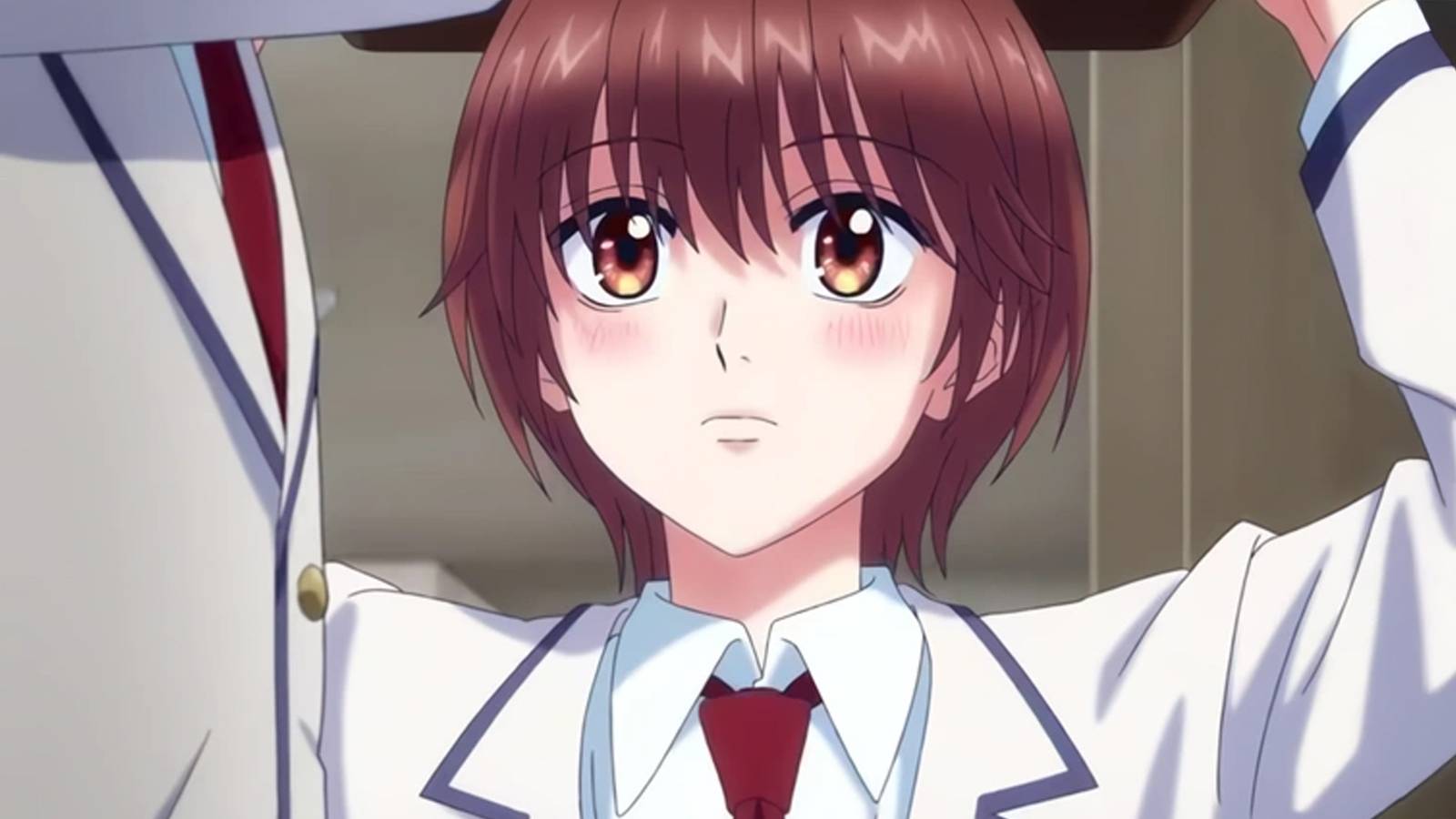
The world of anime continually seeks to adapt beloved manga series, bringing cherished stories to new audiences through dynamic visual and auditory experiences. Recently, two such adaptations, "Hana-Kimi" and "Tamon's B-Side," have garnered significant attention, each offering unique insights into the intricate process of translation from page to screen. "Hana-Kimi," the first-ever anime adaptation of Hisaya Nakajo's nearly 30-year-old manga, and "Tamon's B-Side," a popular series capturing the essence of fandom and boy band love, highlight the enduring appeal and complex considerations involved in these creative endeavors.
The lasting appeal of stories like "Hana-Kimi" stems from their ability to depict "all kinds of love," encompassing not just romantic relationships but also deep friendships, making the characters and situations broadly relatable despite unique premises. Voice actress Katelyn Barr noted the timelessness of its love story, while Wyatt Baker appreciated the depiction of diverse forms of devotion. Dallas Reid highlighted the compelling "will they/won't they" tension, both romantically and concerning the discovery of Mizuki's secret, keeping audiences hooked. Similarly, "Tamon's B-Side" resonates by perfectly capturing the exhilarating feeling of being part of a fandom and the specific joys of loving a boy band, blending heartfelt storytelling with universally relatable themes.
Bringing these characters to life vocally presents unique challenges. For "Hana-Kimi," Katelyn Barr, voicing Mizuki Ashiya, meticulously crafted a deeper, imperfect boy persona for public interactions, a sweeter internal girl voice, and an in-between tone for uncertain moments. Dallas Reid, as Shuichi Nakatsu, focused on a dynamic, high-energy voice capable of wide emotional range, necessary for his character's