State Police: Heated Debates Erupt Over Nigeria's Security Future
Nigeria's National Assembly has passed the State Police Bill, sparking a national debate. While proponents like Deputy Speaker Benjamin Kalu and Governor Agbu Kefas highlight its potential to boost security and funding solutions, presidential candidate Peter Obi raises serious concerns about legislative process flaws, potential political abuse by governors, and calls for deferred implementation and independent oversight. The move aims to decentralize policing amidst complex security challenges.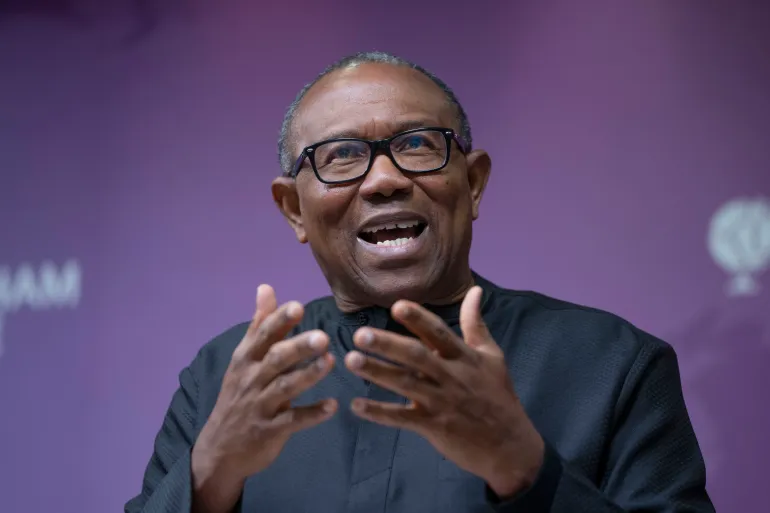
The Nigerian National Assembly has passed the State Police Bill, marking a significant legislative milestone in addressing the long-standing demand for a decentralized policing structure in the country. This move, aimed at strengthening internal security and allowing states to establish their own police forces, has sparked extensive debate among political leaders and stakeholders regarding its implementation, funding, and potential implications for the nation's political landscape.
Presidential candidate of the Nigeria Democratic Congress (NDC), Peter Obi, has voiced strong reservations concerning the bill. He criticized the speedy passage, arguing that it did not adhere to due legislative procedure, particularly the absence of public hearings on such a sensitive issue, which he believes fuels suspicion about political motives. Obi highlighted a widespread and justifiable fear that state police forces could become instruments in the hands of governors, potentially used to suppress political rivals, disrupt opposition rallies, and manipulate elections. To counter these risks, he emphasized the need for clear provisions for independent oversight bodies, such as a state-level Police Service Commission, completely free from executive influence. Obi further urged that the implementation of the state policing system be deferred until after the 2027 general elections, citing concerns that the current administration might exploit it to influence election outcomes by proxy.
Conversely, Deputy Speaker of the House of Representatives, Hon. Benjamin Kalu, has sought to allay fears regarding the proposed state police. He assured Nigerians that funding would not be a challenge, explaining that the National Assembly is actively developing mechanisms for sustainable financing. Kalu pointed to increased federal allocations to states by the current administration, suggesting these funds could support state policing. He also acknowledged concerns about potential abuse by governors but insisted that the constitutional amendment incorporates extensive safeguards, including "guardrails" that define the powers, duties, and responsibilities of state police, and prescribe national minimum standards that states must comply with. Kalu clarified that state police would be prohibited from engaging in partisan activities or politically motivated operations, and that a consequential repeal and re-enactment of the Police Act would follow to provide a robust legal framework. He further rejected claims of worsening insecurity, stating that data indicates a decline in violent incidents and highlighting the government's commitment through increased defence funding.
Support for the state police initiative has also come from other quarters. Taraba State Governor Agbu Kefas expressed strong backing, deeming it a critical step towards strengthening Nigeria's security system. He affirmed that extensive consultations had already taken place and reiterated his administration's commitment to supporting the Nigeria Police Force and other security agencies in maintaining peace. Additionally, former House of Representatives member, Hon. Ogbonna Nwuke, asserted that no amount of money spent on establishing state police would be a waste, given the high level of insecurity characterized by insurgency, militancy, and kidnappings. Nwuke argued that the current centralized police force is often inadequate, lacking local knowledge and sufficient personnel to effectively tackle criminality, and that state policing represents a necessary new way forward driven by the will to tackle crime.
The ongoing legislative efforts reflect a crucial national dialogue on decentralizing security responsibilities while ensuring accountability and preventing political weaponization. As the National Assembly continues to fine-tune the legislative framework during its recess, the debate highlights the delicate balance between empowering states to enhance local security and establishing robust institutional checks to safeguard democratic processes and public trust.