Controversial Camera Crackdown: Long Island Villages Issue Stop-Sign Tickets Amidst Legal Void
Automated stop-sign tickets are gaining traction in Nassau County villages, with the Nassau County Village Officials Association backing state legislation for their authorization. The pioneering program in Saddle Rock, however, faces legal challenges and driver scrutiny due to operating without specific state approval. While some village leaders are keen to adopt similar systems for public safety, state legislators are working to formalize such enforcement through trial programs.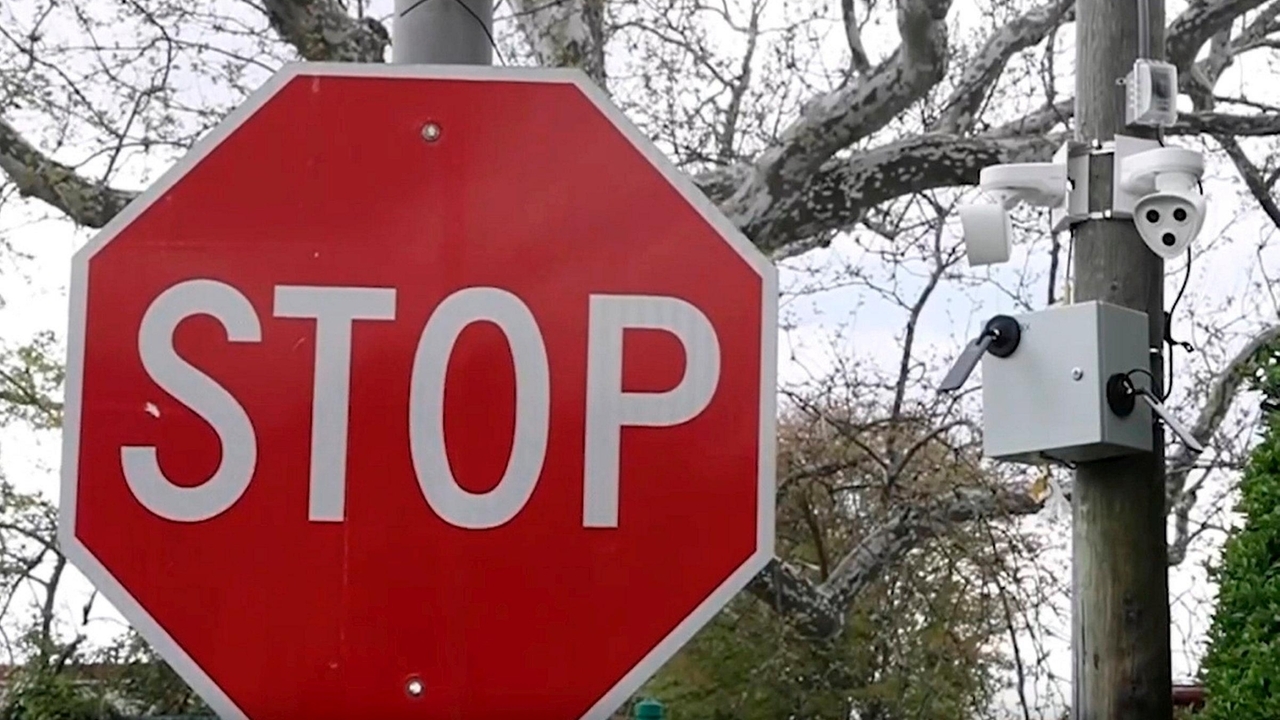
Automated stop-sign enforcement programs are garnering significant support among village leaders in Nassau County, despite ongoing legal and transparency challenges faced by a pioneering program in Saddle Rock. The Nassau County Village Officials Association, representing the county’s 64 villages, recently voted to endorse state legislation that would authorize stop-sign enforcement in villages. Several mayors have indicated their willingness to implement similar programs, viewing them as crucial tools for public safety.
The village of Saddle Rock launched its controversial program last year, issuing $60 tickets to motorists who fail to stop at stop signs. This initiative, however, operates without specific state legislation, a point of contention for both drivers and some officials. The state Department of Transportation has previously stated that state law is a prerequisite for camera-enforcement programs that impose liability on vehicle owners. While other automated enforcement systems, such as red-light cameras and speed cameras in work zones, received prior legislative approval, no such authorization exists for stop-sign cameras.
Drivers and residents have voiced strong opposition, challenging the legitimacy and transparency of the Saddle Rock program. Great Neck resident Ed Judson described the situation as the “wild, wild west” due to the absence of state oversight and authorization, suggesting the program is primarily a money-generating effort. Robert Zausmer, a Saddle Rock lawyer, successfully disputed a ticket on the grounds of lacking authority, leading to its dismissal by the village as a “courtesy.” This highlights the program’s precarious legal standing.
In response to the growing interest and legal ambiguities, State Senator Jack Martins (R-Mineola) is actively working on legislation that would allow Nassau villages to implement their own trial versions of such programs. Meanwhile, Assemblyman Fred Thiele (D-Sag Harbor), a member of the transportation committee, suggested that only a successful lawsuit could halt the current operation of the Saddle Rock program, underscoring the legal grey area.
Saddle Rock Mayor Dan Levy defends the program as essential for public safety, citing an increase in road rage and aggressive driving. He explained that previous attempts with speed signs backfired, as “youngsters” used them for racing. The village has also hired private security for patrols, recognizing the infeasibility of increased police presence. The program is reportedly managed by a Great Neck-based vendor, Stop For Kids, which operates on a revenue-sharing model, meaning the program comes at no direct cost to the village beyond power hookup, as the company receives a cut of the fines. Roslyn Estates Mayor Paul Leone Peters confirmed discussions with the vendor and expressed interest in a similar program, provided it is fair and enhances road safety, especially for children.
The debate surrounding automated stop-sign enforcement in Nassau County villages encapsulates a broader tension between the critical need for public safety measures and the imperative for legal authorization, transparency, and accountability. As more villages consider these programs, the push for state legislation and clear guidelines becomes increasingly vital to address the ongoing challenges and ensure public trust.