Central Bank’s Rate Cut Sparks Fresh Questions for OPay and PiggyVest Users
Nigeria’s central bank has cut interest rates again, raising questions for users of fintech platforms like OPay and PiggyVest amid shifting savings and loan returns.
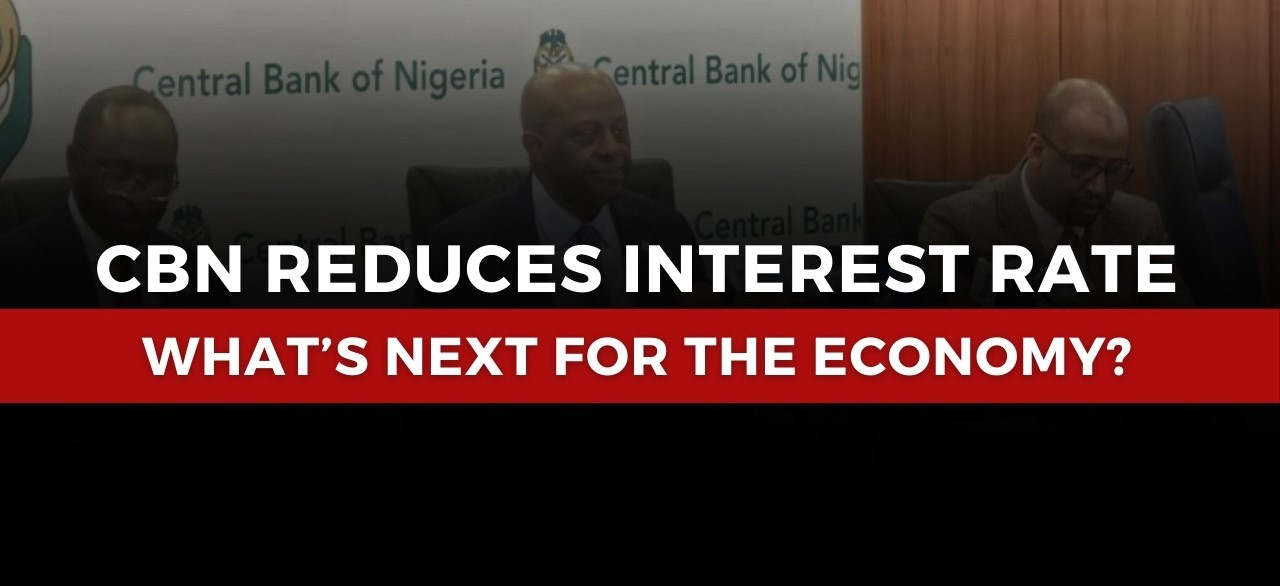
Nigeria’s Central Bank of Nigeria (CBN) has announced a fresh adjustment to its Monetary Policy Rate, lowering it from 27% to 26.5%.
The move marks the second cut in a row, following a reduction from 27.5% to 27% in September 2025.
The decision is linked to a sustained slowdown in inflation, which has declined for eleven consecutive months to 15.1%, its lowest level in two years.
In principle, a lower MPR should translate into cheaper borrowing across the economy.
In practice, the impact on everyday users of fintech platforms may be limited.
For loan users on OPay, the rate cut is unlikely to bring immediate relief.
OPay facilitates loans through licensed lenders such as OKash and EaseMoni, which operate under microfinance banking structures.
OKash charges monthly interest rates ranging from 3% to 15%, with annualised rates that can climb as high as 360%.
These costs reflect the short-term, high-risk nature of microloans, where pricing is driven more by default risk and credit profiles than by the CBN’s benchmark rate.

As a result, borrowers should not expect their loan repayments to fall in the near-term.
On the savings side, platforms like PiggyVest may feel the effects more gradually.
PiggyVest’s products, including SafeLock and investment offerings, are closely tied to money market instruments.
If the CBN continues cutting rates, returns on fixed savings products could slowly decline.
At present, fintech savings apps still offer annual returns between 14% and 22%, well above the roughly 8% average offered by traditional banks.
Latest Tech News
Decode Africa's Digital Transformation
From Startups to Fintech Hubs - We Cover It All.
That gap, however, may narrow as the interest-rate environment continues to ease.
Other investment-focused platforms linked to money market funds are also expected to adjust returns in line with broader policy trends.
Despite this, the current 26.5% MPR remains historically high, meaning any reduction in savings yields is likely to be gradual rather than sudden.
Overall, the rate cut signals improving macroeconomic conditions and a potential shift toward cheaper borrowing over the long term.
For now, high-risk microloan users should expect little immediate change, while savers may see slow adjustments in returns.

Economists broadly anticipate further rate cuts, which could eventually reshape borrowing and saving behaviour across Nigeria’s fintech landscape.