Cancel Culture Is Just Digital Mob Justice in Disguise
Cancel culture becomes digital mob justice when online accountability abandons context, evidence, and proportionality for public punishment, outrage, and permanent condemnation.
Have you ever stood against jungle justice in the city where you live? Imagine waking up one morning and discovering that your friend's name has become a trending topic, their phone is flooded with notifications, strangers are dissecting something they said three years ago, screenshots are circulating without context, and people who have never met them are calling for their job to be taken away.
Then brands that have nothing to do with the original controversy are being tagged, employers are being pressured, old posts are being dragged into the conversation, and thousands of people are suddenly discussing the character of someone they have never spoken to.
Your friend eventually calls you, confused and distressed, asking what they are supposed to do, while you sit there trying to understand how a person you know has suddenly become a public enemy to people who have never met them.
Yes, they may have made a mistake. They may even deserve criticism, which you might have given them yourself if you are a true friend, because real friends should be able to tell each other when they are wrong.
But that is not the argument here; because somewhere between criticism and punishment, something else has happened: thousands of strangers have become judge, jury and executioner over the integrity of one person.
That is jungle justice, except no crowds are gathering around a roadside, no physical beating and, in extreme cases, no immediate threat to someone's life. Instead, the punishment happens behind keyboards, inside comment sections, across timelines and through screenshots that can travel faster than the truth itself. This is where cancel culture becomes difficult to distinguish from what can also be referred to as digital mob justice.
The internet has created something historically unusual: a punishment system without a courtroom, a jury without rules of evidence and a sentence that can be delivered by people who know almost nothing about the person involved.
When Everyone Becomes the Judge
Before the internet became the centre of public conversation, criticism came from a person's community, employer, or the press.
Now, one post can mobilise thousands within hours, turning someone from virtually unknown into the subject of nationwide outrage before they even understand what happened.
This has, in some ways, democratised accountability. People who previously had no platform can speak about their experiences, but the internet did not only democratise accountability; it democratised punishment, and those two things are not the same.
Accountability asks what happened, whether the claim is true, who was harmed and what should happen next.Mob justice asks a different set of questions: who is this person, what can we take from them, what can be done to cause emotional pain and how quickly can we make them suffer? Being criticised is not the same as being cancelled.
The difference becomes dangerous when the crowd stops trying to establish what happened and becomes more interested in deciding what should happen to the person
The Internet Has No Proportionality
Punishment online rarely maintains a clear relationship with the offence. Someone can make an insensitive joke and lose their job. Someone can apologise sincerely and still be told the apology proves their guilt.
The internet does not always distinguish between mistake, ignorance, disagreement and deliberate harm; everything collapses into one category, bad person, and once someone enters it, context becomes almost irrelevant.
Digital outrage is designed for speed, not proportion. The faster it spreads, the less time there is for verification or reflection, because the crowd has already decided that hesitation looks like complicity.
This is why digital mob justice is so dangerous: the punishment can arrive before the facts do.
Accountability Without a Crowd Deciding the Sentence
None of this means people should behave however they want without consequences. Social media has exposed behaviour that traditional institutions ignored, and public pressure has forced organisations to answer questions they previously avoided.
Cancel culture can sometimes work; it can give victims a voice, expose misconduct and make institutions realise the public is watching.
But the fact that public pressure can produce accountability does not mean every internet pile-on is accountability. The question is not whether people should face consequences; it is whether millions of people who do not collectively possess the facts should collectively determine a person's punishment.

Go back to the person who woke up to thousands of notifications. What if they were guilty? They should face consequences. What if the accusation was false? They could lose everything before anyone checked. What if they made a genuine mistake? Should one mistake become a permanent identity?
These questions do not weaken accountability; they make the gravity behind every unsolicited internet attack more serious, because justice was never supposed to be measured by the size of the crowd.
When Outrage Becomes Entertainment
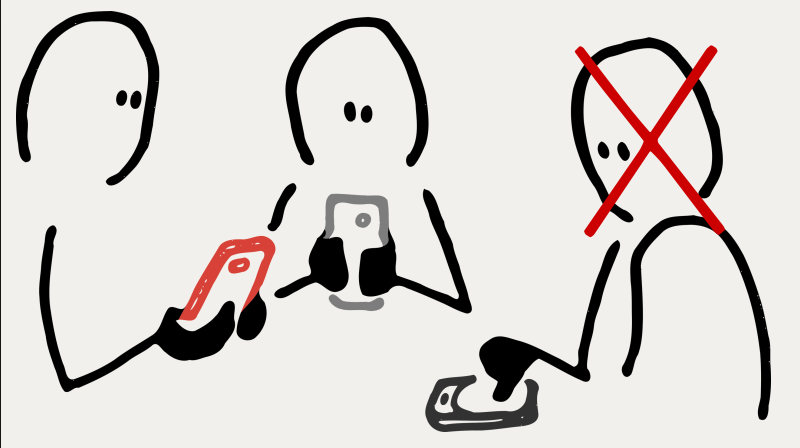
Social media platforms reward engagement, and anger generates comments, reposts and reactions. The more dramatic a controversy becomes, the more attention it attracts, creating an attention economy around public humiliation.
Most people do not always participate because they care about justice; sometimes they participate because the spectacle is entertaining.
In the long run, someone's downfall becomes content, their apology becomes content too. Their silence? It also becomes another anticipated content, because if the person cancelled does not speak about the issue it means they are guilty.
In the end, the person in question is no longer simply a human being who made a mistake; they have become a trending topic, and the audience can forget there is still a human being on the other side of the screen.
The Digital Crowd Has a Memory Problem

In cases of traditional punishment, they usually end. A fine may be paid, a suspension given, or a sentence served, but the internet is different.
Screenshots still survive, old posts still resurface, and a person can be punished repeatedly for the same mistake years after, because the internet does not believe in serving a sentence once.
If someone apologised, changed, and lived differently for five years, should the internet have the power to punish them for the same mistake forever? There may be offences serious enough that consequences should remain significant for a long time, but there is a difference between remembering wrongdoing and permanently denying someone the possibility of becoming different from the person they once were.
A society that believes in accountability must eventually decide whether accountability includes the possibility of redemption.
Just maybe the real danger is not that the internet has become too powerful at holding people accountable. It is that we have become too comfortable giving a crowd the power to decide who deserves punishment, how much they deserve, and whether they are ever allowed to return.
Cancel culture becomes digital mob justice when accountability stops being about establishing what happened and starts being about satisfying the crowd's desire to punish.