Can Africa Afford to Treat the World as It Is Treated?
Namibia's reciprocal visa policy is more than an immigration change. Alongside Burkina Faso's language reforms and other recent policy shifts, it reflects a broader question: can African countries translate demands for equality into enforceable state policy?
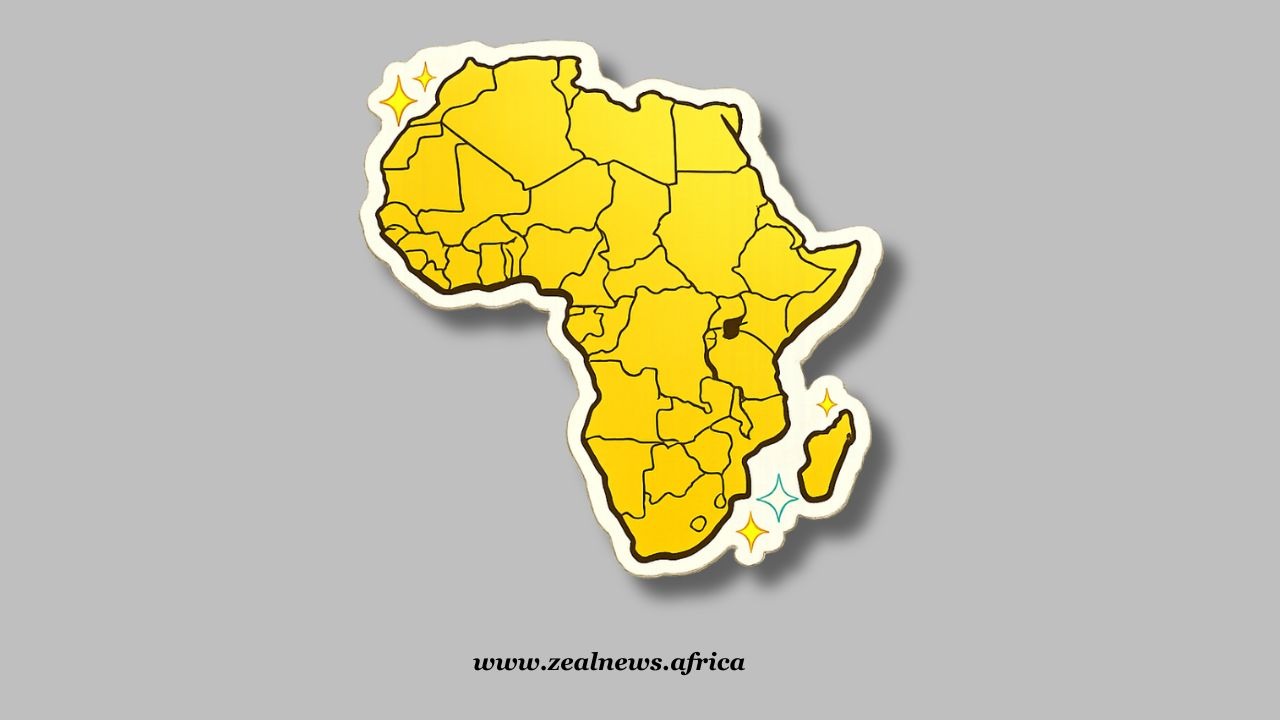
For decades, Africa's relationship with much of the world has been built on an imbalance so familiar that it rarely attracted attention. Citizens from Europe and North America could travel across many African countries with minimal restrictions, while Africans seeking to visit those same countries often faced lengthy visa applications, financial documentation, interviews and rejection rates that reflected unequal mobility rather than equal partnership.
The disparity became normal, even as African leaders repeatedly spoke about sovereignty, mutual respect and fair treatment on international platforms.
That is why Namibia's decision to end visa-free entry for citizens of countries that require visas from Namibians deserves to be read as more than an immigration policy. It is a statement of reciprocity.
Rather than arguing that visa requirements are unfair, Namibia has effectively said that if its citizens must navigate barriers abroad, visitors from those countries should expect similar treatment.
It is not a dramatic diplomatic rupture, nor is it an anti-Western gesture. It is a practical attempt to apply the principle of equality at the border.
Reciprocity Is Replacing Symbolism

Whenanalysedin isolation, the policy may appear administrative. Viewed alongside developments elsewhere on the continent, however, it begins to look like part of a broader pattern.
Across Africa, governments are increasingly moving beyond symbolic declarations of sovereignty and experimenting with policies that seek to redefine their relationships with former colonial powers and global partners.
Burkina Faso offers another illustration. The country's decision to reduce the privileged status of French while elevating national languages was not simply about linguistics. Language has always been intertwined with power, administration and identity. By changing the role of French in public life, Burkina Faso signalled a desire to reshape institutions around domestic priorities rather than inherited colonial structures. Whether one agrees with the policy or not, the message was unmistakable: independence should not exist only in constitutions; it should also be reflected in the everyday functioning of the state.
Elsewhere, Mali and Niger have reconfigured their security partnerships, while the Alliance of Sahel States has emerged as an attempt to create alternative regional frameworks outside traditional arrangements. Debates over the future of the CFA franc continue in parts of West Africa.
Governments are also becoming more assertive in negotiations over critical minerals, seeking greater local value addition instead of exporting raw resources with limited domestic benefit.
None of these decisions are identical, and different political realities shape each. Yet they point towards a common instinct: African governments are becoming more willing to question relationships that previous administrations often accepted as fixed.
Equality Is Easier to Demand Than to Enforce

This does not necessarily mean Africa is rejecting Europe or the United States. That interpretation oversimplifies a far more complex reality. The continent remains deeply connected to Western economies through trade, investment, education and development partnerships.
What appears to be changing is not the desire for cooperation but the expectation that cooperation should be based on reciprocity rather than inherited privilege.
Namibia's visa policy illustrates this distinction clearly. The government did not close its borders or prohibit visitors from specific countries. Instead, it adopted a straightforward principle: if Namibians require visas to enter your country, your citizens should expect the same when entering Namibia. It is a policy grounded less in confrontation than in symmetry.
The larger question, however, is whether African countries possess enough leverage to enforce such principles consistently. Equality in international relations is rarely secured through declarations alone. It depends on economic strength, institutional credibility, diplomatic influence and strategic importance.
Countries with larger markets, stronger institutions and greater geopolitical relevance naturally command more negotiating power than those struggling with political instability or economic dependence.
That is why reciprocity can be both empowering and risky. A country that imposes stricter visa requirements may strengthen its diplomatic position, but it could also discourage tourism, investment or business travel if the policy is not carefully calibrated.
Similarly, replacing colonial languages or restructuring long-standing alliances carries both symbolic value and practical costs. Sovereignty is never exercised in a vacuum; every assertion of independence has consequences that governments must be prepared to manage.
A Continent Beginning to Negotiate on Its Own Terms
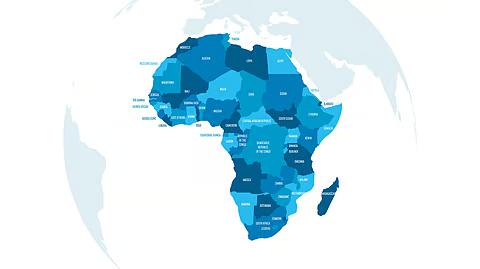
Still, it would be mistaken to dismiss these developments as isolated acts of nationalism. They reflect a continent operating in a changing global environment. The rise of new economic partners, competition for Africa's critical minerals, the expansion of BRICS, and the continent's growing demographic and strategic importance have collectively increased Africa's bargaining power. Governments that once felt compelled to accept unequal arrangements now recognise they have more room to negotiate.

Whether that confidence will translate into lasting institutional change remains uncertain. Some initiatives may prove more symbolic than transformative, while others could redefine how African states engage with the world. Success will depend not only on making bold announcements but on building the economic resilience, governance capacity and diplomatic consistency needed to sustain them.
Namibia's visa policy, therefore, should not be viewed merely as a change in travel requirements. It raises a broader question about the direction of African diplomacy.
For generations, African leaders have asked whether the world would treat their countries as equals. Increasingly, a different question is emerging, one that may shape the continent's next chapter far more profoundly.
Can African countries move beyond demanding equality and begin enforcing it on their own terms?