Can 168 Hours of Dancing Put Nigerian Dance on the World Stage?
One Nigerian dancer is taking on 168 hours of non-stop dancing. Can seven days of movement make history?
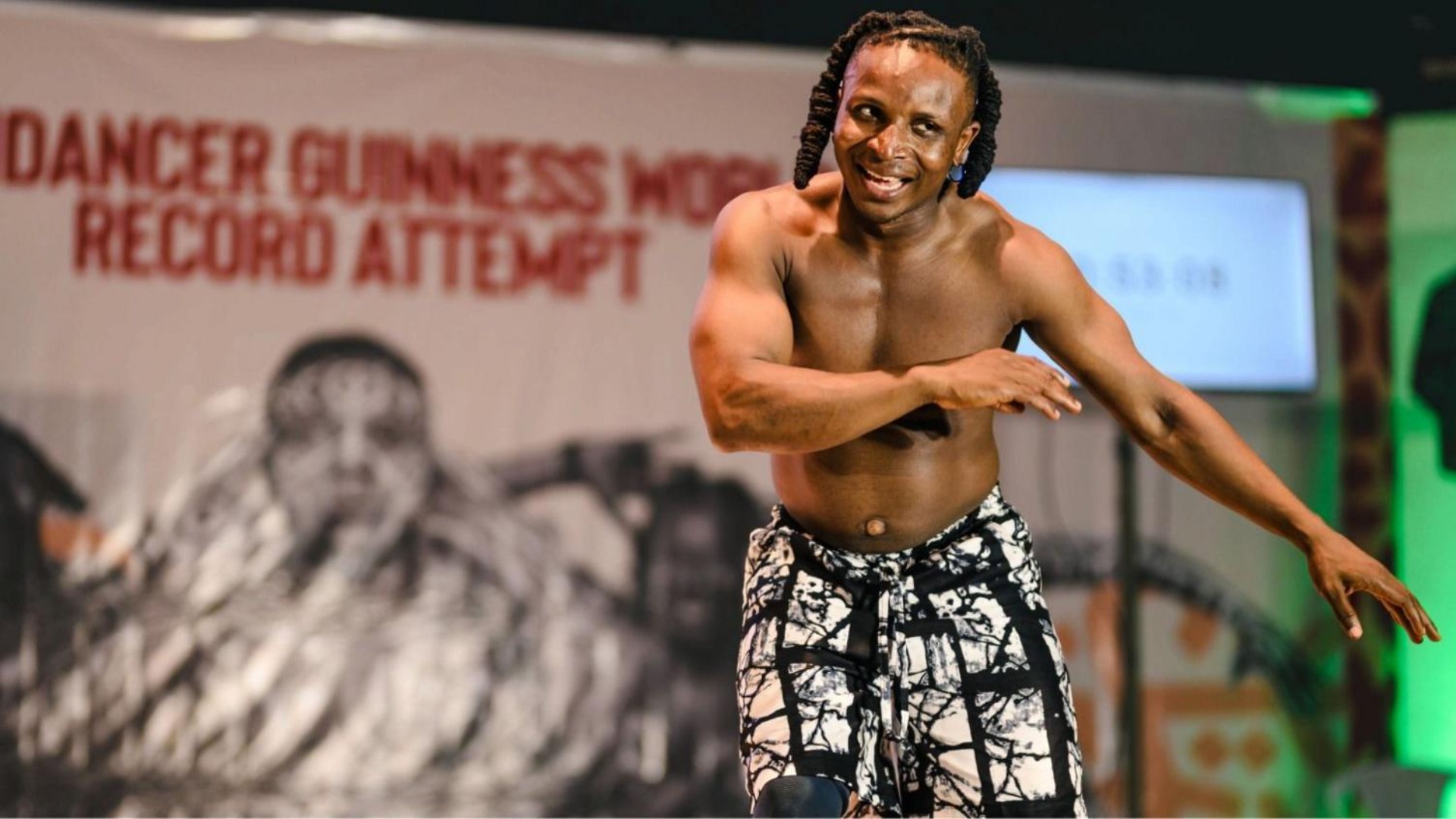
How long can a person dance before the record stops being about the dancing and becomes a test of the human body?
That is the question surrounding Benjamin Daniel, popularly known as Ben Dancer, who is attempting to dance continuously for 168 hours — seven full days at Freedom Park in Lagos, in a bid to set a new world record for the longest individual dance marathon.
The 33-year-old professional dancer began the attempton September 22, aiming to surpass the current 127-hour record set by Indian dancer Srushti Sudhir Jagtap in 2023, when she was just 16. If Ben Dancer completes his target, he would exceed the existing mark by 41 hours.
But there is a bigger story behind the marathon. Ben Dancer is not simply counting hours on a dance floor. He is using Nigerian music, traditional clothing, indigenous dance and modern internet culture to turn an endurance challenge into a showcase of what Nigerian performance can look like on a global stage.
Guinness World Records has yet to confirm whether the ongoing attempt will qualify as an official record, making the final verification just as important as the performance itself.
Is This Really About Breaking a Record?
For Ben Dancer, the answer appears to be bigger than a number.
With 18 years of professional dance experience, he has spent much of his career working across choreography, creative direction, dance consultancy, modelling and fitness. He is also the founder of Bendancer Academy International, where he trains and mentors emerging dancers.
Speaking about the challenge, he said:
“This attempt isn’t just about breaking a record; it’s about showing young people that with discipline, resilience, and belief, what seems impossible can become reality.”
He also described himself as carrying the dreams of other creatives onto the stage, hoping the attempt would remind young Africans that their talent can reach audiences around the world.
That raises an interesting question: what if the record itself is only the headline, while the real achievement is making people take dance more seriously as a profession?
Ben Dancer has already built a career around that idea, including work with Made Kuti and The Movement and appearances at events such as Felabration and the Big Brother Naija finale.
Seven Days of Nigerian Music, Movement and Culture
The marathon has also become a moving display of Nigerian culture.
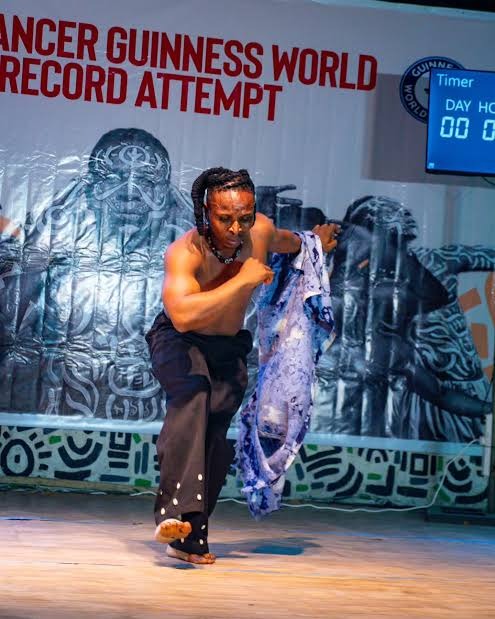
Afrobeats have been a constant part of the performance, alongside fuji, jazz and zouk. At different points, Ben Dancer has swapped his usual dancewear for traditional Nigerian outfits, including the agbada and dashiki.
His team has said the performance is intended to reflect Nigeria's cultural diversity rather than simply demonstrate physical endurance. That is significant in a country with more than 250 ethnic groups and countless traditions expressed through movement, music and storytelling.
Ben Dancer had also spoken about using different indigenous dance styles to represent that diversity, including Bata, Fulfulde and Ibibio, with the broader aim of bringing Nigerians together through dance.
So, could a seven-day dance marathon become a kind of cultural archive in motion?

Perhaps that is what makes the attempt different from simply watching someone dance for hours. Every rhythm, costume and movement becomes part of a larger Nigerian story.
The Crowd Is Watching — But So Is the Clock
While Ben Dancer is the one doing the dancing, Freedom Park has increasingly become part of the spectacle.
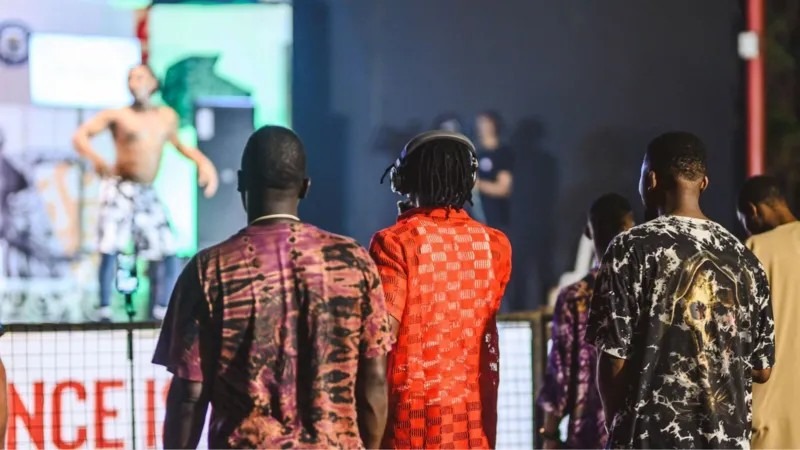
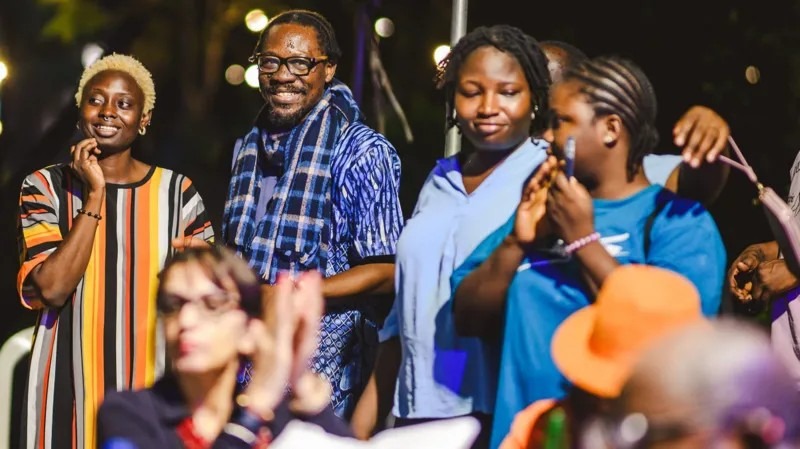
Young Nigerians have gathered behind the barriers to cheer him on, record videos and even dance along. Social media videos have helped draw more attention to the attempt, turning the venue into something resembling a street party.
But admiration has come with concern.
One visitor, Emmanuel Ulelu, said he noticed the stress on Ben Dancer early in the challenge and wondered how he would keep going. Another supporter, Moronumubo Akodu, described the attempt as “insane” while expressing pride in his determination.
The physical demands are clearly enormous. His team says he underwent intensive fitness training before the attempt, adjusted his diet and focused on carbohydrates and cardiovascular conditioning.
During the marathon, he has been taking fluids and light meals, while following a rest arrangement that allows five minutes of rest for every continuous hour of activity. A medical team has also been present at Freedom Park.
And this is where the controversy naturally enters the conversation: when does extraordinary determination become an unreasonable physical test?
The answer is not simply about how badly someone wants a record. It is also about preparation, safety, monitoring and whether the attempt ultimately meets the rules required for official recognition.
For now, the crowd can cheer, the cameras can keep rolling and Ben Dancer can keep moving. But the clock remains the unforgiving part of the challenge.
Conclusion
Nigeria has become increasingly familiar with spectacular Guinness World Records attempts. Hilda Baci's 93-hour, 11-minute cook-a-thon in 2023, which Guinness officially recognized at the time, triggered a wave of interest in record attempts across the country.
Guinness reportedly received more than 1,500 applications from Nigeria within two months of her achievement.
Ben Dancer's challenge is now adding dance to that growing record-breaking culture.
But perhaps the more important question is not simply whether 168 hours will be enough to make history.
It is whether, after the music stops, more people will see Nigerian dance not merely as entertainment, but as an art, a profession and a cultural force capable of travelling far beyond Nigeria.
“A record may last for a moment, but the culture behind it can last for generations.”