Cape Verde: The African Nation That Defeated Malaria
Find out how Cabo Verde became the first Sub-Saharan African nation to defeat malaria.
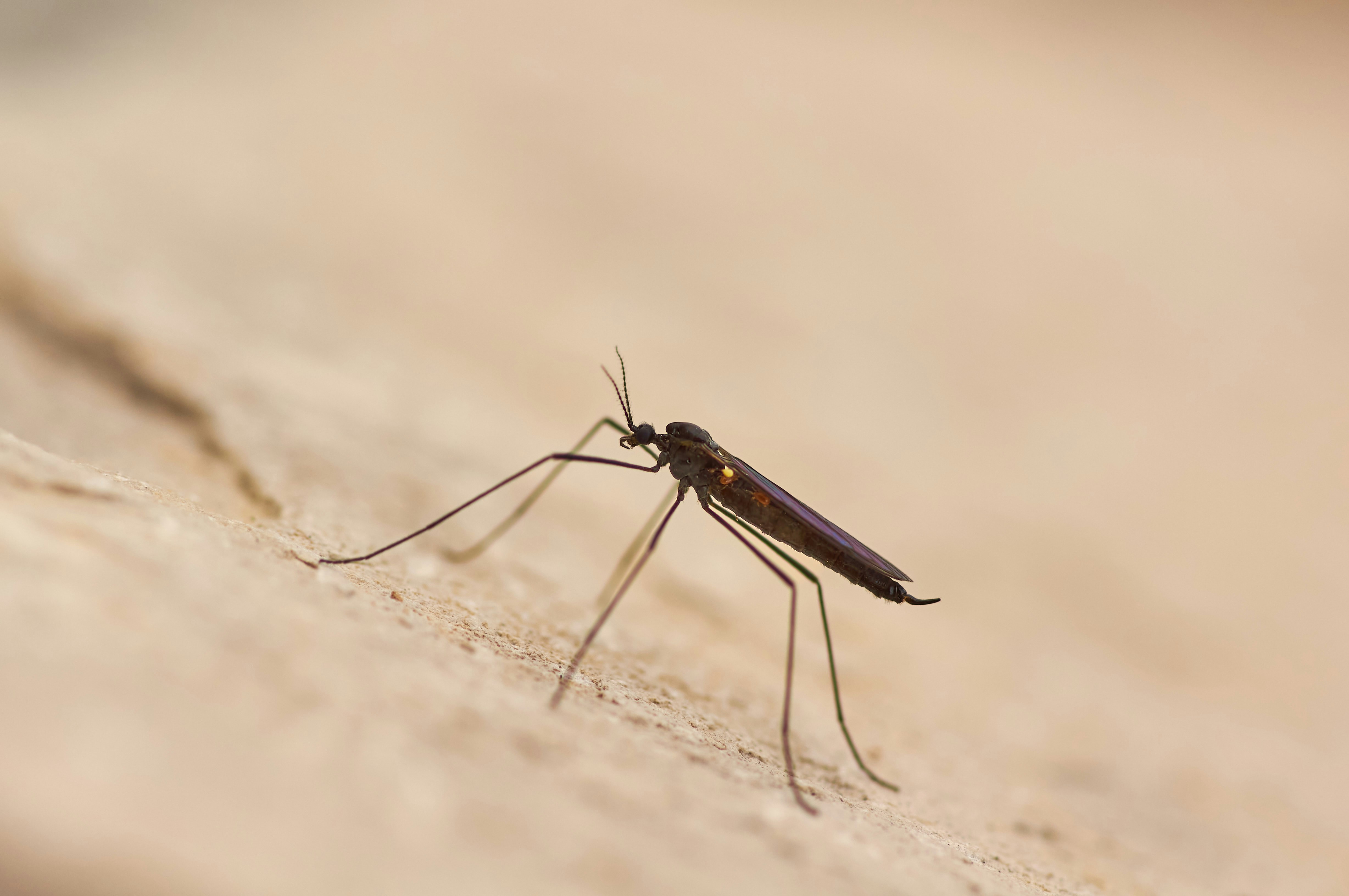
In a continent where malaria still takes hundreds of thousands of lives each year, one small island nation stands out as a quiet but powerful success story: Cape Verde. In 2024, this West African country made history by becoming the first sub-Saharan African nation to be officially certified malaria-free by the World Health Organization (WHO).
Where Is Cape Verde?
Cape Verde, also known as Cabo Verde, is a group of ten volcanic islands located in the central Atlantic Ocean, about 570 kilometers (350 miles) off the coast of West Africa, near Senegal and Mauritania. Its capital city, Praia, is on the island of Santiago.
Being an island nation helped, but geography alone wasn’t the reason Cape Verde succeeded where others haven’t—this was a victory earned through science, strategy, and strong leadership.
How Did Cabo Verde Beat Malaria?
While many African countries continue to battle malaria every day, Cape Verde managed to stop local malaria transmission completely. Here's how they did it:
1. Strong Government Commitment
Since 2008, Cape Verde’s leaders have made malaria elimination a national priority. Working with WHO, they created a detailed and budgeted action plan that brought together not just the health sector, but also agriculture, transport, tourism, and even the military.
2. A Smart and Fast Health System

The country built a real-time surveillance system that could detect any malaria case quickly, investigate it, and respond fast—whether the case was local or imported. That rapid reaction prevented new outbreaks.

3. Targeted Mosquito Control

Cape Verde didn’t just rely on mosquito nets. It used several smart tools to stop mosquitoes from spreading malaria:
Biological larvicides like Bacillus thuringiensis israelensis (Bti) were used to kill mosquito larvae.
Indoor spraying with safe insecticides helped eliminate adult mosquitoes.
In some places, they even introduced larva-eating fish into water bodies.
Petroleum-based products were applied to stagnant water to stop mosquito breeding.
4. Free Malaria Treatment for Everyone
Whether you were a resident or a visitor, Cape Verde made sure that malaria diagnosis and treatment were free. This helped the country catch and treat cases early—especially important for travelers who might bring the disease in.
5. Island Advantage, Backed by Technology
Being isolated by ocean helped limit the spread of the disease. But that alone wasn’t enough. Cape Verde invested in airport and port screening, watching carefully for imported cases. It also trained health workers, conducted research, and adapted its approach as new information came in.
6. Global Support and Partnerships
Cape Verde worked closely with WHO, The Global Fund, and research groups to get technical advice and funding. These partnerships helped keep the effort going for years until full elimination was achieved.
A Model for the Rest of Africa?
Other African countries like Botswana, Eswatini, and South Africa are also making good progress and may eliminate malaria in the coming years. But Cape Verde proved that it’s possible—even in a region where the disease is still a huge challenge.
This achievement is more than just a health milestone. It's a story of dedication, innovation, and hope—a reminder that with the right tools and teamwork, even the deadliest diseases can be beaten.
What’s Next?
Now that Cape Verde is malaria-free, the focus has shifted to keeping it that way. The country continues to watch closely for imported cases and act quickly to stop any new spread.
In the fight against malaria, Cape Verde is no longer just an island—it’s a beacon of possibility for Africa and the world.