Border Inferno: Thai-Cambodian Crisis Escalates with Legal Threats & US Intervention
Escalating tensions define the Thai-Cambodian border conflict, marked by Thailand's rejection of assassination claims against Cambodian leaders and growing concerns over alleged landmine use. Diplomatic efforts are underway, alongside considerations for legal action against Hun Sen and Hun Manet, amid accusations of encroachment and misinformation.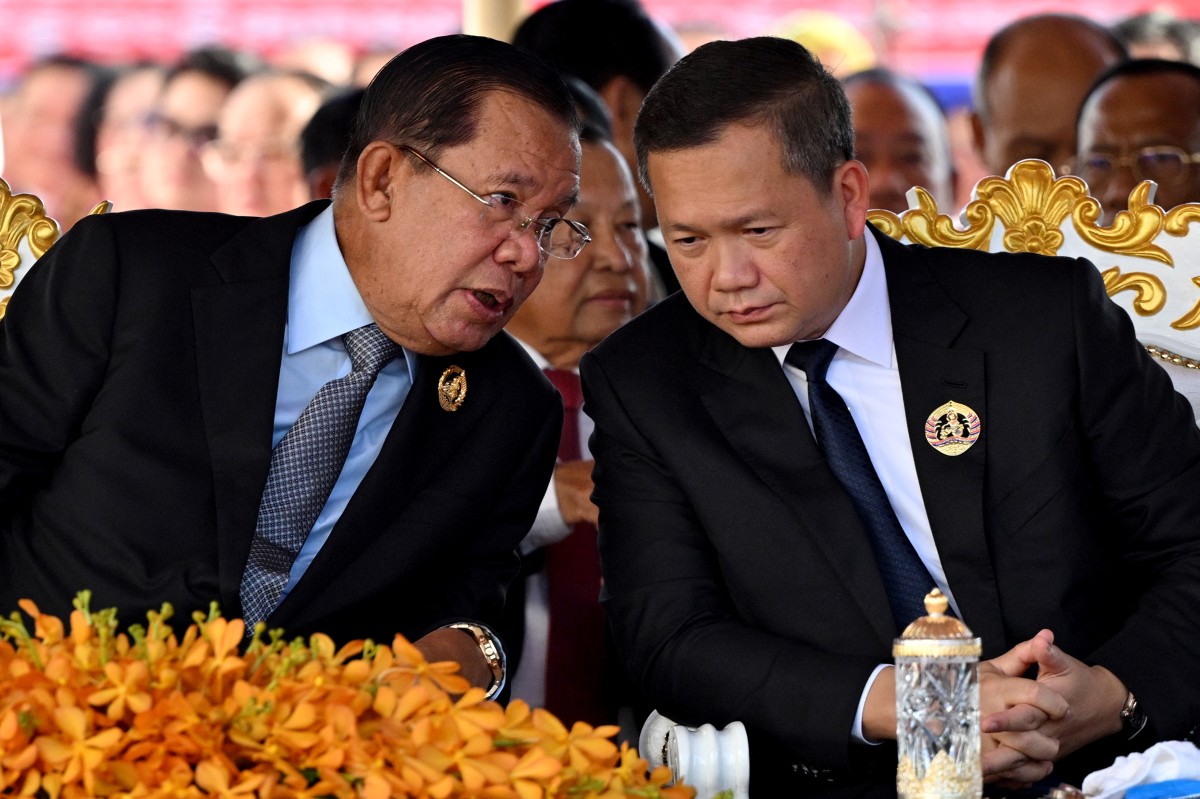
The ongoing border conflict between Thailand and Cambodia has intensified with recent diplomatic accusations, humanitarian concerns, and considerations for international legal action. Thailand's Ministry of Foreign Affairs has firmly rejected circulating claims, initially made by Cambodia's Minister of Information, that Thailand plans to assassinate Cambodian leaders Hun Sen and Hun Manet. Nikorndej Balankura, Director-General of the Department of Information, stated these allegations are entirely unfounded and designed to defame Thailand, emphasizing that such disinformation undermines the spirit of dialogue and peaceful resolution efforts, particularly during ongoing General Border Committee (GBC) discussions.
A critical aspect of the conflict involves allegations of landmine use and its humanitarian impact. The Royal Thai Army (RTA) is leading an ASEAN Interim Observation Team (IOT) to the Thai-Cambodian border to monitor alleged breaches of international law and ceasefire conditions by Cambodian troops. This mission follows earlier visits by ASEAN envoys and representatives from countries that ratified the Ottawa Convention, which bans the use of landmines. During these visits to Si Sa Ket province, envoys reportedly witnessed evidence of anti-personnel mines allegedly laid by Cambodian forces and spoke with affected residents. Additionally, the International Committee of the Red Cross (ICRC) assessed the humanitarian impact of cross-border attacks on civilians in Surin, Si Sa Ket, and Ubon Ratchathani provinces, gathering facts and interviewing local residents for a confidential report to both governments.
The Ministry of Digital Economy and Society (DES) has highlighted the prevalence of misinformation surrounding the conflict, reporting that eight out of the top ten fake news items last week were false reports related to the Thai-Cambodian border situation, underscoring the challenge of information warfare.
Thailand is also exploring significant legal avenues against Cambodian leadership. Acting Prime Minister Phumtham Wechayachai confirmed that academics might submit a proposal to the government to consider suing Cambodian Prime Minister Hun Manet and his father, Hun Sen, in the International Criminal Court (ICC) as alleged war criminals. This comes after the National Security Council (NSC) resolved to file both criminal and civil lawsuits against them in Thai courts for causing deaths, injuries, and property damage to Thais through orders to fire at Thai civilians.
Further exacerbating tensions, government spokesman Jirayu Houngsub accused Cambodia of betraying Thai hospitality regarding the Ban Nong Chan village in Sa Kaeo. This location, initially a temporary shelter for Cambodians fleeing civil war in 1977, was allegedly exploited by Cambodia to encroach on Thai soil, with refugees refusing to return home and expanding their community. Thailand defended its decision to erect razor wire within its boundaries, stating it was a necessary measure to protect its territory from further encroachment and from attacks by Cambodian troops who had laid landmines, insisting this action did not violate GBC agreements.
On the diplomatic front, Acting Prime Minister Phumtham met with a US congressional delegation to discuss regional developments, Thai-US relations, security concerns, and economic issues. During these discussions, Phumtham explicitly raised the issue of Cambodia's alleged mine-laying activities. He emphasized the necessity of fighting with truth, not through information warfare, to achieve peaceful solutions that prioritize the lives of those affected by the violence. The US delegation, which was scheduled to observe the border conflict zone, was acknowledged for its role as temporary observers, alongside existing observers from the United States, China, and ASEAN military attachés. While prioritizing the issues of landmine deployment and barbed-wire fences, discussions on Memoranda of Understanding 43 and 44 were set aside for now.
In a separate development, the Cambodian energy drink plant of Carabao is now scheduled to open in December 2025, with its timeline slightly advanced, indicating continued economic activities in the region despite political tensions.