Bombshell! Trump Demands Fed Rethink Crypto's Path to Mainstream Finance
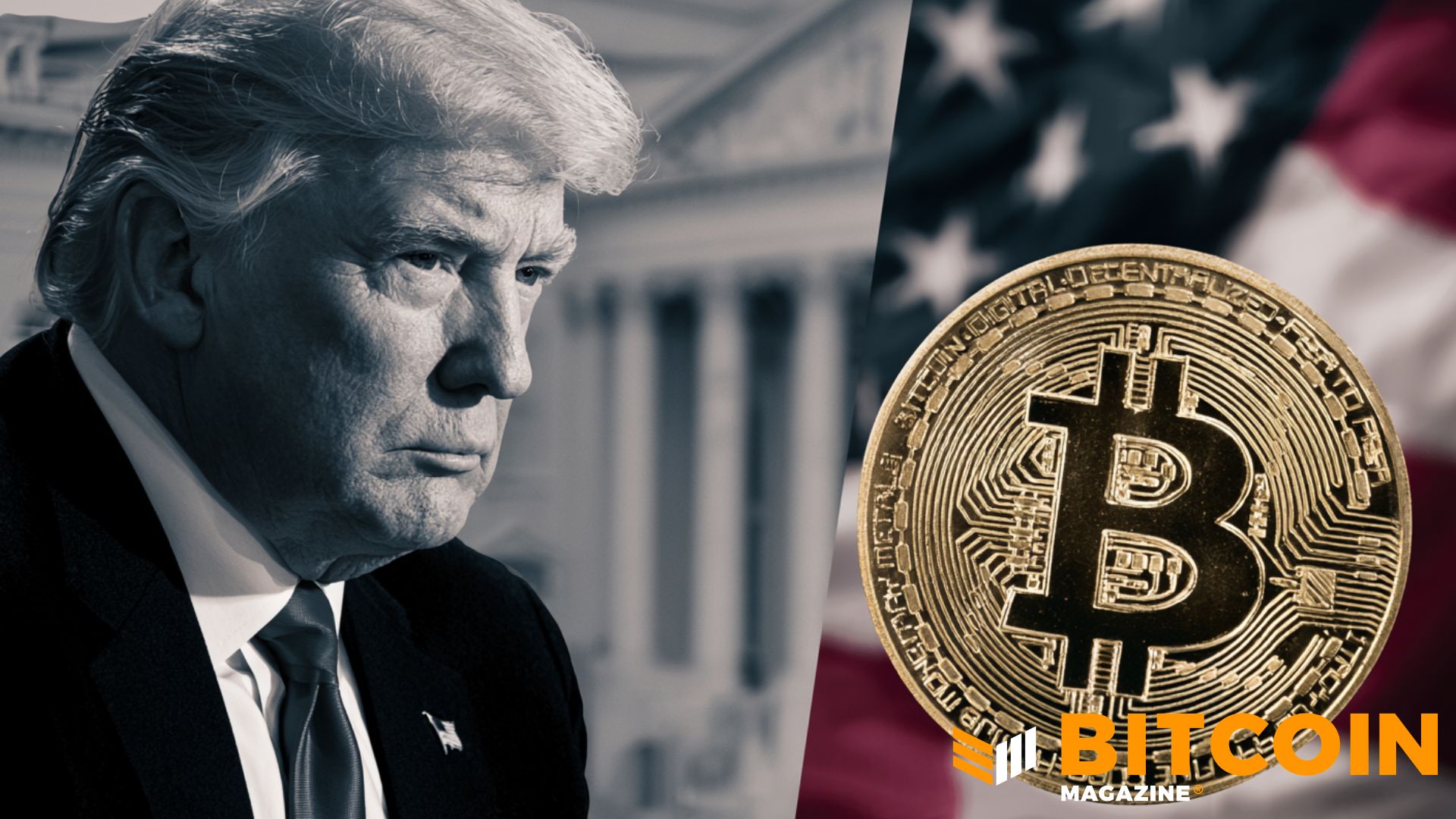
President Donald Trump issued an executive order, titled “Integrating Financial Technology Innovation into Regulatory Frameworks,” aimed at dismantling long-standing barriers preventing crypto and fintech firms from accessing the U.S. payment system. This directive positions the Federal Reserve and other financial regulators at the forefront of a contentious debate that has been developing over several years. The order mandates federal financial agencies to conduct a three-month audit of existing rules to pinpoint regulations that “unduly impede” fintech companies from collaborating with federally regulated institutions, with actions required within six months based on their findings.
At the heart of this executive order is the Federal Reserve’s stringent control over master accounts, which serve as the essential gateway to crucial payment rails such as Fedwire, responsible for facilitating high-value dollar settlements across the entire financial system. Historically, these accounts have been exclusively reserved for licensed depository institutions, a policy that effectively forced crypto companies seeking direct payment access to undertake the costly and complex process of obtaining state or federal banking charters.
The order specifically directs the Federal Reserve to undertake two critical tasks: first, to thoroughly evaluate the feasibility of extending its existing framework to encompass non-bank fintech and crypto firms; and second, to provide clear clarification on whether the 12 regional Federal Reserve banks possess the independent authority to approve or deny master account applications without explicit direction from the Board of Governors in Washington. This latter inquiry carries significant weight, as it raises the possibility that crypto firms could strategically seek approval from a more sympathetic regional Fed branch. This scenario notably materialized in March, when the Kansas City Fed granted a limited-purpose account to Payward, the parent company of Kraken, marking a significant milestone as the first crypto exchange to secure any form of Fed payment access. This approval, however, occurred before the Fed had finalized a broader policy framework, a timing that provoked considerable anger among traditional banking groups.
The Independent Community Bankers of America, represented by its president and CEO Rebecca Romero Rainey, highlighted that the executive order exposes “significant gaps in regulation” between traditional banks and non-bank entities. Rainey emphasized the principle that “Like activities should be subject to like regulation,” and advocated for the Fed to temporarily pause new policies concerning stablecoins, master accounts, and trust charters to comprehensively assess their cumulative impact. The Bank Policy Institute, which represents major U.S. banks, also expressed deep concern regarding the timing of Kraken's approval, underscoring the deep tensions now explicitly brought to the surface by Trump's order.
The Federal Reserve, while moving at a measured pace, has been working toward its own solutions. In December, it introduced a proposal for what it termed “skinny” master accounts. These restricted central bank accounts are designed to offer payment system access while deliberately excluding features such as interest on reserves or discount window borrowing. This proposed framework has, predictably, drawn divergent responses, with both the crypto industry and community banks advocating for rule adjustments that align with their respective interests, often pushing in opposing directions.
Ultimately, President Trump’s executive order imposes a strict 120-day deadline for the Federal Reserve to submit a formal report to the White House. This deadline effectively transforms what had previously been a protracted and methodical regulatory process into an immediate political imperative. By attaching a timer to an institution that highly values its independence, the Trump administration has significantly elevated the stakes in this ongoing debate over financial innovation and regulation.
You may also like...
Aston Villa Roars! European Glory Secured, Ending Three Decades of Trophy Drought

Aston Villa triumphantly ended their 30-year trophy drought, securing the 2025-26 UEFA Europa League title with a 3-0 vi...
Southampton Rocked: 'Spygate' Verdict Crushes Playoff Hopes, Players React with Fury and Grief

Southampton has been officially expelled from the Championship playoffs after their appeal against a 'spygate' punishmen...
Duffer Brothers' 'The Boroughs' Sci-Fi Horror Captivates Critics

Netflix's 'The Boroughs' reinvents the sci-fi horror dramedy, featuring a group of older residents who become unlikely h...
Shakira Shakes Up World Cup: Uganda's Ghetto Kids Invited to Halftime Spectacle

Ugandan dance group Ghetto Kids are set to captivate audiences alongside pop icon Shakira at the 2026 FIFA World Cup Fin...
Prime Video Unleashes London's Fastest Ever Car Chase in New Thriller

John Krasinski returns as Jack Ryan in the new spin-off movie, "Ghost War," alongside Wendell Pierce and Michael Kelly, ...
South Africa's Gautrain Makes Travel Accessible: Klevamova Spurs Growth
Gautrain's KlevaMova affordability product has seen significant uptake in its first year, attracting nearly 15,000 appli...
Unlocking New Horizons: Nigeria & China Forge Bilateral Tourism Growth
Nigeria and China are deepening their cooperation in tourism, heritage preservation, and the creative economy, aiming to...
Secretive AI Interface Startup Hark Secures Staggering $700M Series A

Hark, an AI lab, has raised a significant $700 million in Series A funding, pushing its valuation to $6 billion, to deve...