Atiku’s 2027 Promise: A Bold Bid to Restore ECOWAS Unity
Atiku Abubakar, a 2027 presidential candidate, pledged to bring Niger, Mali, and Burkina Faso back into ECOWAS and tackle Nigeria's insecurity within a year. He criticized President Tinubu's handling of the ECOWAS-Sahel crisis and the immediate removal of fuel subsidies, advocating for a more gradual approach to economic reforms.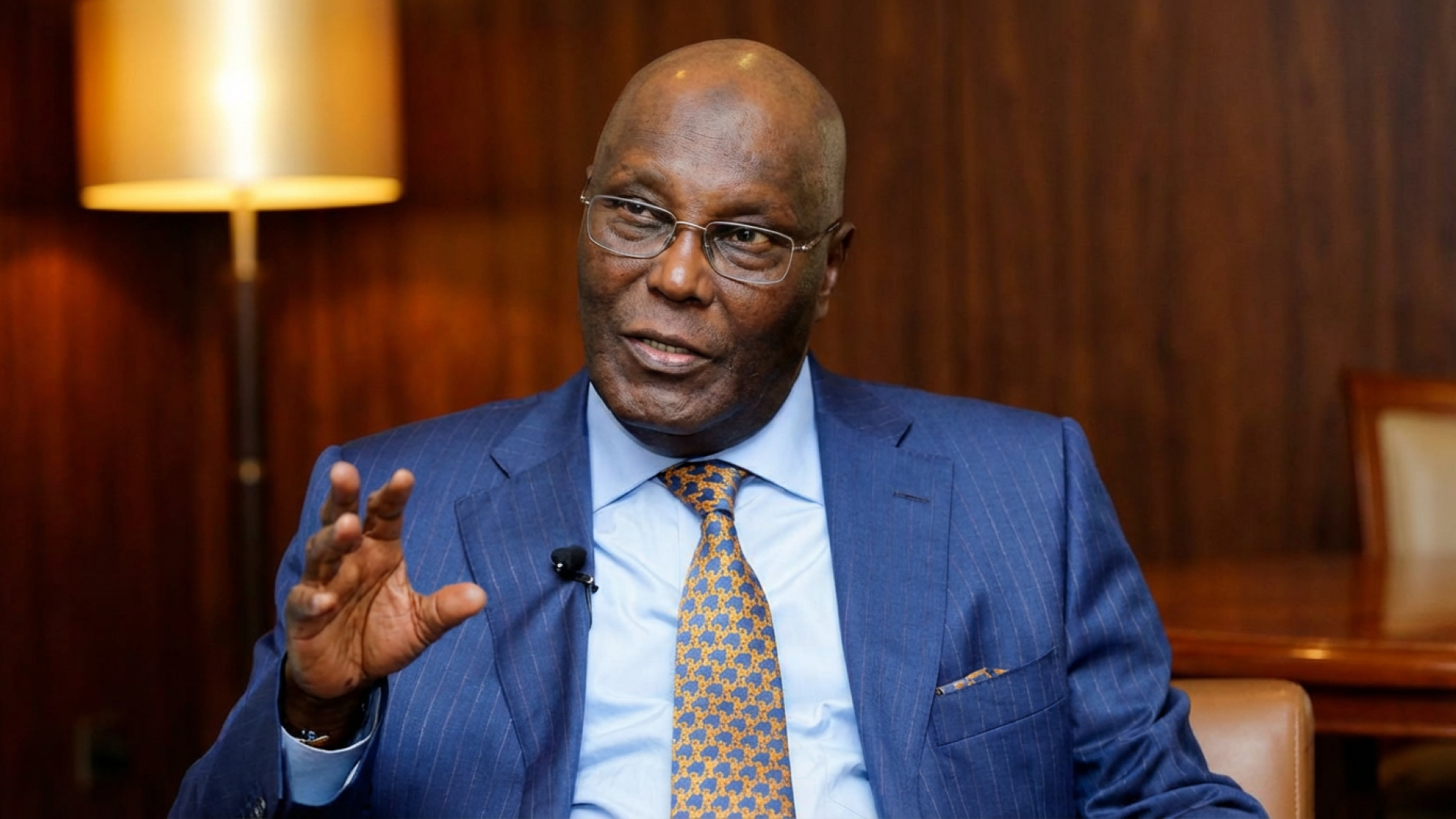
Former Vice President and African Democratic Congress (ADC) presidential candidate Atiku Abubakar has pledged to restore ties between ECOWAS and the three Sahel countries that withdrew from the regional bloc if elected president in 2027.
Atiku said his administration, if elected, would seek the return of Niger, Mali and Burkina Faso to ECOWAS while considering the deployment of the Economic Community of West African States Monitoring Group (ECOMOG) to strengthen regional security. He criticized the bloc’s response to the military coups in the three countries, arguing that dialogue and continued engagement would have been more effective than isolation.
Atiku also promised to confront Nigeria’s insecurity within one year through increased recruitment, better equipment for security personnel and greater regional cooperation against terrorism, banditry and kidnapping.
On the economy, he blamed the removal of the petrol subsidy for worsening poverty, unemployment and living costs, arguing that subsidy reforms should have been introduced gradually alongside measures to protect vulnerable Nigerians. His position contrasts with the Tinubu administration’s defence of the subsidy removal, which it has maintained was necessary to redirect public funds towards infrastructure and social interventions.
Atiku, 79, is seeking the presidency for the sixth time, having previously contested the 2007, 2019 and 2023 elections and unsuccessfully sought his party’s nomination in 2011 and 2015. His latest campaign combines criticism of the government’s economic and security policies with a broader foreign-policy proposal centred on rebuilding Nigeria’s influence within West Africa.
With President Bola Tinubu expected to seek re-election, Atiku’s pledge to repair ECOWAS relations and reshape Nigeria’s regional security strategy could become a significant part of the policy contest ahead of the 2027 election.