Are Memes the New Folklore of Digital Culture?
Are memes the new folklore of the age? Read and know whether internet memes have replaced traditional African folklore, exploring nostalgia, storytelling traditions, and how digital culture is reshaping the way stories are shared.
You probably remember it, even if you have not thought about it in years.
You know that very feeling and moment when someone begins a story with the popular intro “Once upon a time…” and everyone will unanimously chorus it and listen to the story that came after it.
Ooh, the good old days, there were different stories, from the story about the clever tortoise, the stubborn hare, or even a wandering spirit in the forest.
You might have heard many of these stories a dozen times already, but that did not matter. Somehow back then it always pulled you in, because everytime someone told the story there was a new layer added or was even removed.
And it was always intriguing
That was the magic of folklore, the one I grew up with and I guess you had that experience too.
Back then we all knew the stories were exaggerated. You would have questioned the fact that the tortoise probably never really tricked half the animals in the forest.
But the stories were never about factual accuracy. They were about imagination, wisdom, and the thrill of storytelling itself.
Think back to primary school. You remember the novels that teachers handed out for the term.
The excitement was not just about reading; it was about anticipation of what the next story would be.
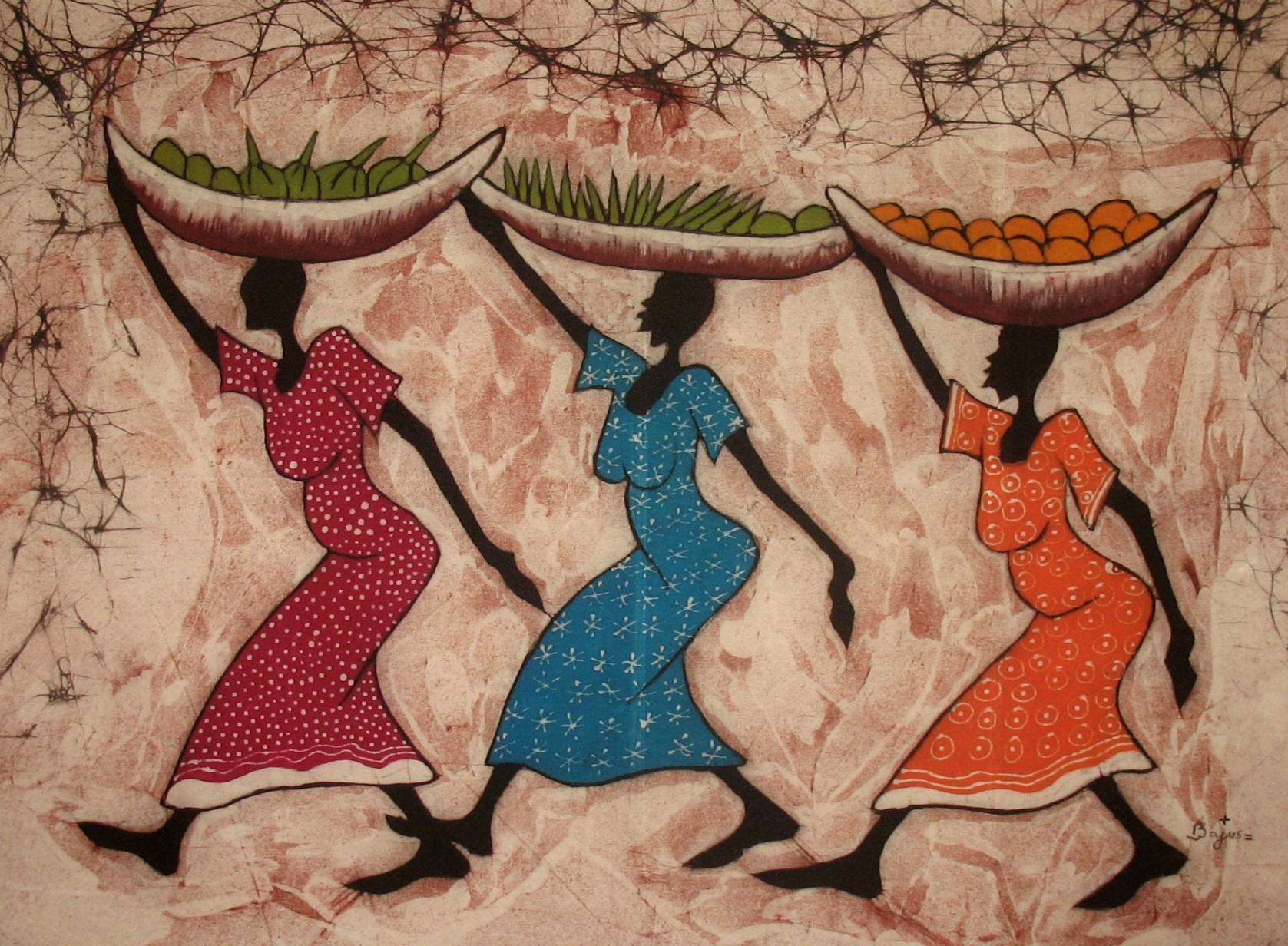
You waited to discover what story the next chapter would unfold. Sometimes the stories carried lessons.
Sometimes they simply entertained, but either way, they stayed with you.
And then there were the stories from the elders.
Culture
Read Between the Lines of African Society
Your Gateway to Africa's Untold Cultural Narratives.
Stories told in living rooms, under evening skies, or during family gatherings. Stories that circulated among friends in school corridors and playgrounds. Stories whose origin no one could quite trace.
Nobody knew exactly who started them. Nobody knew whether they were entirely true.
But everyone knew the story.
Folklore lived in repetition. It moved from mouth to mouth, generation to generation. It carried myths, legends, warnings, humour, and imagination all at once.
So it is worth asking a simple question today. Where did those stories go? When did we stop telling them? When did we stop hearing them?

When and how did “Once upon a time” slowly disappear from everyday life?
The Meme Age: Fast, Funny, and Everywhere
You already know how it goes, when you open your phone today.
Within seconds of just putting on your WiFi connection, you will probably see a meme popping from screen, posted by a friend, an acquaintance or even a blog.
It could be a sarcastic caption over a photo, a short video remix, or a familiar image paired with a new joke.
Sometimes the meme could be about politics, relationships and in some cases it could just be an absurd humour that makes no logical sense but still spreads like wildfire.
Memes have flooded the internet, there is no doubt about that and their speed is astonishing.
A meme created in one corner of the world can reach millions of people within hours.
By the next day, it has already evolved into new variations.
Culture
Read Between the Lines of African Society
Your Gateway to Africa's Untold Cultural Narratives.
People would have remixed it, reinterpreted it, and reposted it across different social media platforms.
In many ways, memes behave exactly like folklore once did.
They circulate through communities. Their origin is often unclear. They are repeated, modified, and passed along. No single person truly owns them.
But there is one important difference. When folklore is told, it requires your attention and actually needs you to listen.
The laughter is still there, of course. Memes can be genuinely funny, sometimes even painfully accurate about everyday life.
They capture the mood of a generation in ways that traditional storytelling never could.
Yet sometimes it is actually that we all take a break and reflect if we are actually laughing the same way we used to?
If it's still that same innocent and carefree laughter.
Or are these laughs shorter, faster, and quickly forgotten?
In the new age of digital culture, humour travels faster than ever. But speed does not always leave room for depth.
The Future of Storytelling: What Are We Losing?
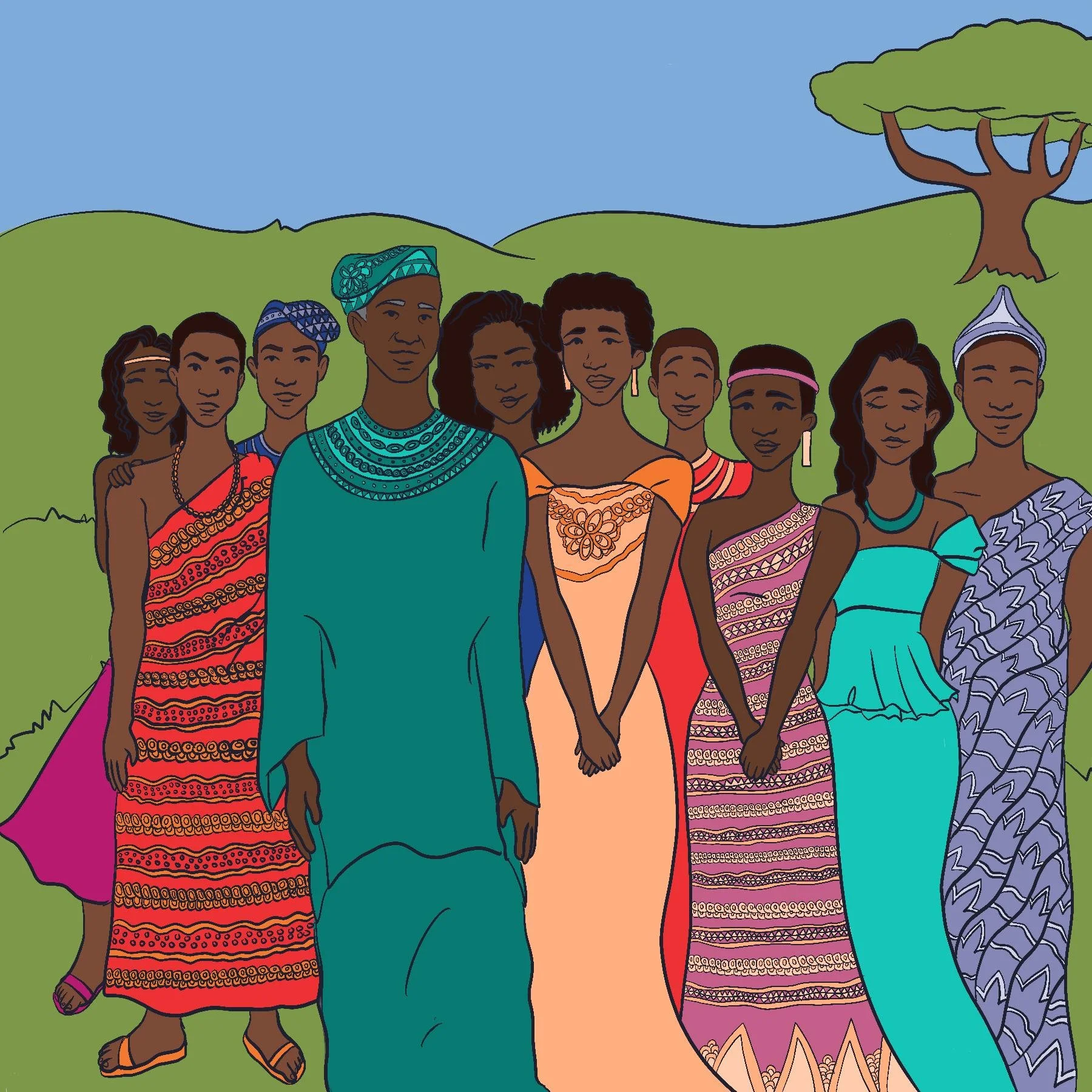
Culture does not disappear overnight, it evolves and in some cases disappears from plain sight slowly.
So perhaps memes are not replacing folklore entirely, maybe they are simply transforming the way stories move.
But there is still something worth thinking about.
Culture
Read Between the Lines of African Society
Your Gateway to Africa's Untold Cultural Narratives.
African culture has always been deeply rooted in storytelling.
Myths, legends, proverbs, and folktales were not just entertainment.
They carried moral lessons, cultural memory, and communal identity.
Through storytelling, children learned patience from the tortoise’s cunning habits.
They learned consequences from the arrogance of certain characters. They learned how communities functioned and how they should actually behave.
Stories shaped values.
Memes, on the other hand, rarely aim to teach. They entertain, critique, mock, and sometimes even protest.
But they rarely carry the long narrative threads that folklore once held.
Which raises another question. If storytelling becomes shorter and shorter, what happens to the deeper cultural messages that stories once carried?
Will the next generation grow up knowing the myths and legends that shaped earlier generations?
Or will our cultural stories slowly fade behind endless timelines of digital humour?
Memes might be the folklore of the internet age. They reflect our anxieties, our jokes, and our shared experiences online.

But folklore once did something more powerful.
It made people pause, gathered listeners and created moments where stories unfolded slowly and meaningfully.
Culture
Read Between the Lines of African Society
Your Gateway to Africa's Untold Cultural Narratives.
So perhaps the future is not about choosing between folklore and memes.
Perhaps it is about remembering that storytelling still matters.
Because whether through oral tradition, books, or even digital platforms, cultures survive when their stories continue to be told.
And maybe, just maybe, the next time someone begins with “Once upon a time,” we should still be willing to listen and not look at them as old school.