Iran's Crypto Boom as Tehran Faces Attacks
The recent U.S.-Israeli strikes on Tehran triggered a 700% surge in crypto outflows from Iran's largest exchange, Nobitex, as citizens bypassed sanctions and sought capital flight. Bitcoin's price experienced significant volatility, plunging and then partially recovering amidst the unfolding geopolitical events and subsequent Iranian retaliation. This crisis highlights cryptocurrency's dual role as both an escape mechanism from state control and a battleground in financial warfare.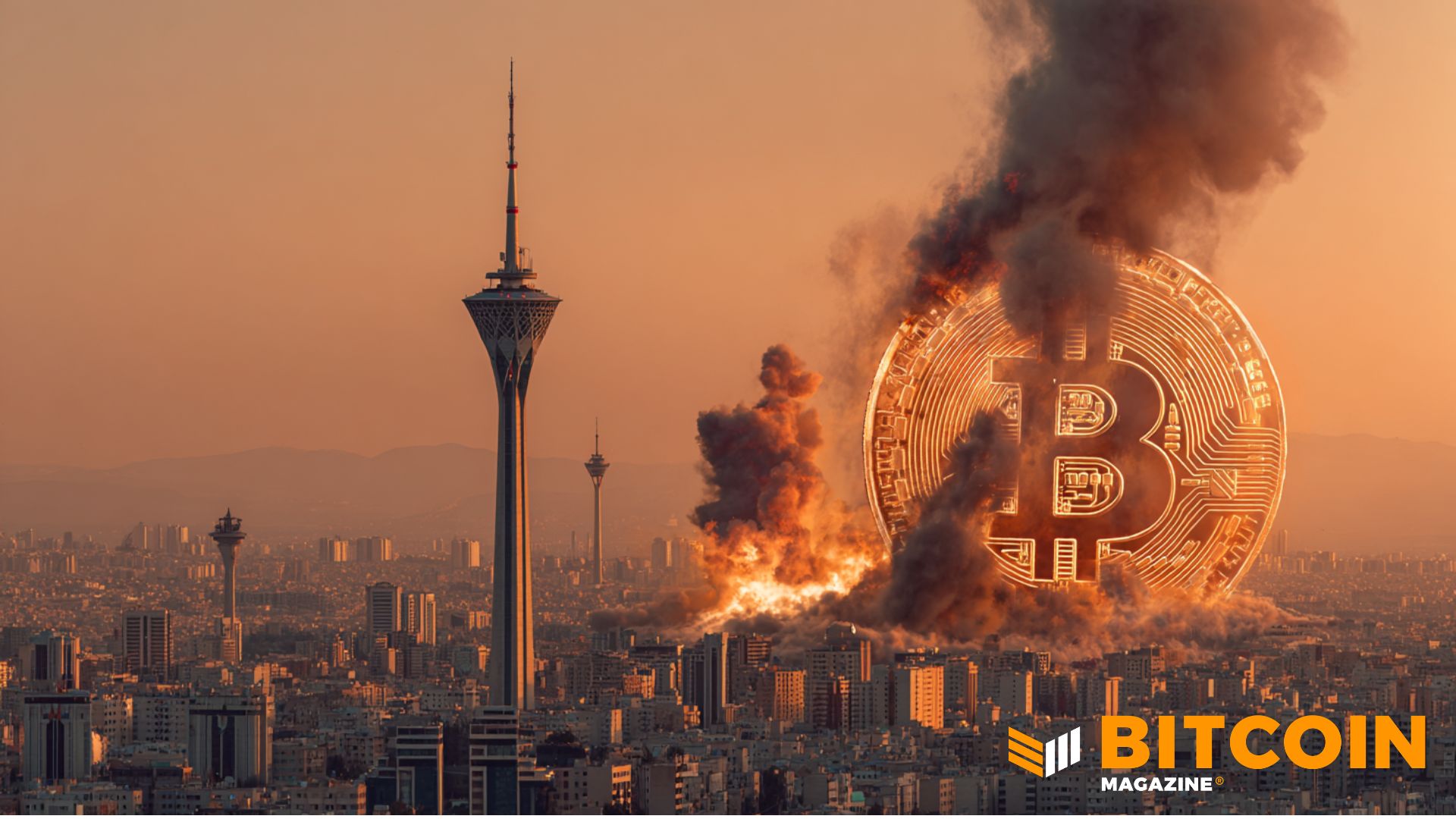
Following the first joint U.S.-Israeli missile strikes on Tehran, Iran witnessed an immediate and dramatic surge in cryptocurrency outflows.
Blockchain analytics firm Elliptic reported a 700% spike in crypto withdrawals from Nobitex, Iran’s largest cryptocurrency exchange, within minutes of the attacks on Saturday morning.
The sudden movement signaled real-time capital flight, as individuals sought to move assets beyond the reach of a country under active military assault.
Nobitex, which processed $7.2 billion in transactions in 2025 and serves more than 11 million users, functions as a critical bridge for Iranians converting rials into crypto and transferring funds to external wallets, effectively bypassing the heavily sanctioned domestic banking system.
Elliptic’s blockchain tracing showed funds flowing to overseas exchanges historically associated with Iranian inflows, confirming outbound capital movement.
Similar spikes had occurred earlier in the year during anti-regime protests, internet blackouts, and new U.S. sanctions announcements each episode reinforcing crypto’s role as a financial escape valve.
According to Elliptic co-founder Dr. Tom Robinson, such patterns likely represent capital flight that circumvents traditional financial controls, underscoring how digital assets operate parallel to formal banking channels during crises.
The strikes, known as Operation Roaring Lion by Israel and Operation Epic Fury by the Pentagon, targeted nuclear facilities, missile infrastructure, and strategic sites in Tehran, including the Pasteur district.
Iranian authorities later confirmed the death of Supreme Leader Ayatollah Ali Khamenei and other senior officials.
Global crypto markets reacted sharply. Bitcoin dropped nearly 5% within minutes, falling from around $67,000 to below $64,000, while total crypto market capitalization declined by approximately $128 billion amid forced liquidations.
Market Volatility and Strategic Positioning
A brief rebound followed, with Bitcoin climbing above $68,000 on speculation that leadership decapitation might limit the conflict’s duration.
However, the rally faded as Iranian retaliatory missile and drone attacks against Israel, Gulf states, and U.S. bases signaled prolonged escalation.
By Sunday afternoon, Bitcoin stabilized near $65,300, later testing the $70,000 level.
Analysts noted that open interest rose on February 28, indicating traders were adding positions and suggesting geopolitical risks had been largely priced in, particularly as U.S. equities opened slightly positive on Monday.
Despite surface resilience, derivatives markets revealed caution.
On Deribit, approximately $1.9 billion in Bitcoin put options clustered around the $60,000 strike price, signaling demand for downside protection among institutional participants.
Market observers argued that Bitcoin’s behavior during the crisis complicated its traditional classification as a high-beta tech proxy.
Instead, its role increasingly mirrors that of a hedge against counterparty and sovereign risk, similar to patterns observed during the 2023 regional banking turmoil.

Beyond digital assets, the conflict sent shockwaves through global energy markets. Iran’s Islamic Revolutionary Guard Corps announced a ban on vessel movement through the Strait of Hormuz, a chokepoint responsible for roughly 20% of daily global oil supply, pushing oil futures sharply higher.
Goldman Sachs projected crude could reach $100 per barrel if hostilities persist.
The unfolding crisis highlights crypto’s dual nature: while it enables individuals in sanctioned economies to safeguard wealth outside state control, it also places digital finance at the forefront of a broader geopolitical and sanctions-driven financial confrontation.