AI Infrastructure Faces FIERCE Public Backlash As Resistance Mounts
Growing discontent over the proliferation of server farms, fueled by the AI boom, is pushing states and communities nationwide to consider or implement moratoriums on new data center development. Legislators, environmental concerns, and energy affordability issues are driving this pushback, even as tech giants invest billions and try to influence public opinion.
Across the United States, a growing wave of public anger is reshaping legislative agendas as communities push back against the rapid expansion of data centers driven by the artificial intelligence boom.
This backlash has prompted proposals for temporary bans on new server farm construction, including a landmark bill in New York State that seeks a three-year moratorium on new permits.
Lawmakers behind the proposal argue that the pause would allow regulators to fully assess the environmental, economic, and social impacts of these facilities.
While no statewide moratorium has yet been enacted, local governments are moving faster. Cities such as New Orleans and Madison, Wisconsin, have already implemented one-year bans following protests, with similar measures emerging in technology development hubs across Georgia, Michigan, and other states.
What began as environmental activism has now evolved into a broader political and public debate about the cost of powering the AI revolution.
The resistance has drawn bipartisan attention, reflecting both environmental concerns and growing populist skepticism toward tech industry expansion.
Conservative and liberal leaders alike have entered the debate, with some proposing policies to empower communities to block data center construction, while others advocate nationwide restrictions or the removal of tax incentives long used to attract tech investment.
This political shift coincides with unprecedented infrastructure spending by major technology companies, including Amazon, Google, Meta, and Microsoft, which collectively plan to invest approximately $650 billion in capital expenditures over the next year, much of it dedicated to expanding data center capacity.
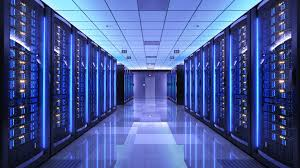
However, public sentiment is increasingly divided, with polling showing more Americans oppose local data center construction than support it, driven by fears over environmental damage, rising energy costs, and insufficient local benefits.
At the core of community opposition are concerns about energy consumption, environmental degradation, and infrastructure strain.
Data centers require enormous amounts of electricity and water to operate, raising fears about rising utility costs, water shortages, and pollution.
In response, technology companies have begun investing in measures to mitigate their impact, including pledges to fund upgrades to local electrical grids and develop private energy sources to power their operations.
This so-called “shadow grid” approach involves constructing independent power systems to reduce reliance on public infrastructure.
However, these solutions have also drawn scrutiny. In Memphis, Tennessee, Elon Musk’s AI startup xAI faced regulatory action after installing methane gas turbines to power its massive data center without proper permits.
Triggering environmental backlash and legal threats from activists concerned about pollution and public health risks.
The debate also extends to the economic incentives that have historically encouraged data center development.
For years, states offered generous tax breaks to attract tech firms, forfeiting billions in revenue in the process.
Now, lawmakers in several states are reconsidering those policies, arguing that the financial benefits no longer justify the environmental and infrastructure costs.
Some legislators believe eliminating tax exemptions could generate significant public revenue and reduce strain on local resources, while others continue to support incentives as a means of attracting investment and creating long-term economic value.

Ultimately, the surge in data center construction has exposed a critical tension between technological progress and community sustainability.
As governments, corporations, and citizens grapple with the consequences of AI’s rapid growth, the future of data center expansion will likely depend not only on technological demand but also on public trust, environmental responsibility, and equitable economic outcomes.