African Folklore Returns to Life Through Comics and Streaming
African creators are reviving folklore through comics, animation, and streaming, transforming ancient myths into modern art. Across the continent, storytellers are reclaiming their heritage and reshaping global perceptions of Africa through digital creativity.
From Oral Tales to Digital Screens
For generations, Africa's history had been retold through words alone. Picture children huddled around the elders, listening to moonlight tales, Anansi the Spider's wacky exploits in West Africa, Queen Nzinga's defiance in Central Africa, Kaggen's cleverness down south. They were not just stories. They taught children what was right and what was wrong, shaped how they knew themselves, and made every evening a living classroom. Elders kept the tales alive, spinning new ones in the hearthlight. But then colonial powers showed up, and schools started pushing Western books. Suddenly, local stories faded into the background.
Now, things are flipping. The "campfire" is not a campfire anymore. It's the glow of laptops, tablets, and cell phones. Throughout the continent of Africa, young authors are digging out these old stories and bringing them back to life in new forms, through cartoons, comics, radio shows, digital paintings. Stories nearly lost are blazing back, more loudly and colorfully, getting the attention of people everywhere in the world.
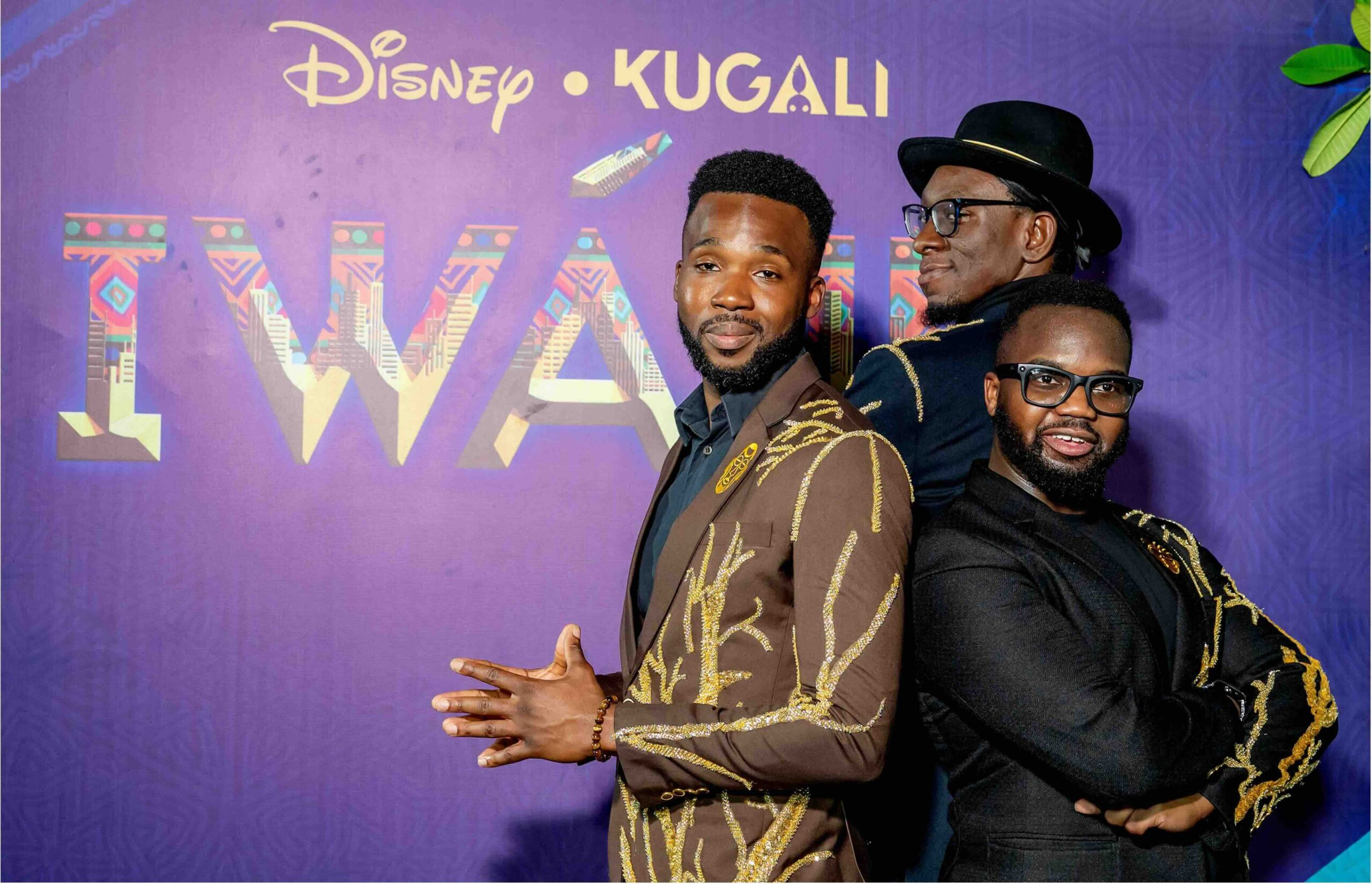
You can feel the shift. YouTube, Netflix, Showmax—they're all picking up African myths shows. Disney even entered the ring with an agreement with Kugali Media to deliver Iwájú—a sci-fi animated film rich in African design and storytelling. Independent studios such as Nigeria's Spoof Animation and South Africa's Triggerfish are making folklore-fueled blockbuster hits that are resonating far across the continents.
Digital media is not just perpetuating these tales, it's revving them up. Artists are stretching out old myths into new shapes, turning ancient heroes into space-age legends or inserting eternal parables into city jungles. Thanks to tech, these tales aren’t just sticking around, they’re spreading, helping Africa carve out its own space in a world that’s been heavy with Western myths for way too long.
There’s something else in the air, too. More and more young Africans are telling their own stories, and you can feel the pride building. They don’t need a stamp of approval from the West anymore. Suddenly, folklore—once dismissed as “primitive”—is a source of pride, creativity, and real identity. The old tradition of telling stories out loud has found a new rhythm. Now, the voices of Africa’s ancestors echo on screens everywhere, not just around the fire.
The Rise of Digital Storytellers and Visual Creators
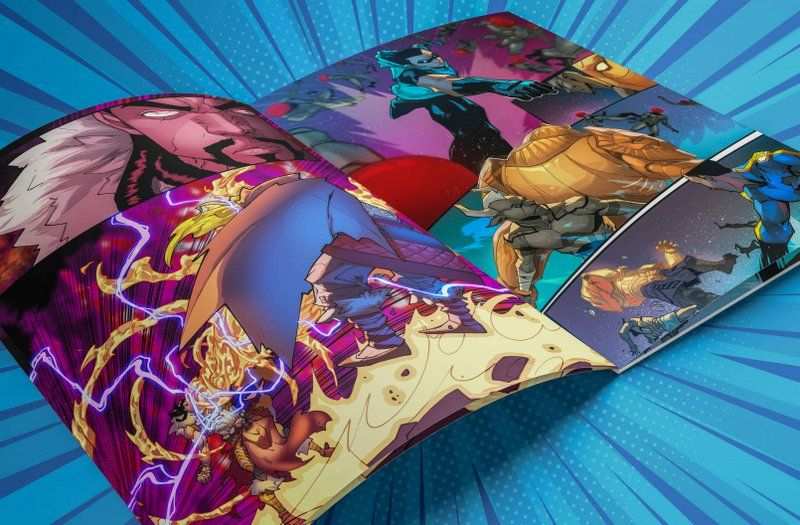
There’s something electric about the way digital art and visual storytelling rooted in folklore are taking off right now. African illustrators, animators, and writers aren't just reproducing old myths and heroes, they're appropriating creative technology and claiming these stories for themselves. Take Nigeria's Comic Republic, for example. They’ve built an entire superhero universe inspired by Yoruba mythology, mixing ancient gods with the chaos and colors of modern Africa. In Ghana, Leti Arts is using folklore and turning it into political and societal commentary digital comics. And look at Kenya, Uganda, South Africa, you get independent artists jumping onto platforms like Webtoon, Instagram, and Tapas, reaching millions without a gatekeeper's seal of approval.
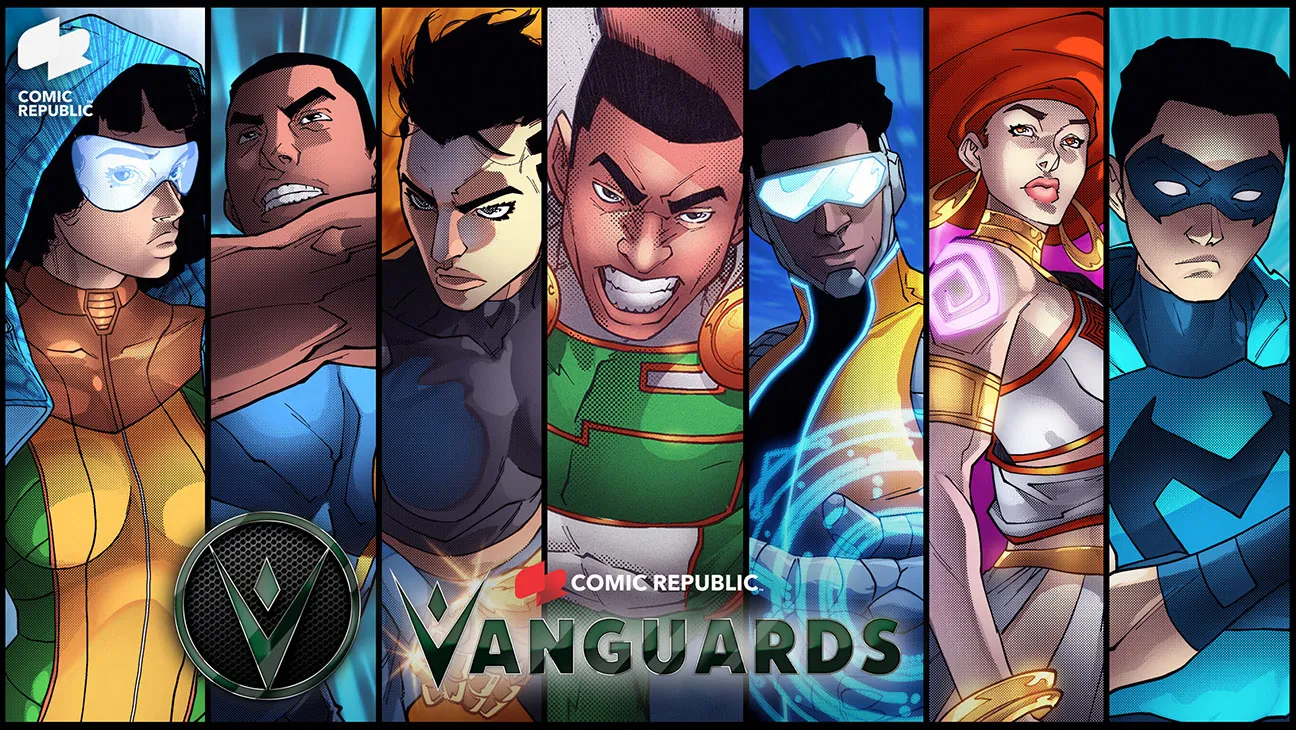
These artists aren't merely reviving folklore on life support; they're injecting it with a defiant new energy. Look for classic symbols blended with Afro-futurist ideals, gods and spirits transformed into digital-era protectors, fighters, even environmental heroes. Imagine a Maasai spirit in neon battle gear, policing a metropolis of tomorrow, or Anansi the trickster, now a cyber-sleuth who roots out corruption. It's fearless, and it's resonating with a generation that's wired but still yearns to connect with something ancestral.
And there’s real money here, not just inspiration. Digital marketplaces, NFTs, and crowdfunding let African artists earn straight from their work. This is not just a trend, it's turning into a sustainable creative economy that is respectful of culture and keeps artists independent. Social media, of course, is revolutionary. Artists who once held out for gallery showings can now sell art to the world with a single post.
There's more: creative hubs and art schools are opening up everywhere. The African Digital Art Network, Nairobi Comic Convention—places like these offer mentorship and a stage for young artists hungry to tell visual stories. International partnerships are opening new doors too, letting African creators show their folklore-inspired projects on global platforms.
But at the heart of all this energy is something deeper: the need to define their own culture. For way too long, African stories came through outside lenses—mysterious, simplified, or just invisible. And now, digital storytellers are flipping the script. They're proving Africa is not just one story; it's thousands, interconnected. With their pencils, tablets, and screens, they're making folklore into something more than memory, it's a bold, never-ending declaration of who they are.
Reclaiming Identity Through Modern Storytelling
At the heart of it, the revival of African folklore in streaming and comics is about taking the story back, owning the symbols, the words, the heart of it all. For too long, colonial and Western media twisted these tales, pulling them out of shape, treating them like curiosities instead of living philosophies. That’s changing fast. African storytellers are plugging holes, saving classic myths, giving them new breath, and giving digital art a depth, something that truly means something.
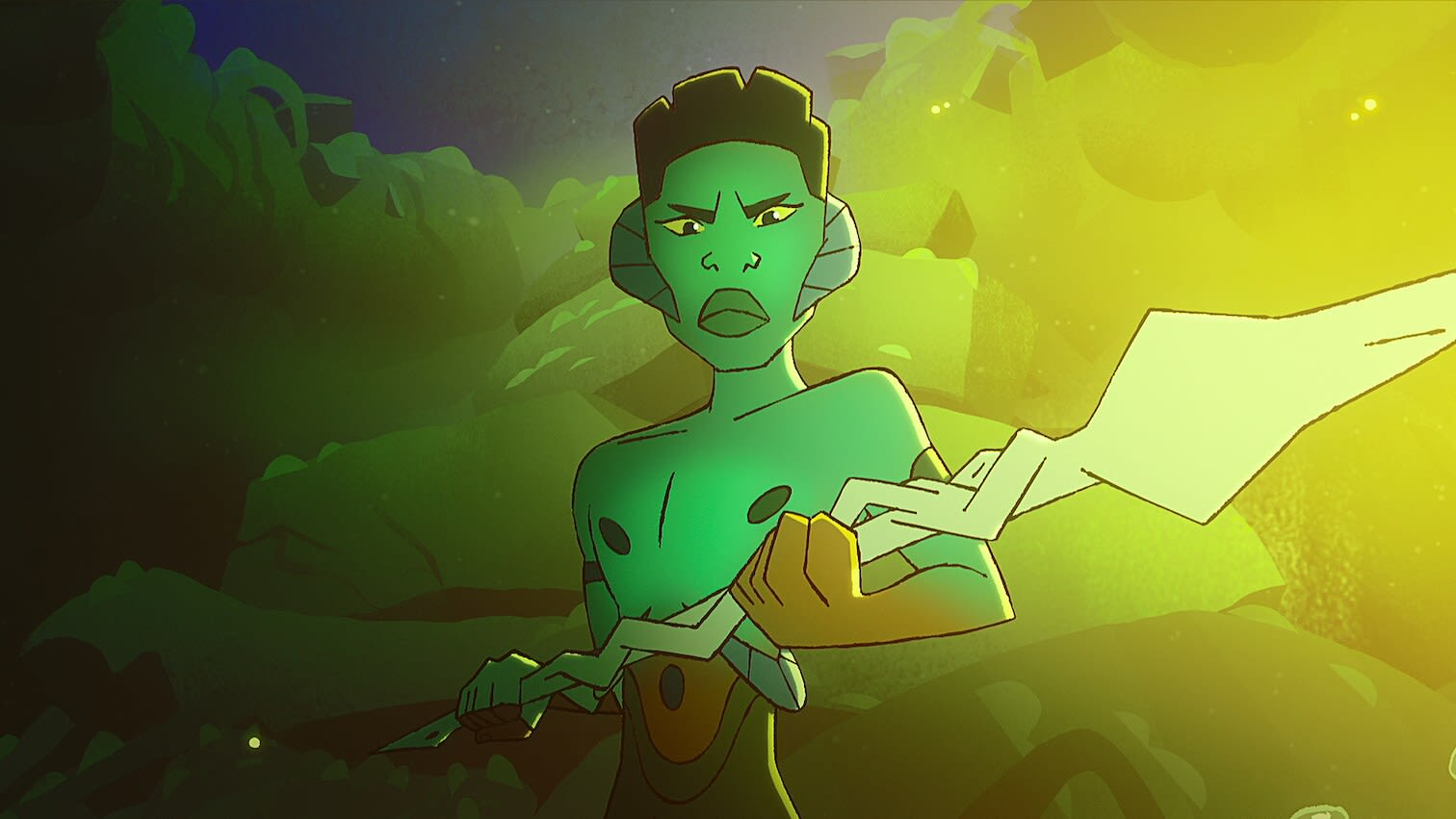
It's not about art for the sake of art. It's rewriting how children grow up, how they think about themselves. In schools across Ghana, Nigeria, South Africa, teachers are bringing folklore into the classroom, animating and telling digital stories to make it stick. All of a sudden, those old morality tales and that cultural ego aren't in a book anymore, they're fact. Consider a child watching a Zulu myth on YouTube or reading a comic with the Yoruba deity Oshun. They're not just hearing a story; they're reading about themselves as the protagonist. That makes a difference, particularly at a moment when most stories kids watch are coming from somewhere else.
Streaming platforms are pushing this movement. Nairobi’s animation festivals, film showcases in Accra, African folklore is right up front. Look at Kizazi Moto: Generation Fire. Disney backed it, but it’s packed with African sci-fi and myth, reinvented and bold. It’s proof of how far creative voices from the continent have come. These stories are flipping the script on what people think Africa is, not just struggle, but a place rich with wisdom and new ideas.
But it’s bigger than entertainment. Folklore holds deep lessons, about community, about what’s right, about who we are. That stuff matters, maybe now more than ever. Digging back into these old stories, people find answers for today’s problems: corruption, gender, climate change. Balance and respect stories have a new bite in a world of technology and inequality.

In the end, this is not just a trend, this is proof that storytelling continues to be one of Africa's greatest weapons of survival. The digital animators, illustrators, storytellers, they're not just sustaining the tradition. They’re reshaping what African heritage means and taking it global. The ancestors’ drumbeat isn’t just around the fire anymore. Now, it’s everywhere, running through the digital world.