Africa’s Growth Rebound: Signs of Strength Amid Global Unrest
Africa’s economy is rebounding, with GDP growth set to hit 4% in the later months of 2025. Discover the key drivers, top-performing countries, and what this means for the continent’s path to self-reliance.

INTRODUCTION – A Quiet but Powerful Comeback
While much of the world braces for an economic slowdown, Africa’s economies are quietly picking up speed. After posting a 3.3% GDP growth rate in 2024, the continent is now expected to approach 4% in the later months of 2025, with some optimistic forecasts pushing the figure as high as 4.4%, according to the African Development Bank.
This momentum isn’t a stroke of luck. It’s the product of policy reforms, rising domestic consumption, and the sweeping effects of the African Continental Free Trade Area (AfCFTA) breaking down barriers and boosting intra-African commerce. Far from a passive participant in the global economy, Africa is shaping its own recovery story, and, in the process, charting a path toward greater self-reliance and resilience.
This significant rise in Africa’s GDP shows a trend: sustained, deliberate action from policymakers, coupled with strategic governance, can reshape the continent’s economic trajectory. It reflects the tangible impact of reforms can bring in improving the ease of doing business, investing in infrastructure, and nurturing homegrown industries. This growth is not merely an abstract figure, it signals the potential for millions of new jobs, stronger local markets, and reduced vulnerability to external economic shocks.
The Numbers That Tell the Story
The data points are as clear as they are compelling. The African Development Bank projects the continent’s average GDP growth will climb to nearly 4% in 2025, marking a steady upward trend. Digging deeper, with reports that are significantly showing that 21 African nations are on track to post between 5% and 7% growth—a pace that would make many developed economies envious.
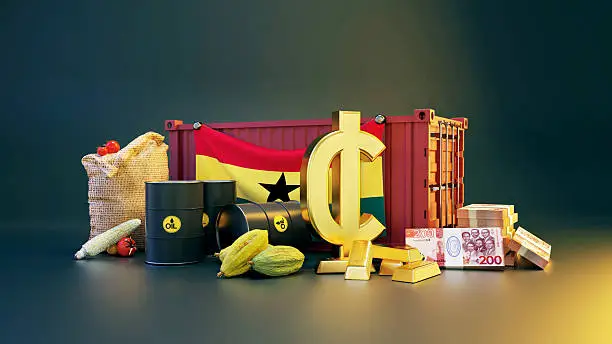
Photo Credit : Istockphoto
The contrast is striking. While major economies in Europe, North America, and parts of Asia grapple with stagnation or recessionary pressures, Africa’s growth engine is revving up. The drivers? A potent mix of rising private consumption, the trade and investment opportunities unlocked by the African Continental Free Trade Area (AfCFTA), and an emphasis on domestic resource mobilization that reduces reliance on external aid and debt.
These aren’t just headline figures, they’re signs of a deeper economic shift, where African markets are powered less by global winds and more by internal momentum and if Africans braces up and put more reforms in plac, there will be coming surge of rise in the GDP of the continent.
Africa’s economic growth isn't just tied to one growths, its s collaborative effort by various countries to assist one another in ensuring growth and building momentum in various economics across the continent just like we see in the EU collaborative effort to ensure trade free restriction and movement.
Drivers of the Growth Surge
Africa’s growth rebound isn’t running on fumes, it’s built on structural shifts that are reshaping the continent’s economic DNA and this should be sustained to change the economic outlook of the continent.
Trade Integration is at the heart of the transformation. The African Continental Free Trade Area (AfCFTA) is steadily dismantling cross-border barriers, making it easier for goods, services, and investments to move within the continent. This is fostering regional value chains that keep more wealth circulating in Africa rather than flowing overseas.
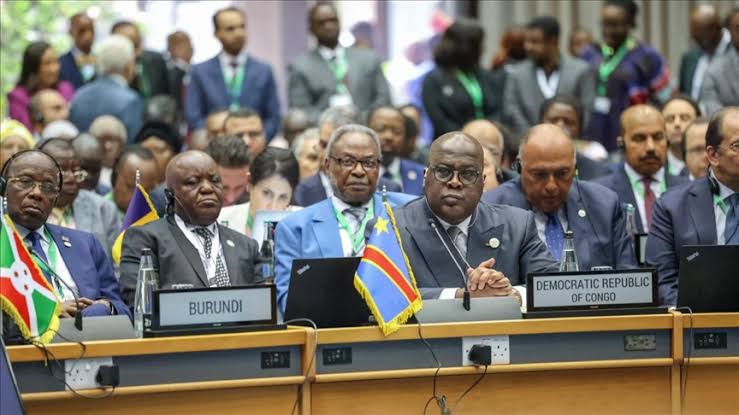
Photo Credit: Google Image
On the governance front, policy reforms are paying off. Countries are streamlining business registration, tightening fiscal management, and improving the rule of law, moves that signal to investors that Africa is open for sustainable business, not just quick wins.
The human factor matters just as much. Consumer power is rising, driven by rapid urbanization, one of the world’s youngest populations, and a growing middle class eager to spend on quality goods and services.
Then there are the strategic sectors leading the charge: renewable energy projects powering the transition away from fossil fuels, agritech innovations boosting food security, fintech solutions expanding financial inclusion, and manufacturing hubs capable of supplying both domestic and export markets.

Together, these forces are not only fueling growth, they’re rewriting Africa’s economic story.
Case Studies – Who’s Leading the Pack?
The real concern shouldn't be about who is leading the pack, its time for every nation across the continent to ensure strategic reformation about their economy situations and seal loopholes such as corruption and over dependence on foreign aids.
Across the continent, certain economies are setting the pace and showing what Africa’s growth future could look like in practice.
East Africa is buzzing with momentum. Ethiopia, Rwanda, and Kenya are pouring resources into infrastructure, roads, rail, and energy grids, while aggressively expanding their digital economies. From mobile banking in Nairobi to drone-delivered medical supplies in Kigali, the region is proving that innovation can scale fast when supported by policy and investment.
In West Africa, Côte d’Ivoire and Senegal are betting on value addition. Instead of exporting raw cocoa or groundnuts, they’re building capacity for agricultural processing, keeping more profits within their borders. Both countries are also making serious moves in clean energy, laying down the kind of power infrastructure that can support industry for decades.
Down in Southern Africa, Botswana and Namibia are leaning into the green transition. Botswana’s diamond industry is moving toward ethical and transparent sourcing, while Namibia is emerging as a leader in green hydrogen production—a sector attracting billions in foreign investment. Both nations are also harnessing critical minerals vital for global battery and EV manufacturing.
These examples are more than success stories, they’re blueprints for other African states aiming to turn potential into performance.
Why This Matters Beyond GDP
Africa’s rebound is more than just a numbers game. Behind the GDP charts is a deeper story of economic sovereignty—a slow but deliberate shift away from dependence on foreign aid and the boom-and-bust cycles of raw commodity exports.
Across the continent, governments and entrepreneurs are building industries that can stand toe-to-toe with global competitor from homegrown fintech solutions that rival Silicon Valley offerings to agritech innovations tailored to Africa’s unique climates.
This transformation is also rebranding Africa’s place in the world economy. With abundant natural resources, a youthful workforce, and a rising middle class, the continent is becoming a future investment hub. In a global order where supply chains are being rewritten and new markets are emerging, Africa is no longer just participating—it’s positioning itself to lead.
This momentum is also reshaping how Africans see themselves and their economic potential. The narrative is shifting from one of external rescue to one of internal capability, where innovation, trade, and collaboration are driven by African priorities. As regional blocs strengthen ties and technology bridges geographic gaps, the foundation for a self-sustaining economic future is being laid, one that could weather global shocks and still deliver prosperity from within.
The Caution Flags
The optimism is real, but so are the challenges. Inflation driven by lingering global supply chain disruptions and currency fluctuations continues to squeeze households across multiple countries. Food security remains fragile, especially where reliance on imported staples makes prices volatile.
Then there’s the climate challenge. Shifting rainfall patterns, prolonged droughts, and flooding threaten not only agriculture but also the infrastructure gains that underpin growth.
Finally, political instability in certain regions poses a risk to the momentum. While most African economies are on a reformist track, conflict or governance breakdown in a few hotspots could send ripple effects across borders.
The growth rebound is promising, but sustaining it will require navigating these headwinds with the same strategic focus that sparked the recovery in the first place.
Equally important will be ensuring that growth is inclusive. Without deliberate investment in education, healthcare, and social safety nets, the benefits of this rebound could remain concentrated, leaving vulnerable populations behind and undermining long-term stability.
CONCLUSION – The Road to Self-Reliance
Africa’s accelerating growth is more than just a statistical rebound, it’s evidence of a deeper, structural transformation. From integrated trade corridors to thriving domestic markets, the continent is charting a path less dependent on external forces and more rooted in its own ingenuity.
The shift is deliberate: strategic reforms, bold investments, and a renewed focus on intra-African cooperation are rewriting the economic playbook. Challenges remain, but the trajectory is clear.
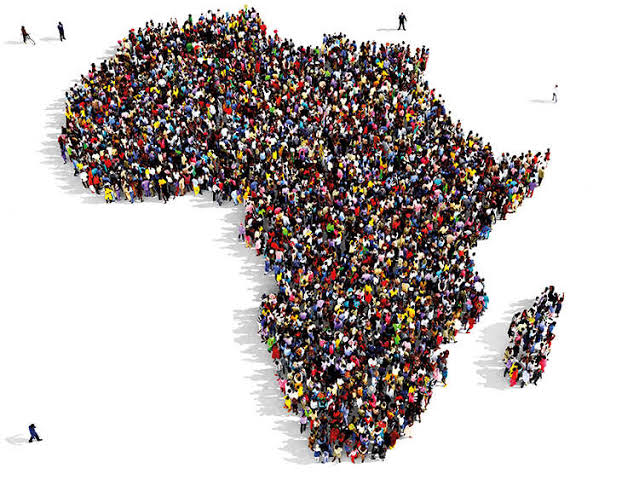
Photo Credit: Google Image
This moment also offers a chance to redefine Africa’s narrative on the global stage. Instead of being viewed primarily through the lens of aid, crisis, or extraction, the continent can present itself as a hub of innovation, sustainable development, and competitive industries. By amplifying success stories and fostering regional collaboration, Africa can shift both perception and reality in its favor.
If Africa can sustain this momentum, the next decade could be the one where it writes its own economic destiny.