Africa's Dark Files: The Kasai Murders and the Truth Someone Wanted Buried
Two UN investigators went to document war crimes in the DRC's Kasai region. They were murdered. Nearly a decade later, the masterminds have never been charged and the UN may have helped bury the truth.
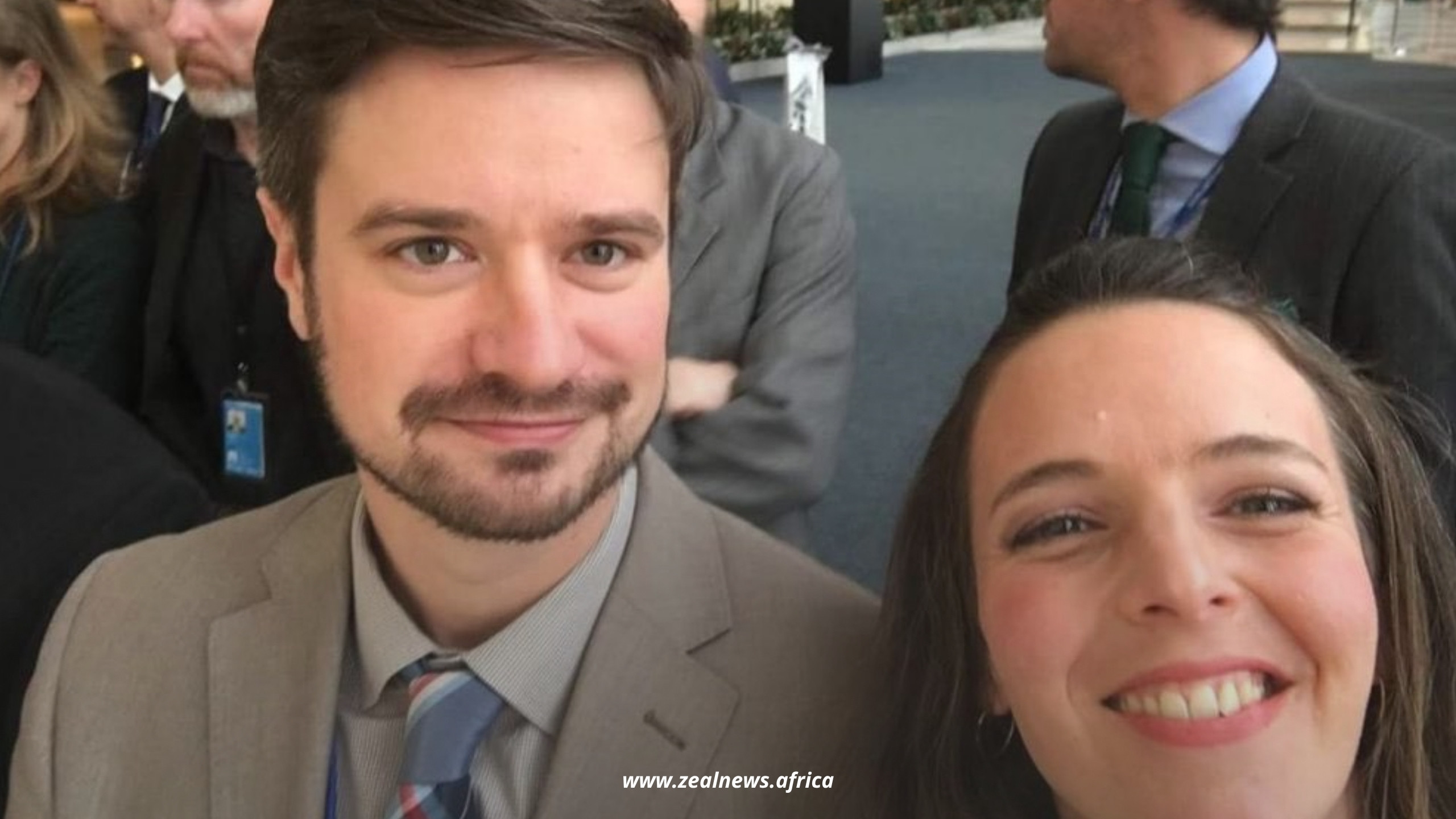
The last meal Zaida Catalán and Michael Sharp shared was with the man who may have arranged their deaths.
On March 10, 2017, two days before they were marched into a field and executed, the UN investigators sat down for lunch with Congolese army Colonel Jean de Dieu Mambweni. What neither of them knew, but what Catalán's own audio recording would later confirm, was that during that meal, Mambweni handed them the phone number of an interpreter he said would assist with their work.
That interpreter led them to Bunkonde. They never came back.
What the Two UN Investigators Were Doing in Kasai — And Why It Made Them Targets
In early 2017, the Kasai region of the Democratic Republic of Congo was burning. A conflict between the Congolese national army (FARDC) and the Kamuina Nsapu militia, sparked by the government's killing of a local customary chief in August 2016, had turned into mass atrocity.
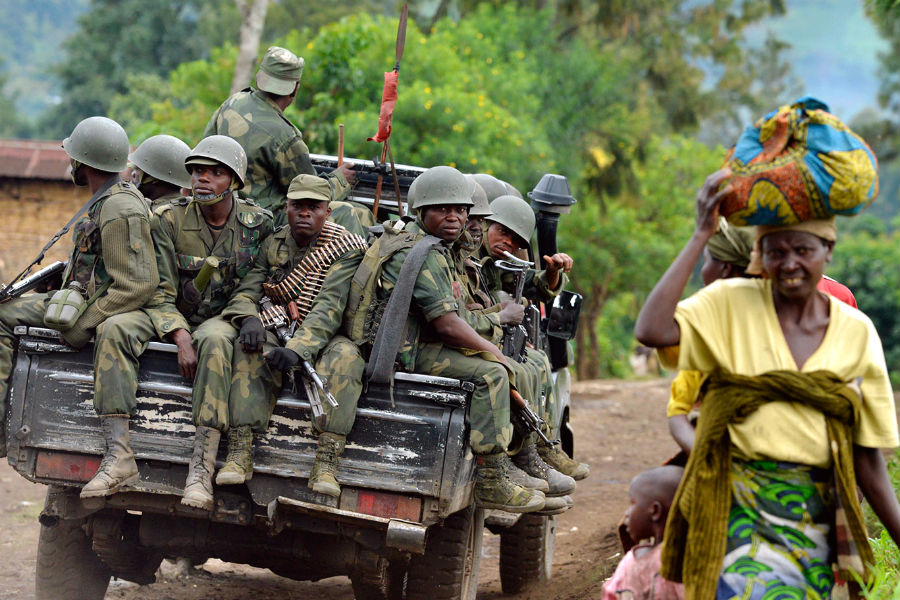
By June 2017, the Vatican's representative in the DRC would report at least 3,383 people dead. The UN confirmed the existence of at least 42 mass graves across the Kasai provinces. Children were recruited as fighters and entire villages were being torched.
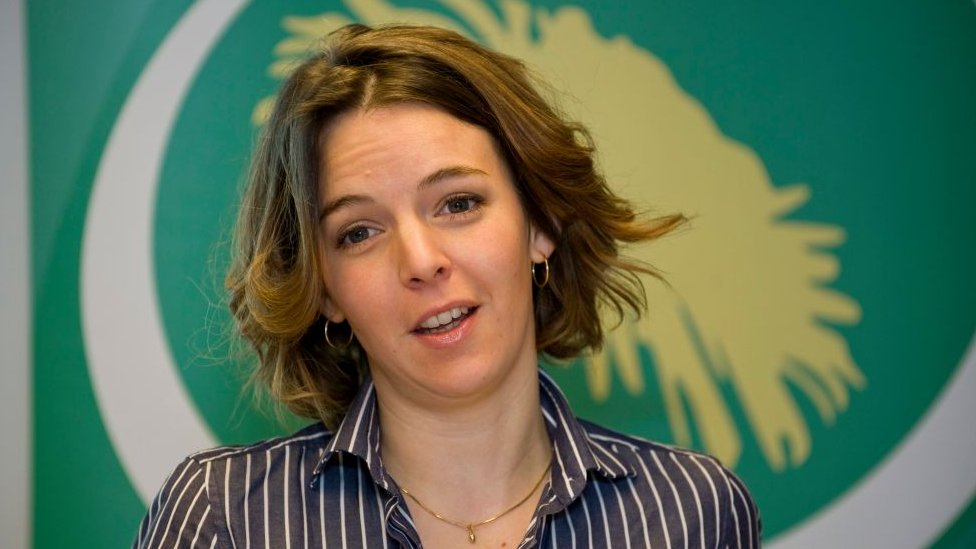
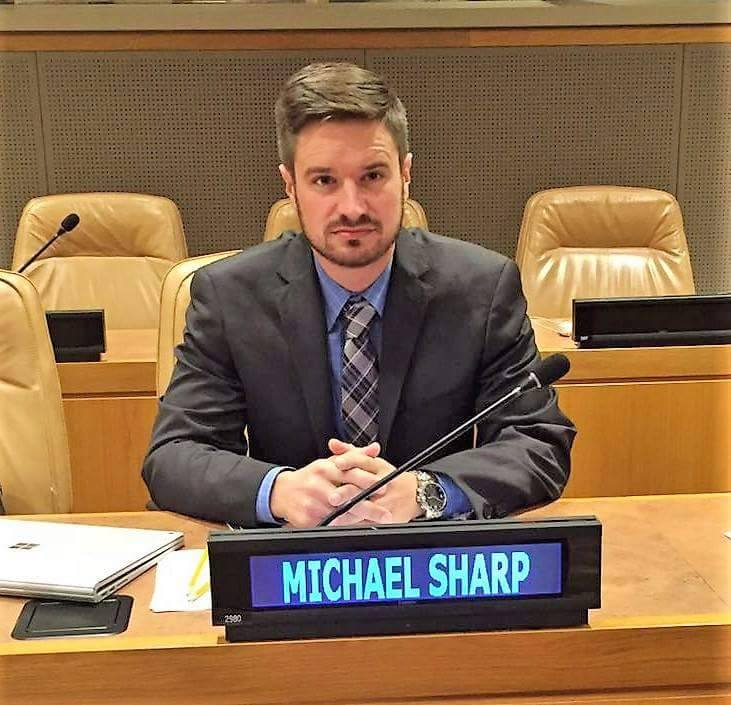
Zaida Catalán, a 36-year-old Swedish-Chilean human rights advocate, and Michael Sharp, a 34-year-old American expert on armed groups who had lived in Africa for years, were members of the UN Group of Experts on Congo. This group was a Security Council-mandated panel tasked with documenting sanctions violations and war crimes.
They were investigating violence between government forces and an armed group in the central Kasai region when they were stopped along the road by armed men, marched into a field and killed on March 12, 2017.
Their interpreter, Betu Tshintela, and three motorbike drivers — Isaac Kabuayi, Pascal Nzala, and Moise — vanished with them. Their bodies were found two weeks later near the village of Bunkonde. Their interpreter and the three drivers have never been found.
Catalán had been beheaded.
How the DRC Government's First Story Began to Collapse
Within days, Congolese officials produced a narrative. They said the Kamuina Nsapu militia did it.
A video was circulated appearing to show a confession, framed to support that version of events. The story was clean, too clean to be true.
DRC government officials had blamed Kamuina Nsapo, the rebel group, for the murders, releasing a gruesome execution video to support their claim.
A Board of Inquiry established by UN Secretary-General António Guterres concluded in August 2017 that the two were killed by the Kamuina Nsapu militia, and that Catalán and Sharp had breached UN safety and security protocol for field operations.
This conclusion positioned the victims as partially responsible. The state was absolved and the case was being locked shut before it had truly been opened.
Then the recordings surfaced.
The Audio Recording That Blew the Official Account Apart
A recording surfaced and in it was a voice recorded by Catalán herself on March 10, two days before her death.
In the recording, a man can be heard saying the date, March 10, during a prayer before a meal. The voice then says: "Take this number. It's Mr. Betu. Can I inform him?" and is heard calling Betu on the phone.
Mambweni acknowledged when questioned that the voice on the recording was his. He had previously denied ever putting the investigators in touch with their interpreter.
The SVT team also identified Mambweni as a central figurein the conspiracy, and used phone records to show that he had communicated both with the fake interpreters and his supposed rebel enemies in the days leading up to the murders.

Further investigation revealed something even more chilling. The interpreters present deliberately mistranslated a warning to the investigators, advising them the opposite of what was said — "you can go there; no problem."
The UN's own investigation documents identified those interpreters as undercover agents for the Congolese security services which was a fact that was excluded from the UN's official report.
Mambweni was arrested in December 2018 after becoming the first member of Congo's security forces to be taken into custody over the killings. He was accused of sending the UN experts into the trap that resulted in their murder.
The UN's Own Cover-Up: When the Institution Buries Its Evidence
The most disturbing dimension of the Kasai murders is not just that state actors may have arranged the killings. It is that the United Nations may have known and said nothing.
An investigation released in November 2018 by Swedish television's Mission Investigate, in collaboration with Süddeutsche Zeitung, Le Monde, Foreign Policy, and Radio France International, alleged that senior Congolese military and security officials may have been connected to the murders, information that was covered up by the UN's own probe, possibly to avoid a diplomatic rupture with the DRC.
Amnesty International called the allegations "deeply disturbing," stating it was "beyond belief that the UN may have deliberately buried information that would have been critical for bringing to justice those responsible for the murder of its own investigators."
The Mission Investigate documentary won multiple international awards and was seen by over one million viewers in Sweden alone, and it remains one of the most consequential pieces of investigative journalism on institutional accountability in recent memory.
Four Years in Court, 51 Death Sentences and No Masterminds Named
Dozens of people were on trial for more than four years over the killings that shook diplomats and the aid community, although key questions about the episode remain unanswered.
In January 2022, a military court sentenced 51 people to death, several in absentia. Despite UN assistance throughout the trial, the court ignored leads pointing to the involvement of senior Congolese officials.
The prosecution never examined who planned and ordered the killings.
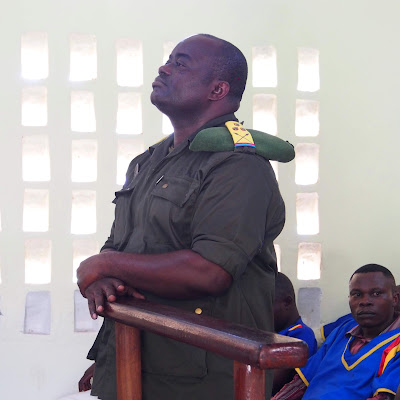
Colonel Mambweni who was accused of sending the investigators into the fatal trap, received a sentence of just 10 years in prison. Capital sentences in the DRC are routinely commuted under the country's moratorium on executions in place since 2003.
The militia foot soldiers were condemned. The architects of the operation were never named in court. Nearly nine years on, the families, friends, and colleagues of Catalán and Sharp are still awaiting justice.
What the Kasai Case Exposes About International Accountability in Africa
The murders of Zaida Catalán and Michael Sharp shows how deep the structural problems that continue to undermine justice in conflict zones.
A sovereign state with enough leverage to limit external scrutiny, an international institution torn between seeking truth and preserving diplomatic access and a justice system that readily punishes the foot soldiers while shielding those in power.
UN investigators documented that between March and June 2017 alone, at least 251 people in Kasai fell victim to extrajudicial and targeted killings, including 62 children, 30 of them under the age of eight. The two experts sent to investigate these atrocities ended up becoming part of the death toll.
More than four years of military trials produced 51 death sentences, yet the court failed to seriously pursue who planned and ordered the murders.
Colonel Jean de Dieu Mambweni received only a 10-year sentence. No independent international inquiry has ever been established. The interpreter Betu Tshintela remains missing, and the true masterminds, by all credible evidence, have never been charged.