Africa Makes 18% of the World's People But Only 1% of Its Research. Who's Changing That?
Africa is home to 18% of the world’s population but contributes just 1% of global research. Discover the scientists, innovations, and structural changes working to close this massive scientific gap.
Africa is home to roughly 18% of all human beingsalive on Earth today. However, in global research and development spending, the continent accounts for just about 1%.
That gap, between how many of us there are and how much scientific knowledge is being produced about and by us, is not an accident.
It is the outcome of decades of underfunding, brain drain, colonial scientific infrastructure and a global system that was never really designed with African researchers in mind.
The Scale of the Problem
To be specific, historical estimates show that three countries — Egypt, Nigeria, and South Africa — accounted for roughly two-thirds of all research and development spending across Africa. That means the remaining 51 countries share just a third, highlighting a massive science gap on the continent.
According to a 2016 analysis, these three nations together contributed about 65.7% of total African R&D spending.
This concentration of funding has real consequences for young African researchers.
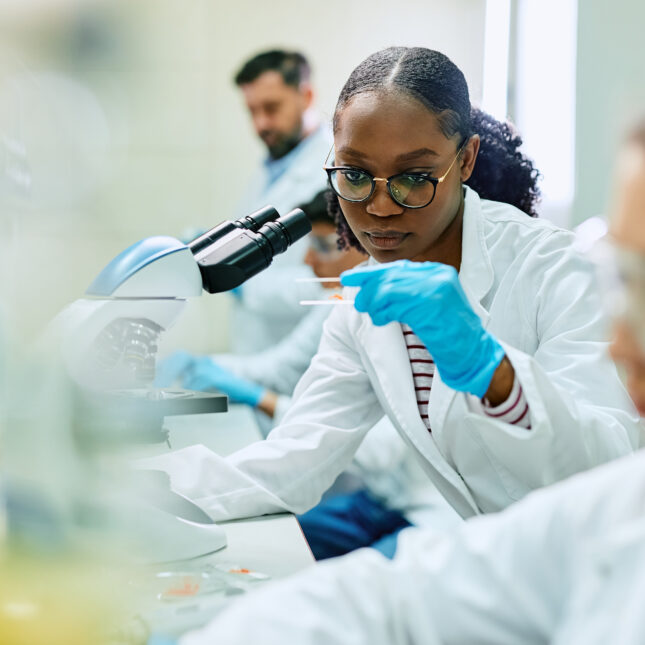
Those who do manage to build careers often face a brutal choice: stay on the continent with inadequate funding, outdated equipment and limited publishing opportunities, or leave for institutions in Europe, North America or Asia that can actually support their work.
Most leave and that is not a moral failure. It is, in fact, a rational response to an irrational system.
The problem is that when they leave, the research they produce rarely flows back to address the problems their home countries actually face.
The result is a continent that is rich in human potential, rich in health challenges, rich in ecological and genomic diversity and persistently underrepresented in the scientific literature that shapes global policy and drug development.
The Scientists Who Stayed or Came Back
The most important story in African science right now is not a single discovery. It is the growing number of researchers who are actively choosing to build infrastructure on the continent rather than simply export their talent.
Dr. Mahmoud Maina returned to Yobe State to establish BioRTC, now home to Africa's first open-access stem cell biobank and a training programme that has equipped over a thousand scientists with skills that previously required traveling abroad.
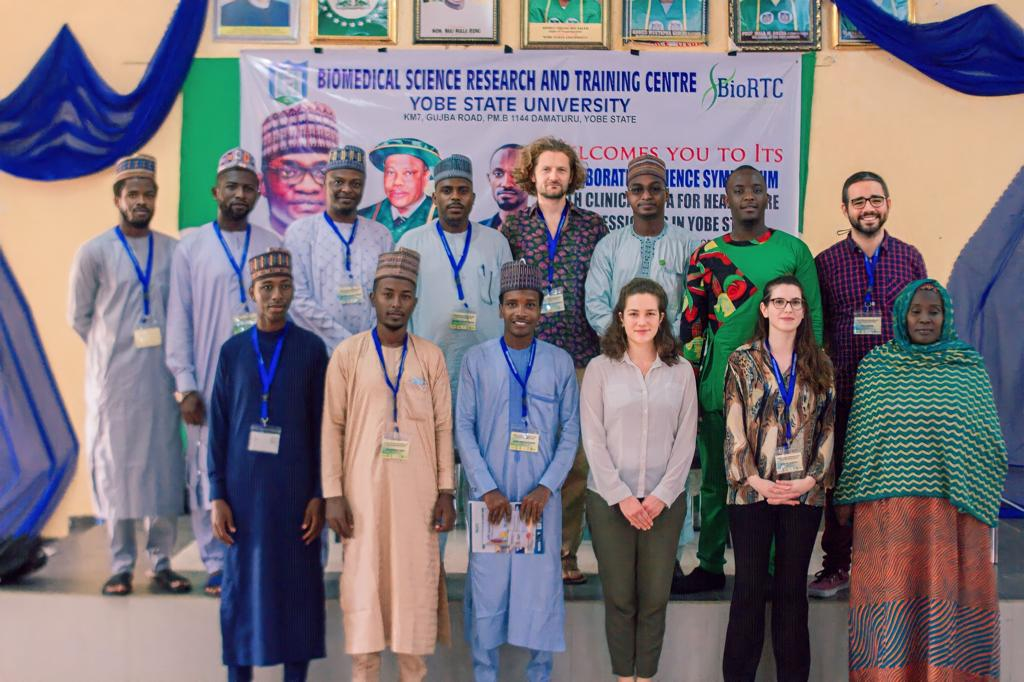
He is conducting dementia research from Damaturu that is being cited in international journals and attracting one of the world's most prestigious biomedical fellowships.
Dr. Ibi Max-Harry, a Nigerian molecular biologist who made a first-of-its-kind discovery about a protein that protects insulin-producing cells from sugar-induced damage, has been explicit about her intention to bring her training back to Africa to build pathways where research can move from laboratory discovery to real-world clinical application on the continent.
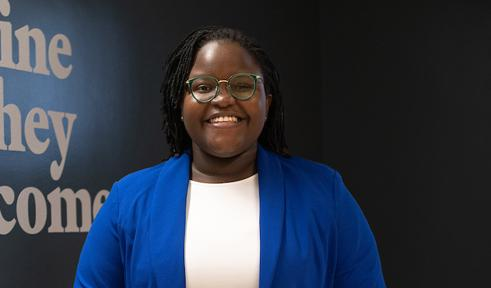
Nigerian neuroscientist Dr. Mayowa Owolabi developeda stroke risk assessment toolspecifically calibrated for African populations because the tools that existed were built on data from elsewhere and did not translate accurately.
These are scientists doing foundational work that the rest of the world has not done because the rest of the world was not looking at these problems with African lives as the priority.
The Brain Drain Can Be Reversed But Only With Structural Change
The individual stories are genuinely inspiring. However, individual inspiration has limits.
What African science actually needs is investment in infrastructure. They need laboratory equipment that does not require a flight to Europe to access.
They need fellowship programmes funded from within the continent. Publishing platforms that do not lock African research behind paywalls that African institutions cannot afford and government science advisers who are actual scientists, not political appointments.

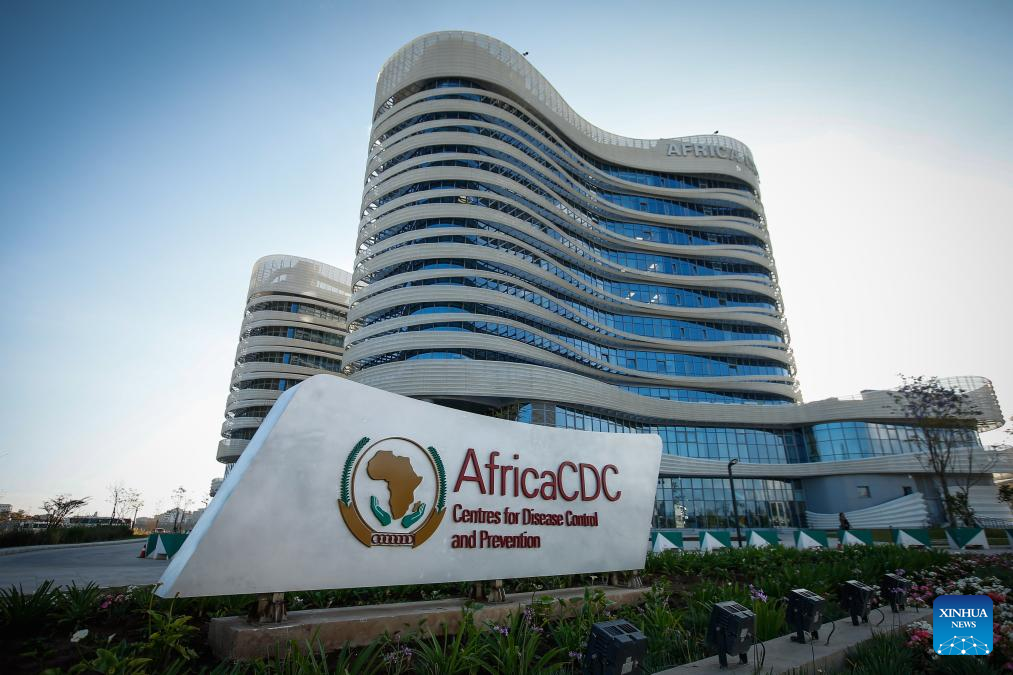
Some of this is beginning to happen. The Africa Centres for Disease Control and Prevention has changed how the continent handles health crises.
Platforms like Nature Africa and Scientific African are working to increase the visibility and credibility of research done by Africa-based scientists.
Philanthropic funders like the Wellcome Trust and the Chan Zuckerberg Initiative are beginning to direct serious money toward African-led science.
The Gap Will Close
There is something specific about this moment. The current generation entering African universities right now is growing up in a different information environment than any generation before them.
They have access, although imperfect, unequal but real, to scientific literature, online communities, open-source tools and role models who look like them doing world-class research.

The constraint is not talent. It never was. The constraint is opportunity, infrastructure, and the political will to fund homegrown knowledge-making as a continental priority.
Africa has the genetic diversity. Africa has the disease burden that makes certain research urgent in ways it simply is not elsewhere.
Africa has the scientists. What changes when the infrastructure catches up to the people is the rest of the world finds out what it has been missing.