Affordable Chinese Cars Are Reshaping Africa's Auto Market
Brands such as Chery, Omoda, BYD, GWM, Haval, JAC, Geely, and FAW have entered the African markets and they arrived with aggressive pricing, attractive financing, modern features, and a deliberate strategy aimed at the middle class that once saw new cars as an unaffordable luxury.
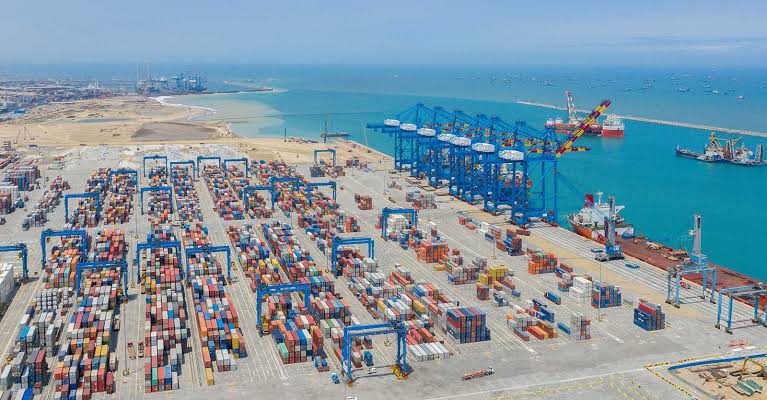
For many years, one defining reality has shaped Africa's car market: the dominance of used imports. In cities from Lagos to Nairobi and Accra to Johannesburg, the typical first car was never brand-new. It almost always arrived through the ports as a used Toyota, Nissan, or Honda-trusted names that had already lived one life abroad before finding new meaning on African roads. This system created its own culture, its own economy, and its own patterns of mobility. But over the last few years, a new force has entered the scene-one with enough influence to disrupt a structure that has stood firm for generations.
That force is the surge of affordable new cars from Chinese automakers.
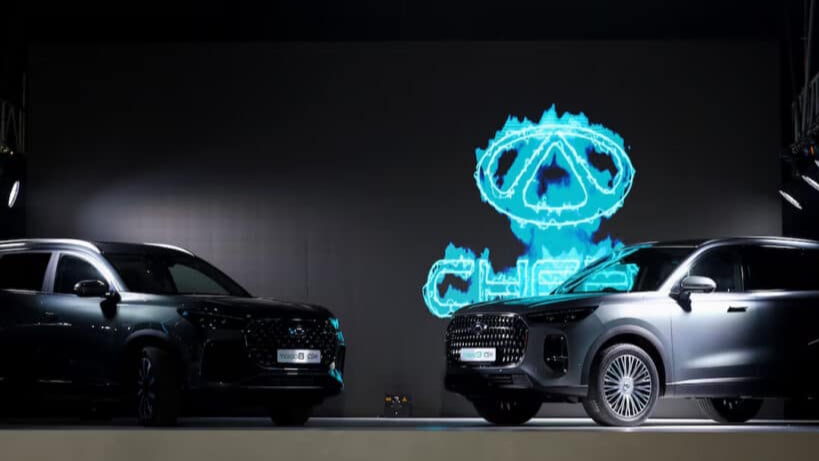
Brands such as Chery, Omoda, BYD, GWM, Haval, JAC, Geely, and FAW have entered the African markets and they arrived with aggressive pricing, attractive financing, modern features, and a deliberate strategy aimed at the middle class that once saw new cars as an unaffordable luxury. The change has been fast, visible, and strategic. And it is reshaping one of the continent's most resilient consumer markets.
A New Value Proposition: Brand-New Cars Within Reach
In fact, the major factor has always been affordability. Until now, most purchases in these developing markets of Nigeria, Kenya, Ghana, Rwanda, and Ethiopia are paid for by savings rather than bank loans, so many people avoid new cars simply because the upfront cost is unmanageable.
Chinese manufacturers have recognized this psychological and economic barrier and they have countered it with a value equation that's hard to ignore.
A brand-new Chery Tiggo or GWM Haval often lands at a price point not far from what a seven- or eight-year-old Toyota RAV4 would cost on the used market. Unlike the used option, the new vehicles also boast warranties, zero-kilometer mileage, modern interiors, improved fuel efficiency, and payment plans. In some markets, with financing options available of up to six years, buyers who once dismissed the notion of buying a new car are changing their minds.
This affordability is not a marketing gimmick but a deliberate strategy from manufacturers who know that Africa is price-sensitive yet aspirational. For years, most consumers had used cars, not because they actually wanted them, but because it was the only realistic option. For the first time, some of the middle class can avoid the used market altogether and go straight into new cars.
The Decline of the Used-Car Monopoly
The used-car import market across Africa has operated like a well-entrenched empire. Nigerian "tokunbo," Ghana's second-hand trade at Tema Harbour, Kenya's used imports policy have all shaped how people buy cars. But everything that made used imports dominant; affordability, availability, and value retention is now confronted by a competitive alternative.
Chinese brands have done something unprecedented by making new cars competitive with used Japanese imports.
In some markets, the price differential is becoming so small that buyers start asking pointed questions. “Why buy a used Toyota Corolla with 120,000 km when, for just a little more, you can get a brand-new Chery Arrizo featuring a five-year warranty and modern tech?”
Latest Tech News
Decode Africa's Digital Transformation
From Startups to Fintech Hubs - We Cover It All.
“Why pay for an imported Honda CR-V that's already been on rough roads elsewhere when a new Haval Jolion offers similar space and comfort, but with no history of accidents, no hidden mechanical issues, and far better financing terms?”
This shift does not mean used imports will disappear. Far from it. It means their monopoly on African mobility is facing its first real challenge in decades.
The Role of Financing in Changing Consumer Behavior
Historically, auto financing has been a weak link in African markets with their high interest rates, strict approval processes, and limited repayment flexibility, they have kept many buyers locked out. Chinese automakers and their local partners are approaching financing with a different philosophy.

Some dealerships now offer zero-down-payment plans, extended warranties, insurance packages bundled into monthly payments, and low-interest financing tied to manufacturer-backed credit schemes.
This type of structure is common in Europe or Asia, while it is relatively new in Africa. And this is changing the way younger buyers approach car ownership. Instead of waiting years to save enough money for a used import, they opt for new cars with manageable monthly payments. The psychological impact of this cannot be overstated. Car ownership, once seen as a long-term financial battle, suddenly feels attainable through structured planning.
This is one of the most powerful levers driving the shift: when consumers believe they have options, their entire behavior changes.
Why African Consumers Are Warming Up to New Chinese Brands
The greatest barrier that Chinese cars have always needed to overcome is brand trust. Early models from more than a decade ago struggled with quality perception issues. The vehicles entering African markets today are not the same cars people remember, they are significantly better built, with much stronger engineering to back them, and intentionally designed to compete in global markets.
African buyers respond to three key realities.
First, the design has improved: many of these brands now compete visually with established Western and Japanese manufacturers. Modern interiors, large touchscreens, improved materials, and attractive styling are no longer rare.
Secondly, the reliability gap is narrowing. Brands such as GWM, Chery, and BYD have invested heavily in global research, testing, and quality assurance. African drivers who once dismissed Chinese brands find themselves impressed by durability and performance.
Thirdly, after-sales support has become more structured. The expansion of dealership networks, increased parts availability, and service centers have taken place. The fear of scarcity; “What if it breaks and I cannot find parts?” is slowly disappearing in many markets.
Latest Tech News
Decode Africa's Digital Transformation
From Startups to Fintech Hubs - We Cover It All.
All these factors contribute to a shift in perception. Younger buyers, especially, perceive Chinese cars not as inferior alternatives but as cost-effective and technologically modern choices.
The Economic Ripple Effect: Jobs, Dealerships, and Local Assemblies
The rise of Chinese imports is changing consumer behavior and also influencing local economies.
Chinese brands are establishing assembly plants and manufacturing partnerships in various countries. For instance, interest in localized production has already been shown by BYD and GWM. In the case of Chery, it explored regional partnerships in North and Southern Africa. Many Chinese firms establish manufacturing or SKD plants, employing multiple layers of the economy: technicians, engineers, sales teams, service workers, and logistics operatives.
Dealership networks are expanding rapidly too. While there might have been one showroom for a Chinese brand in some cities a decade ago, today major urban centers have multiple dealerships a few kilometers from one another. This expansion increases competition, lowers prices, improves service quality, and widens access for consumers who have never purchased from a formal dealership.
These developments, on a larger economic scale, force global giants like Toyota, Nissan, and Volkswagen to reconsider their African pricing structures. If the pace of this competition sustains into the future, it would see the cost of mobility fall long term on the continent, with profound implications for productivity, commuting, and household stability.
Generational Shift in Mindset
For older African buyers, there is often caution around cars. They know what they know: Toyota engines, Japanese build quality, spare parts, and the confidence in long-term durability. For a new crop of younger buyers, particularly between the ages of 25 and 40, a different set of criteria has emerged: tech features, comfort, aesthetic appeal, and online reviews.
This is a digitally informed generation, which compares models on YouTube, follows car reviewers, reads global ratings, and asks questions about fuel efficiency, safety, and long-term running costs. For them, Chinese brands feel innovative rather than untested.
This mindset shift is accelerating adoption. The market is no longer driven purely by habit or tradition. It is influenced by aesthetics, financing, engineering improvements, and a desire for modernity. And because many new Chinese cars compete directly with used Japanese imports in price, the emotional argument for owning a new car is stronger than ever.
What This Means for the Future of Africa’s Car Market
Africa's auto sector is entering a transition that will not happen overnight, but the trajectory is clear. The market is broadening. The options are expanding. Consumers who previously saw used imports as their only path to ownership are now reconsidering what is possible.
Latest Tech News
Decode Africa's Digital Transformation
From Startups to Fintech Hubs - We Cover It All.
Chinese brands have inserted themselves at a powerful crossroads: where affordability meets aspiration and where new cars finally challenge the dominance of used ones. Their strategy is multi-layered-competitive pricing, modern design, flexible financing, and aggressive expansion. And it is working.
Used imports will remain a big part of African mobility, but their monopoly is gone. A new segment of buyers are rising-buyers who want reliability without compromise, want warranties, want tech, and want payment plans that do not break their finances.
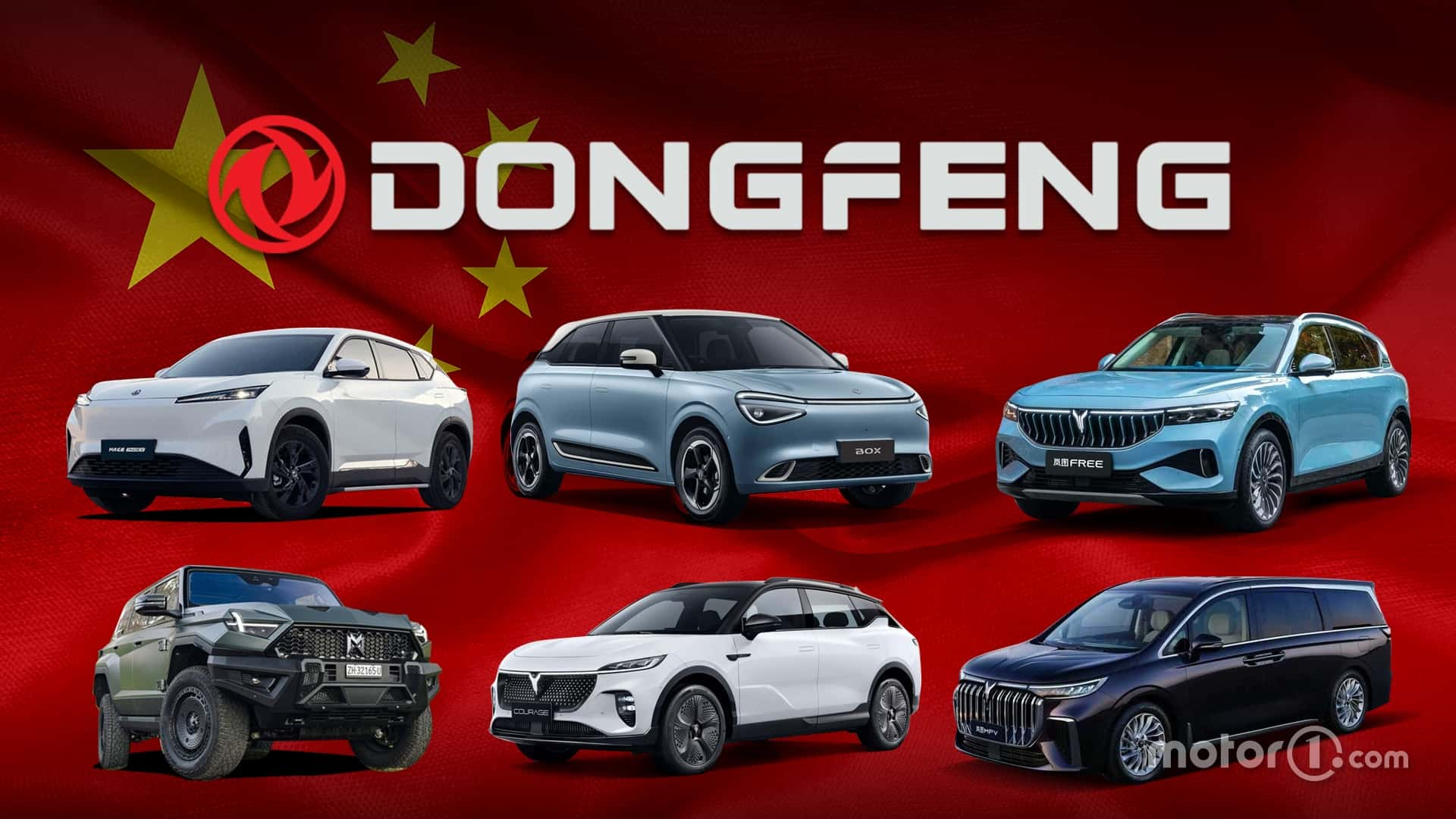
For the first time in decades, Africa's auto market feels fluid-capable of evolving, influenced by competition, and responsive to changing consumer priorities. Chinese automakers did not create Africa's demand for mobility; they just understood it better, priced for it, and arrived with a strategy ambitious enough to reshape the landscape.
The market is never going to go back to the way it was. A new era has begun, one characterized by choice, affordability, and the rise of global competition on African soil.