8 African Leaders Whose Assassinations Shook the Continent
Eight African leaders were assassinated for threatening power, foreign interests, and internal elites. Their deaths reveal the high stakes of post-independence politics across the continent.
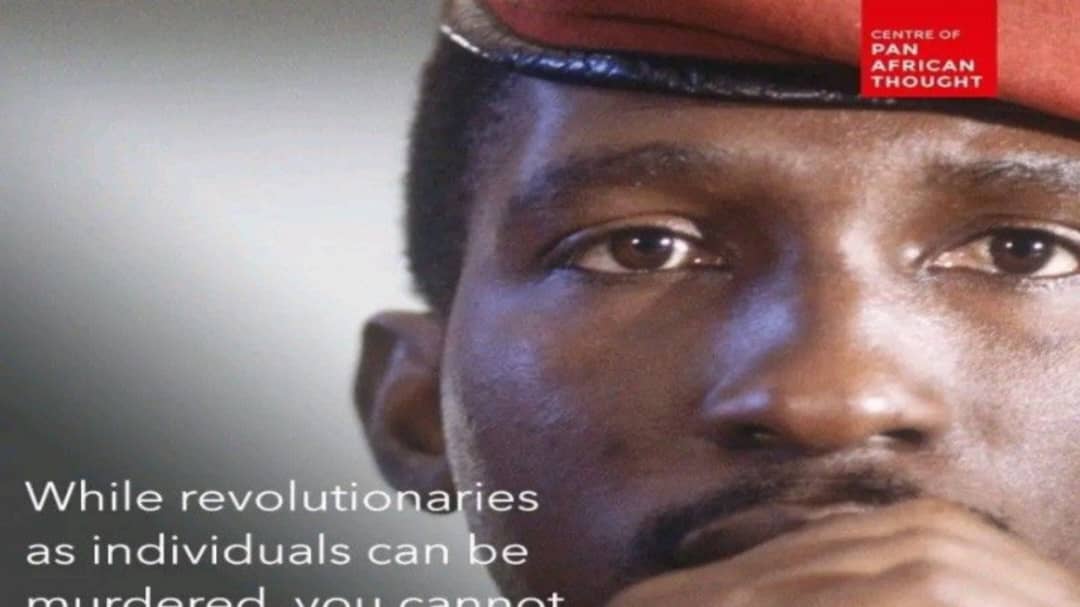
Africa’s post-independence history is shaped not only by liberation struggles but by the violent silencing of leaders who threatened entrenched power, foreign interests, and internal elites.
These assassinations were not random acts of chaos. They occurred at moments of political rupture, military unrest, and ideological confrontation.
In many cases, their deaths redirected the fate of entire nations and left scars that still shape African politics today.
Below are eight African leaders whose assassinations altered the course of history.
Patrice Lumumba
Democratic Republic of Congo (1925–1961)
Patrice Lumumba became Congo’s first Prime Minister in 1960 after independence from Belgium. He believed Congo’s vast mineral wealth should serve its people rather than foreign corporations, and he openly rejected Western political control.
That stance made him a target.
As the country descended into political instability and secessionist movements, Belgium and Cold War powers viewed Lumumba as a threat.
On January 17, 1961, he was executed by Congolese soldiers with the involvement of Belgian mercenaries.
His death was concealed for weeks. His body was dissolved in acid. All that remained was a gold-crowned tooth, later taken to Belgium by a police officer involved in the killing.
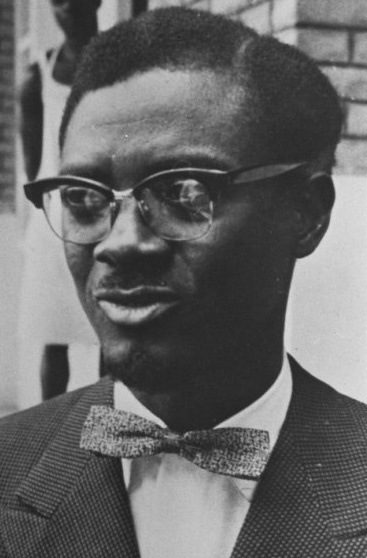
In 2022, more than sixty years later, Belgium returned the tooth to Lumumba’s family, and the Democratic Republic of Congo held a state funeral in his honour.
Despite his brief time in office, Lumumba remains one of Africa’s most powerful anti-colonial symbols and a defining voice of Pan-Africanism.
2. Thomas Sankara
History
Rewind the Stories that Made Africa, Africa
A Journey Through Time, Narrated with Insight.
Burkina Faso (1949–1987)
Thomas Sankara ruled Burkina Faso from 1983 to 1987 and earned the nickname “Africa’s Che Guevara.” His government prioritised self-reliance, women’s liberation, anti-corruption reforms, and rejection of foreign debt.
His policies threatened local elites and international allies accustomed to influence in West Africa.
On October 15, 1987, Sankara was assassinated during a coup led by his former ally, Blaise Compaoré. Soldiers shot him during a meeting in Ouagadougou.
His death ended one of Africa’s most radical experiments in ethical leadership. Decades later, Sankara remains a reference point for integrity, simplicity, and political courage.

3. Sylvanus Olympio
Togo (1902–1963)
Sylvanus Olympio became Togo’s first President after independence from France. He sought to limit military spending and refused to absorb former French colonial soldiers into the national army, arguing the young state could not afford it.
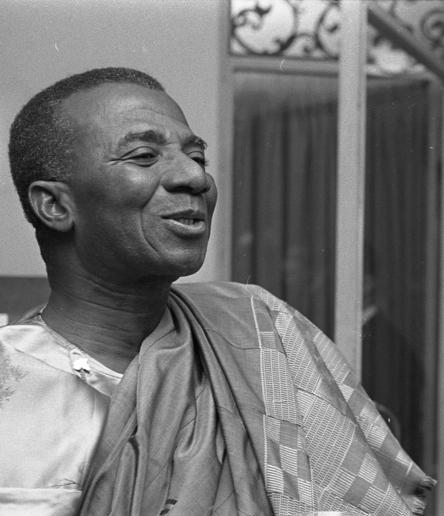
The decision angered disgruntled soldiers and heightened political tension.
On January 13, 1963, Olympio was assassinated outside the United States embassy in Lomé during a military coup. He became the first African head of state killed in a post-colonial military takeover.
His death set a precedent for coups across the continent during the 1960s.
4. Amílcar Cabral
Guinea-Bissau (1924–1973)
Amílcar Cabral led the armed struggle against Portuguese colonial rule in Guinea-Bissau and Cape Verde. As a trained agronomist and disciplined strategist, he believed political education was as important as military resistance.
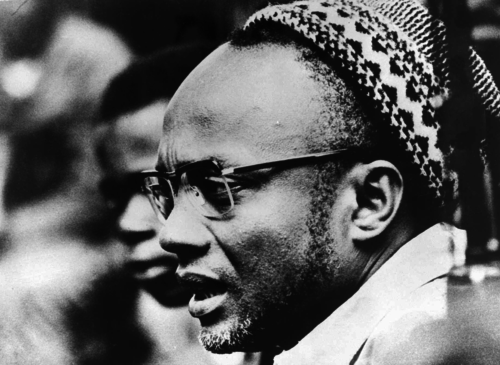
As independence drew closer, internal divisions and external pressures intensified.
History
Rewind the Stories that Made Africa, Africa
A Journey Through Time, Narrated with Insight.
On January 20, 1973, Cabral was assassinated in Conakry by a fellow member of the liberation movement. He was 48 years old.
Guinea-Bissau achieved independence one year later. Cabral did not live to see the nation he helped create.
5. Major General Johnson Aguiyi-Ironsi
Nigeria (1924–1966)
Aguiyi-Ironsi became Nigeria’s Head of State following the country’s first military coup in January 1966, which killed Prime Minister Abubakar Tafawa Balewa and several regional leaders.
Although he did not plan the coup, he was invited to restore order. His policies, however, were perceived in parts of Northern Nigeria as favouring one ethnic group.
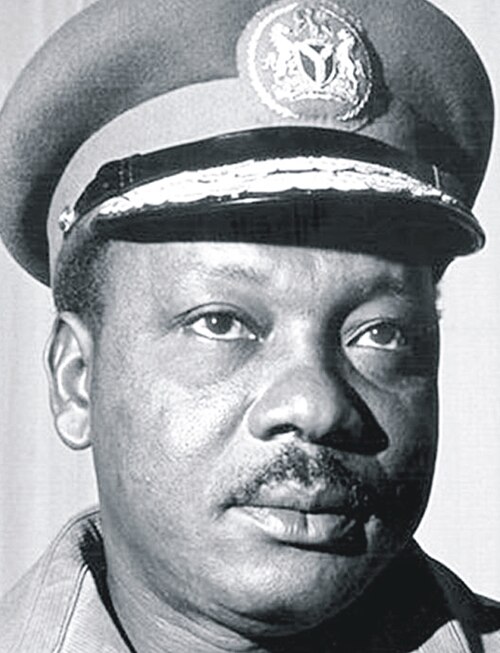
On July 29, 1966, he was captured in Ibadan alongside Lt. Col. Adekunle Fajuyi and brutally murdered during a counter-coup.
His assassination pushed Nigeria closer to the civil war that erupted the following year.
6. Laurent-Désiré Kabila
Democratic Republic of Congo (1939–2001)
Laurent Kabila seized power in 1997 after overthrowing Mobutu Sese Seko. He promised reform but soon faced rebellion, corruption accusations, and regional war.
After ordering foreign troops out of Congo, relations with former allies Rwanda and Uganda collapsed, triggering the Second Congo War.
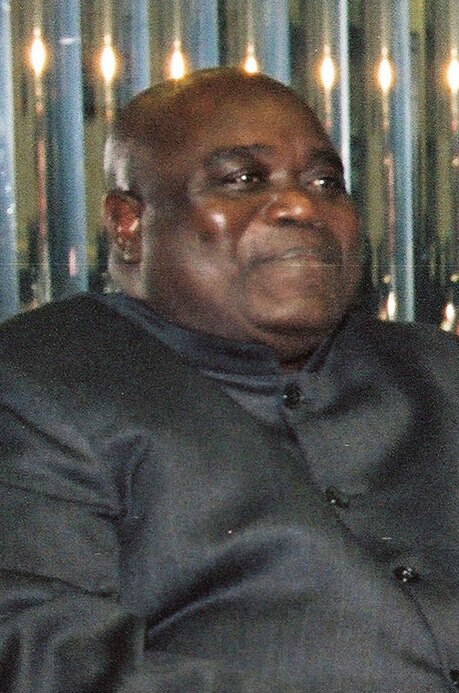
On January 16, 2001, Kabila was assassinated by a member of his own presidential guard. His death deepened Congo’s instability and prolonged conflict across Central Africa.
7. Murtala Muhammed
Nigeria (1938–1976)
History
Rewind the Stories that Made Africa, Africa
A Journey Through Time, Narrated with Insight.
Murtala Muhammed ruled Nigeria briefly but decisively. He launched aggressive anti-corruption reforms, restructured the civil service, and committed to a return to civilian rule.
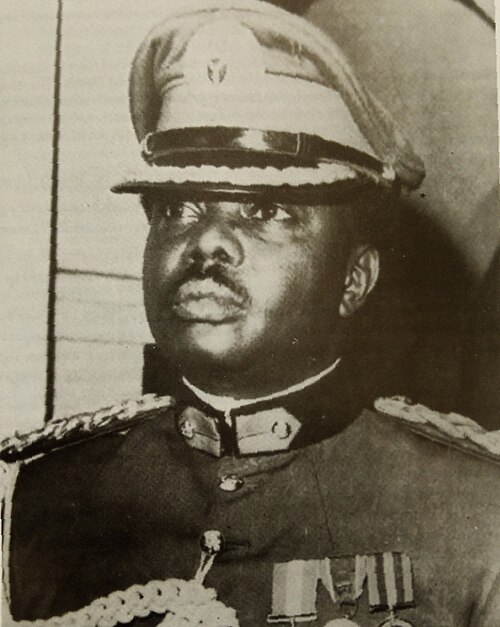
On February 13, 1976, he was assassinated in Lagos during an attempted coup led by Lt. Col. Buka Suka Dimka. His convoy was ambushed near Ikoyi, killing him and several aides.
The nation mourned him widely. Muhammed remains one of Nigeria’s most respected leaders.
8. Muammar Gaddafi
Libya (1942–2011)
Muammar Gaddafi ruled Libya for over four decades after overthrowing the monarchy in 1969. His government expanded education, healthcare, and housing but suppressed dissent and ruled through authoritarian control.
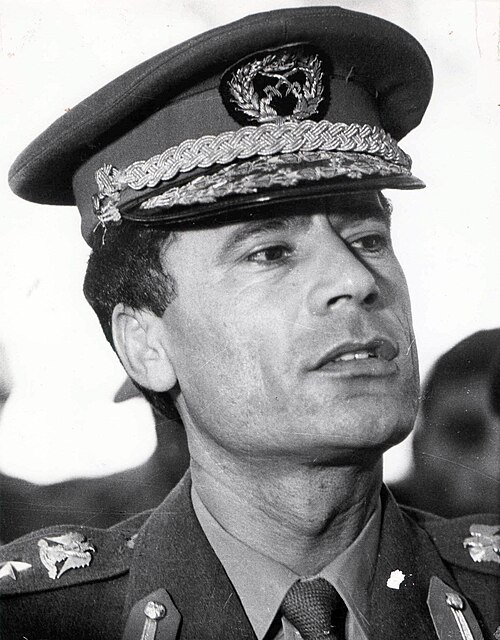
In 2011, inspired by regional uprisings, protests erupted across Libya. The state responded with force, plunging the country into civil war.
Gaddafi was captured and killed in October 2011 while fleeing his hometown. His death left a power vacuum that Libya has yet to recover from.
(All images are from wikipedia)