7 Things We Call “African Culture” That Are Not Entirely African
You probably think you know what makes something “African.” But some of our most familiar traditions, foods and habits have origins that may surprise you.
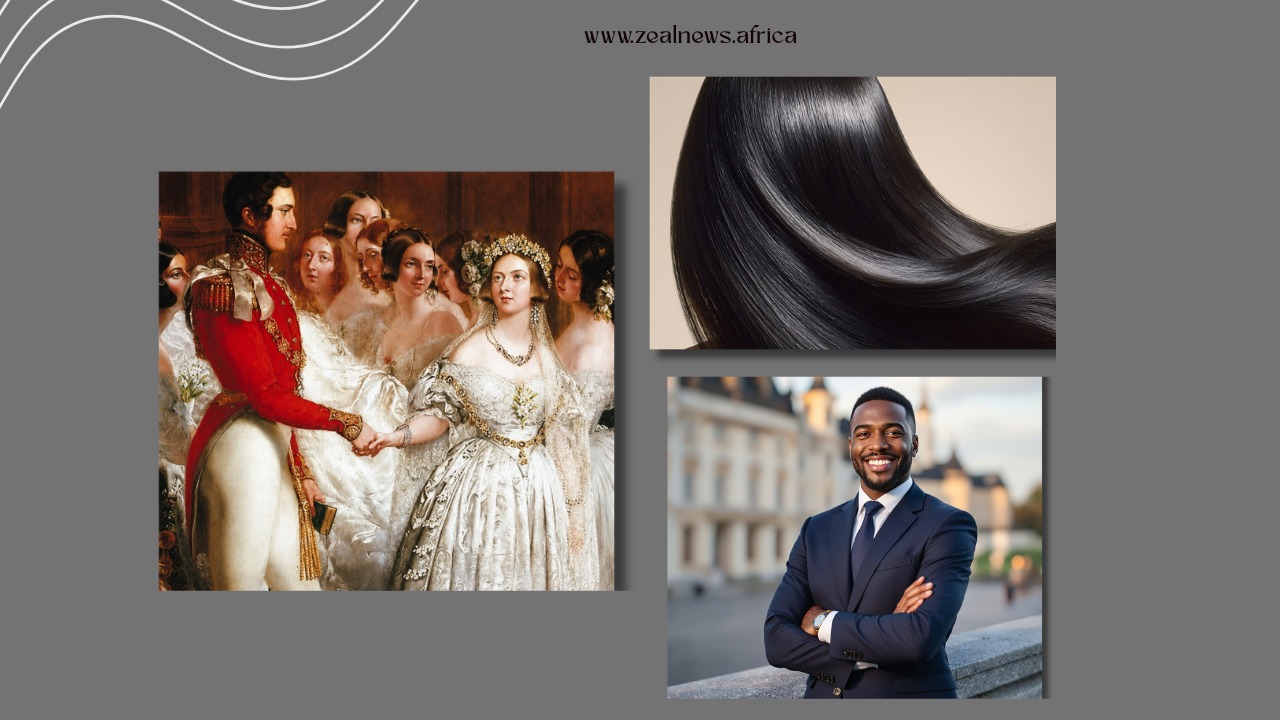
Ask an African what makes something African and you will probably hear answers involving food, weddings, names, clothes, language or family traditions. Many of these things feel so familiar that questioning where they came from almost sounds ridiculous.
But culture does not respect borders. People travel, religions spread, empires rise, ingredients cross oceans and communities borrow from one another, sometimes for so long that nobody remembers what was borrowed in the first place. Some of the things we now treat as unmistakably African did not entirely begin in Africa.
That does not make them fake or less African. In many cases, the more interesting story is what Africans did with them after they arrived.
1. The White Wedding
Picture a typical Nigerian wedding weekend. There may be a traditional ceremony filled with family customs, local fabrics and bride-price negotiations, followed the next day by a bride in a white gown walking down a church aisle while hundreds of guests watch.
The second ceremony can feel just as traditional as the first, but much of its familiar appearance came through European Christianity and colonial influence.
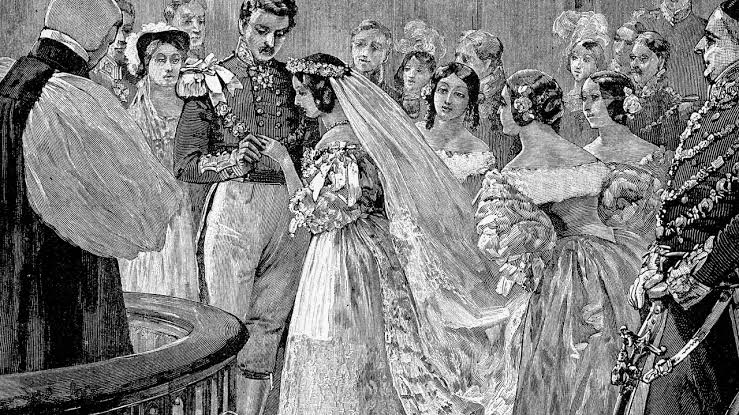
The white bridal gown itself became especially fashionableafter Queen Victoria wore white at her 1840 wedding to Prince Albert, an event that was widely illustrated and copied.
Christian missions later helped spread European-style church marriage across different parts of Africa, but Africans did not simply abandon existing marriage customs.
Instead, families combined the two, which is why a couple today can have a traditional wedding, church wedding and reception and still consider all three parts of one complete marriage celebration.
The wedding came with foreign influences, but Africans built their own version of it.
2. The Suit as the Uniform of Professionalism
Imagine two men arriving for the same important meeting. One wears an expensive, beautifully tailored agbada, while the other wears a dark suit and tie; strangely, someone may still describe the second man as being more “corporate.”
That idea did not come from traditional African dress systems. European clothing became increasingly visible in African cities through colonial administrators, missionaries, traders, schools and Africans returning from Europe and the Americas, with colonial Lagos becoming a meeting point for Western and Yoruba fashion influences.

Over time, the suit became associated with offices, banks, courts, government and senior positions. Africans adopted it so successfully that today it can communicate authority anywhere without anyone stopping to think about where the garment originated.
The suit is European in origin, but the meaning Africans now attach to it has become local.
3. English as the Language of Opportunity
In many African homes, a child can speak an indigenous language beautifully and receive little attention for it. Let that same child speak polished English or French, however, and people may immediately describe them as educated.
History
Rewind the Stories that Made Africa, Africa
A Journey Through Time, Narrated with Insight.
That hierarchy has history behind it. In Nigeria, English expanded through British colonial rule and became deeply established in education, government and trade, eventually remaining a shared official language after independence, as the British Council explains in its history of Nigerian English.
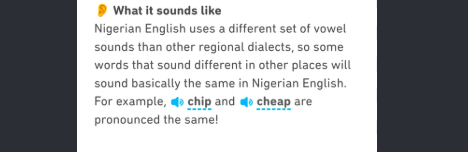
But Africans did something colonial administrators probably never planned: they changed the language. Nigerian English developed expressions, pronunciation and rhythms of its own, while Ghanaian, Kenyan and South African varieties evolved differently.
A Nigerian can say, “I’m coming” while actually leaving for a moment, and everybody around them understands perfectly. English entered Africa as a foreign language, but Africans eventually made versions of it that belong unmistakably to them.
4. The Christian and European Names Many Africans Carry
Walk through a Nigerian school and you may meet Grace, John, Michael, Elizabeth, David and Mary before lunchtime. These names feel completely ordinary, even though African societies had rich naming traditions long before Christianity and European colonialism arrived.
A name could tell you about the circumstances of a child's birth, the family's experience, their hopes, ancestry or relationship with God.

Mission churches, baptism, colonial schools and European institutions later made Christian and European names increasingly common, a pattern that also appeared in places such as South Africa, where English names became entangled with colonial and apartheid-era identity.
Africans again responded by combining traditions rather than choosing only one. Someone can comfortably be Oluwaseun Michael Adeyemi, carrying indigenous, Christian and family identities in three words.
5. Straight Hair as a Beauty Standard
African hair has never been culturally empty. Braids, twists, shaved patterns and other hairstyles have historically communicated information about age, status, religion, identity and community in different societies.
What changed was the idea that straighter hair could appear more respectable, professional or beautiful. European beauty standards and later global fashion culture helped reinforce that preference, while Black communities themselves developed products, techniques and businesses around changing and caring for hair.

The Smithsonian’s history of Black hair shows how straightened styles became connected to ideas of social acceptance and professional appearance, even as natural hairstyles remained powerful expressions of identity.
Today, wigs, relaxers and straightened hair exist alongside braids, Afros, locs and other natural styles.
6. The Modern School System
Africans did not wait for colonialism to learn.
Children were educated through storytelling, apprenticeships, farming, craftsmanship, religious teaching, observation and participation in community life. Knowledge was often connected directly to what a person needed to know to survive, contribute and eventually teach the next generation.
Colonial education introduced another model: classrooms, rows of desks, timetables, examinations, certificates and formal subjects taught at fixed hours. Missionaries played an especially important role in establishing schools in many territories before colonial governments expanded their involvement.
Many African countries inherited those structures after independence. Even today, debates continue about whether education systems teach enough African history, languages and perspectives, which is one reason UNESCO has been working to integrate its General History of Africa into school curricula.
History
Rewind the Stories that Made Africa, Africa
A Journey Through Time, Narrated with Insight.
Africa had education before the classroom. What colonialism changed was largely the structure, content and authority of formal schooling.
7. The Idea That There Is One “African Culture”
Perhaps the strangest cultural inheritance is the habit of speaking about Africa as though 54 countries and thousands of communities share one tradition.
They do not. Yoruba marriage customs cannot explain Oromo marriage customs, an Akan naming ceremony cannot stand in for a Zulu one, and Maasai clothing cannot serve as the uniform of an entire continent.
Even things commonly described as foreign have very different African histories.

Christianity, for example, was already deeply established in parts of Africa long before modern European colonialism; the Aksumite king Ezana converted to Christianity in the fourth century, making Christianity part of the continent's history for well over a thousand years.
Africa has always exchanged ideas with the rest of the world through the Red Sea, Mediterranean, Indian Ocean, Sahara and Atlantic. There was never a sealed version of Africa untouched by outside influence.
That is why asking whether something is “really African” can sometimes be the wrong question. A better one is: what did Africans turn it into?
Culture is not a museum display where everything must remain exactly where it began. We inherit culture, borrow from it, change it and pass the edited version to the next generation.
Sometimes the most African thing about a tradition is not where it started.
It is what Africans made of it.