10 Power Plants Generated 81% of Nigeria's Electricity While Most Capacity Remained Unused
Ten power plants generated 81% of Nigeria’s electricity in April 2026, while nearly 70% of installed power capacity remained unused, exposing persistent inefficiencies in the sector.
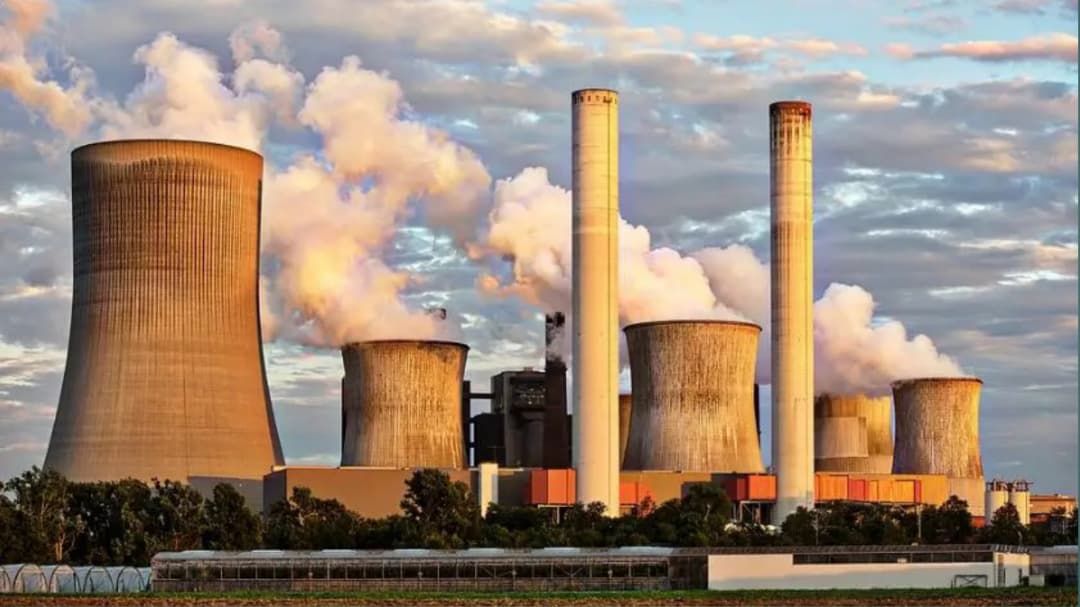
Nigeria's electricity crisis is often described as a problem of low power generation and the common assumption is that the country does not produce enough electricity to meet demand.
But new operational data from the Nigerian Electricity Regulatory Commission (NERC) shows that the problem is more complicated.
In April 2026, just 10 power plants generated about 81% of the electricity supplied to Nigeria's national grid, according toNERC's operational performance factsheet for April 2026. Yet only 4,286 megawatts of the country's 13,625MW installed capacity was available for dispatch during the month.
In practical terms, this means Nigeria has thousands of megawatts in installed infrastructure, but a large share of that capacity is not consistently working when needed.
For a country where households and businesses still experience blackouts, unstable voltage, and high generator dependence, the figures tell a familiar but frustrating story: the issue is no longer just about building power infrastructure, but making existing assets function efficiently.
Nigeria has installed capacity, but much of it is unavailable
Installed capacity refers to the maximum amount of electricity a country's power plants can generate under ideal conditions.
Nigeria currently has 13,625MW in installed generation capacity, a figure that suggests a much larger electricity system than many consumers experience daily.
However, installed capacity does not automatically translate to available electricity.
What matters more is how much power can actually be generated and sent to the grid at a given time. In April, only 4,286MW was available for dispatch roughly the same level recorded inearly 2024, when available capacity stood at 4,249MW, meaning nearly 70% of installed capacity remained unused with no meaningful improvement over more than two years.
That stagnation explains why official power figures often appear disconnected from daily reality.
A country may have thousands of megawatts listed in reports, but if much of that capacity is unavailable, electricity shortages will persist regardless of what exists on paper.
Nigeria has installed capacity, but much of it is unavailable
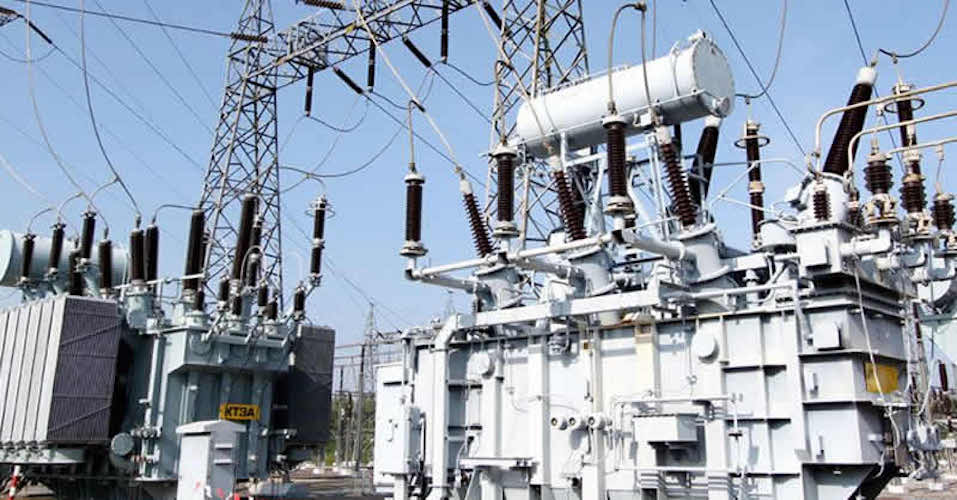
Several factors continue to limit electricity generation across the country.
Many of Nigeria's thermal plantsdepend heavily on gas. When gas supply is disrupted by shortages, pricing issues, or pipeline problems, generation output is immediately affected.
Technical and maintenance challenges also remain common.
Some plants operate below capacity because of aging equipment, delayed repairs, or operational faults, while others record little or no generation for extended periods.
Transmission remains another major challenge.
Even when generation improves,the national grid often struggles to absorb and distribute available electricity efficiently. This means some power can be generated but not fully delivered where needed.
At the same time, major contributors such as Egbin, Kainji, Jebba, and Ihovbor continued to account for a significant share of national supply.
Ten plants, one fragile grid
The fact that10 plants generated 81% of Nigeria's electricity reveals how concentrated the country's power supply has become.

A small group of facilities is effectively carrying most of the national grid.
This creates vulnerability.
If one major plant develops a fault, shuts down for maintenance, or faces fuel disruption, the effect can quickly ripple across the electricity system.
A stronger power network would spread generation more evenly across multiple reliable plants, reducing dependence on a few high-performing stations.
Instead, Nigeria continues to rely heavily on a limited number of facilities while many installed assets remain inactive or underperforming.Over the 30-month period from mid-2023 to end-2025, Nigeria's grid added barely 1GW, a small fraction of the 15,000MW the current administration had promised.
What unstable power actually costs ordinary Nigerians
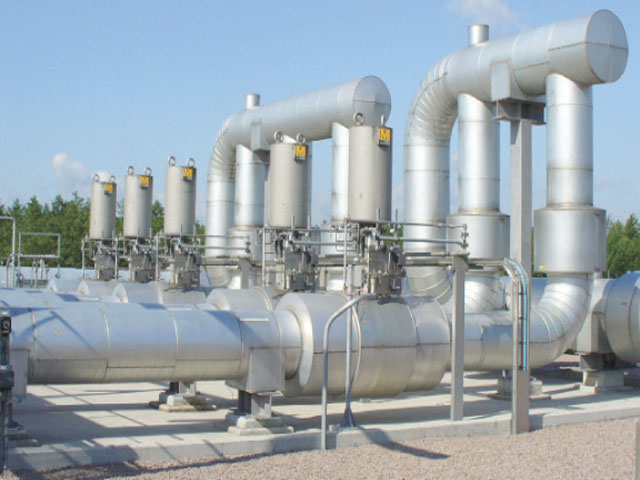
Generation is only one side of Nigeria's electricity challenge.
The national grid operated outside approved technical limits during the month, with voltage and frequency levels fluctuating beyond recommended thresholds.
For consumers, these technical issues often show up as unstable power supply, sudden outages, and voltage fluctuations that damage household appliances.
Businesses face similar difficulties.
For many homes and small businesses, unreliable electricity means spending heavily on petrol, diesel, inverter charging, appliance repairs, and backup systems just to maintain basic operations.
This increases operating costs and places additional pressure on households already dealing with broader economic strain.
The bigger problem is making existing infrastructure work
Nigeria's latest electricity figures suggest the country's biggest power challenge is no longer simply how much infrastructure exists.
The more urgent issue is how little of that infrastructure consistently works when needed.
As long as most installed capacity remains unavailable, new capacity announcements alone will do little to improve electricity reliability.
Until generation assets become more functional, transmission improves, and operational bottlenecks are addressed, millions of Nigerians will continue to experience electricity as an unreliable service despite the country's significant installed capacity.