10 African Cultural Practices That Still Influence Modern Life
From names and food to music and family values, these African traditions still shape everyday life.
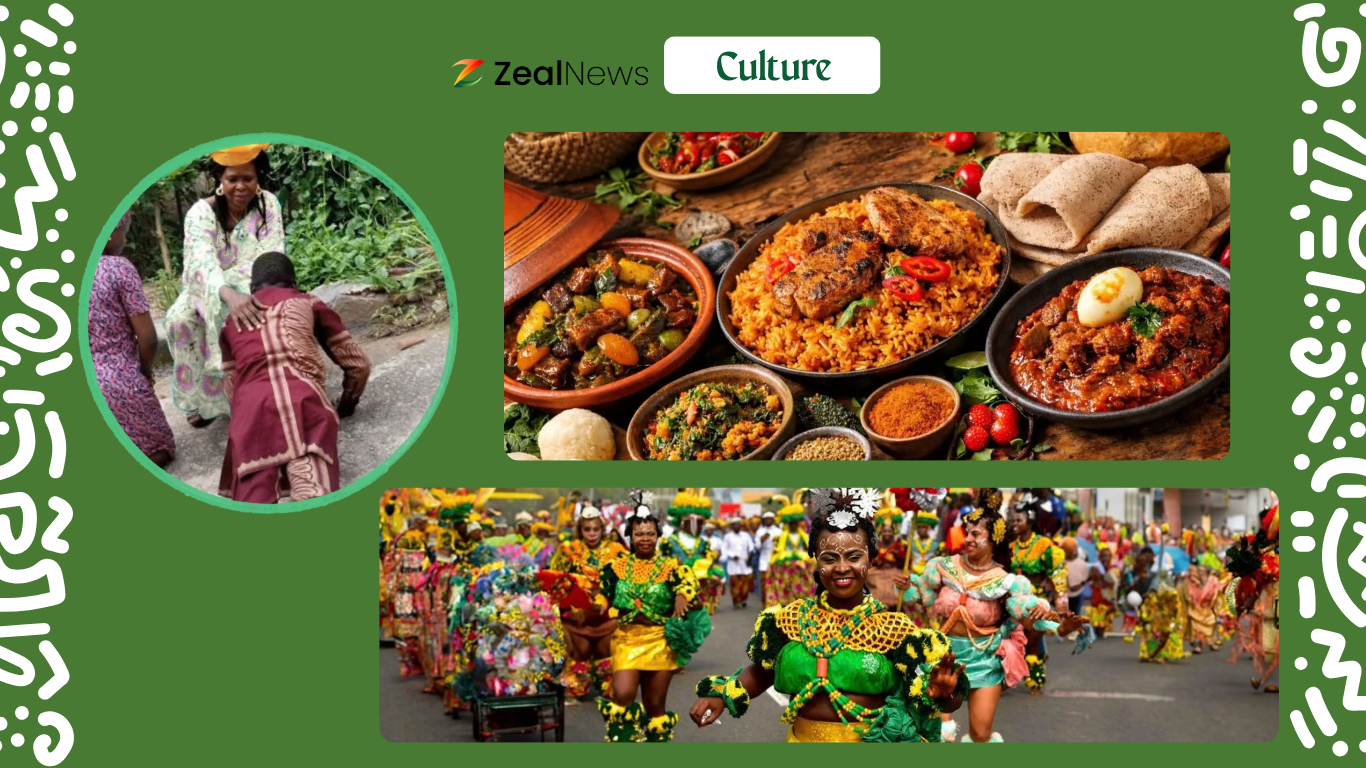
People thought with the Gen z and Gen alpha who were born into advanced technology, that nobody will followed the ancestral traditional cultural practices in modern times. But some homes still practice this and instill these values to their kids.
African traditional cultural practices is one of the long lasting practices in the whole continent even if the Western culture has taken over the globe. Tradition still takes place not only in Africa but also across Europe and Asia.
But we are not going to focus on Europe or Asia but Africa itself. Africa is one of the continents that still value their culture and tradition from respecting their elders to storytelling, traditional foods, festivals and so on.
African culture is not simply something found in museums or remembered through history books. Many traditions that developed generations ago continue to influence how Africans live, communicate, celebrate and relate to one another today.
These practices have adapted to modern society while retaining important cultural meanings.
1. Respect for Elders
Respect for older people remains an important value in many African societies, and children are traditionally taught to greet elders properly, listen to their advice and show them respect.
Although modern lifestyles have changed family structures, this principle continues to influence relationships within many African families and communities.
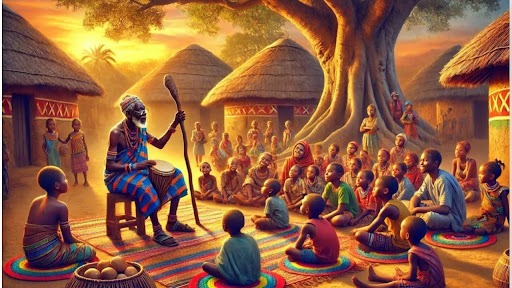
2. Storytelling
Before books, television and social media, stories were an important way of passing knowledge from one generation to another.
Elders used folktales, legends and proverbs to teach children about courage, honesty, wisdom and community. Today, storytelling continues through books, films, music, social media and other forms of African entertainment.
3. Naming Ceremonies
Names often carry deep meaning in African cultures. A child's name may reflect family history, circumstances surrounding their birth, hopes for the child or religious beliefs.
Naming ceremonies remain important in many African communities, even as families combine traditional practices with modern celebrations.
Culture
Read Between the Lines of African Society
Your Gateway to Africa's Untold Cultural Narratives.
4. Communal Living
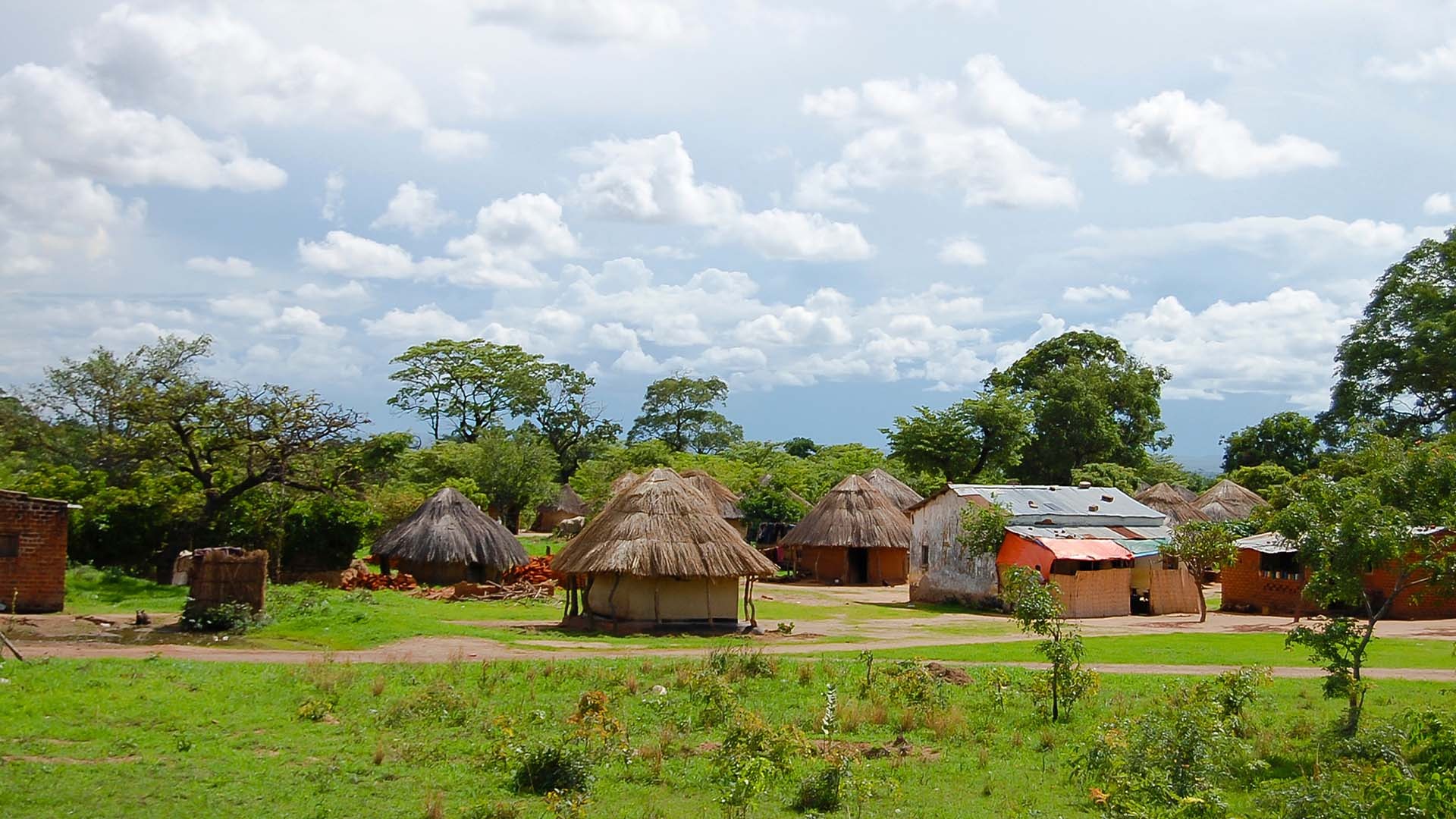
The idea that people have responsibilities toward their wider community remains influential across Africa.
Neighbours and extended family members often come together during weddings, funerals, births, celebrations and difficult periods. Modern urban life has changed how communities interact, but the idea of supporting one another remains strong.
5. Traditional Foods
Many foods that originated from African communities remain part of everyday life.

Staples such as cassava, yam, millet, sorghum, plantain and maize continue to feature in meals across different parts of the continent. Traditional cooking methods and recipes have also influenced modern African restaurants and food businesses.
6. Traditional Clothing
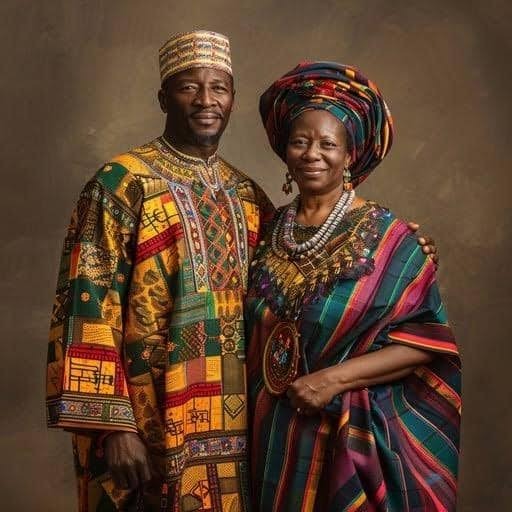
African clothing continues to influence modern fashion, because fabrics, patterns, embroidery and traditional garments are regularly incorporated into contemporary clothing.
Designers increasingly combine traditional African influences with modern styles, allowing cultural elements to appear in everything from everyday clothing to international fashion.
7. Music and Drumming
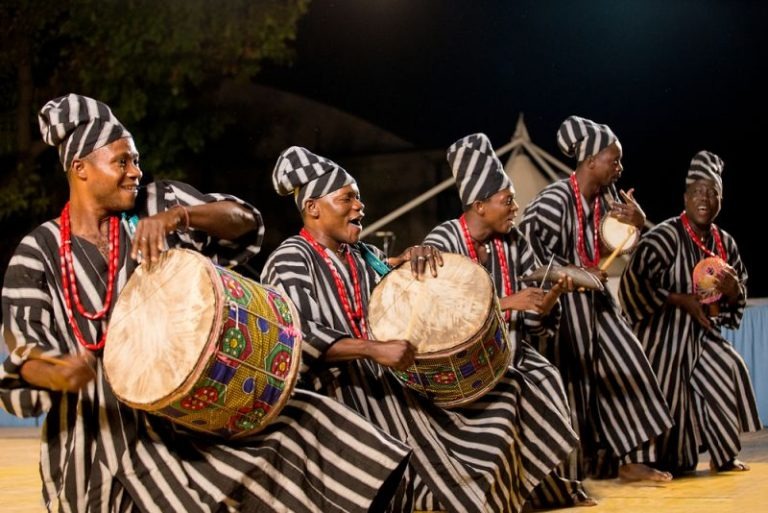
Music has always played an important role in African communities. Drums and other instruments have traditionally been used for celebrations, ceremonies, communication and storytelling.
Their influence can still be heard today in genres such as Afrobeats, Amapiano and other African musical styles that have gained audiences around the world.
8. Proverbs
African societies have long used proverbs to communicate wisdom in short and memorable ways.
Expressions such as “It takes a village to raise a child” reflect the importance placed on community and collective responsibility. Proverbs continue to appear in everyday conversations, speeches, literature and social media.
Culture
Read Between the Lines of African Society
Your Gateway to Africa's Untold Cultural Narratives.
9. Festivals and Community Celebrations
Traditional festivals continue to bring communities together across Africa. They may celebrate harvests, historical events, religious traditions, ancestors or important cultural beliefs.
While many festivals have evolved over time, they remain opportunities for people to preserve traditions, wear cultural clothing, perform music and dance, and pass customs to younger generations.
10. Extended Family Support
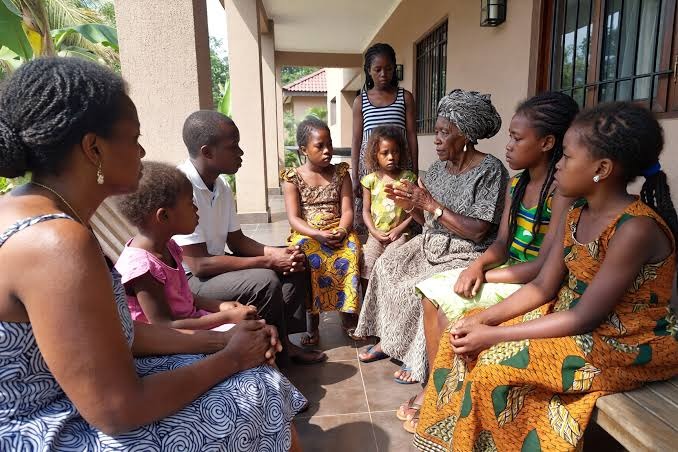
The African family has traditionally extended beyond parents and children to include grandparents, uncles, aunts, cousins and other relatives.
Although migration, urbanization and changing lifestyles have affected family structures, extended family networks remain important in many African societies. Relatives may provide childcare, financial assistance, advice or support during major life events.
Conclusion
African culture continues to evolve, but some traditions have changed, while others have adapted to modern lifestyles.
What remains important is the influence these practices have on everyday life—from family relationships and food to fashion, music and celebrations.
They demonstrate that culture is not only about preserving the past; it is also about how people carry parts of that past into the present and reshape them for the future.