10 African Countries With the Lowest GDP Per Capita in 2026
From South Sudan to Sudan, these 10 African countries have the lowest GDP per capita in 2026—but what is keeping their economies behind?
What does it really mean when a country has a GDP per capita of less than $1,000?
It does not automatically mean that every person in that country earns less than $1,000 a year. GDP per capita is simply the value of a country's economic output divided by its population. It can give us an idea of the size of an economy relative to its population, but it is not the same thing as average income, personal wealth or a direct measure of poverty.
Still, when countries repeatedly appear at the lower end of global GDP-per-capita figures, there is usually a bigger story behind the numbers.
This was based on 2026 estimates from the International Monetary Fund (IMF), several of the countries with the lowest nominal GDP per capita are in Africa.
Their stories are different, but many share familiar challenges: conflict, limited infrastructure, dependence on agriculture or natural resources, climate shocks, weak investment and rapid population growth.
Here are the 10 African countries with the lowest GDP per capita based on the available 2026 figures.
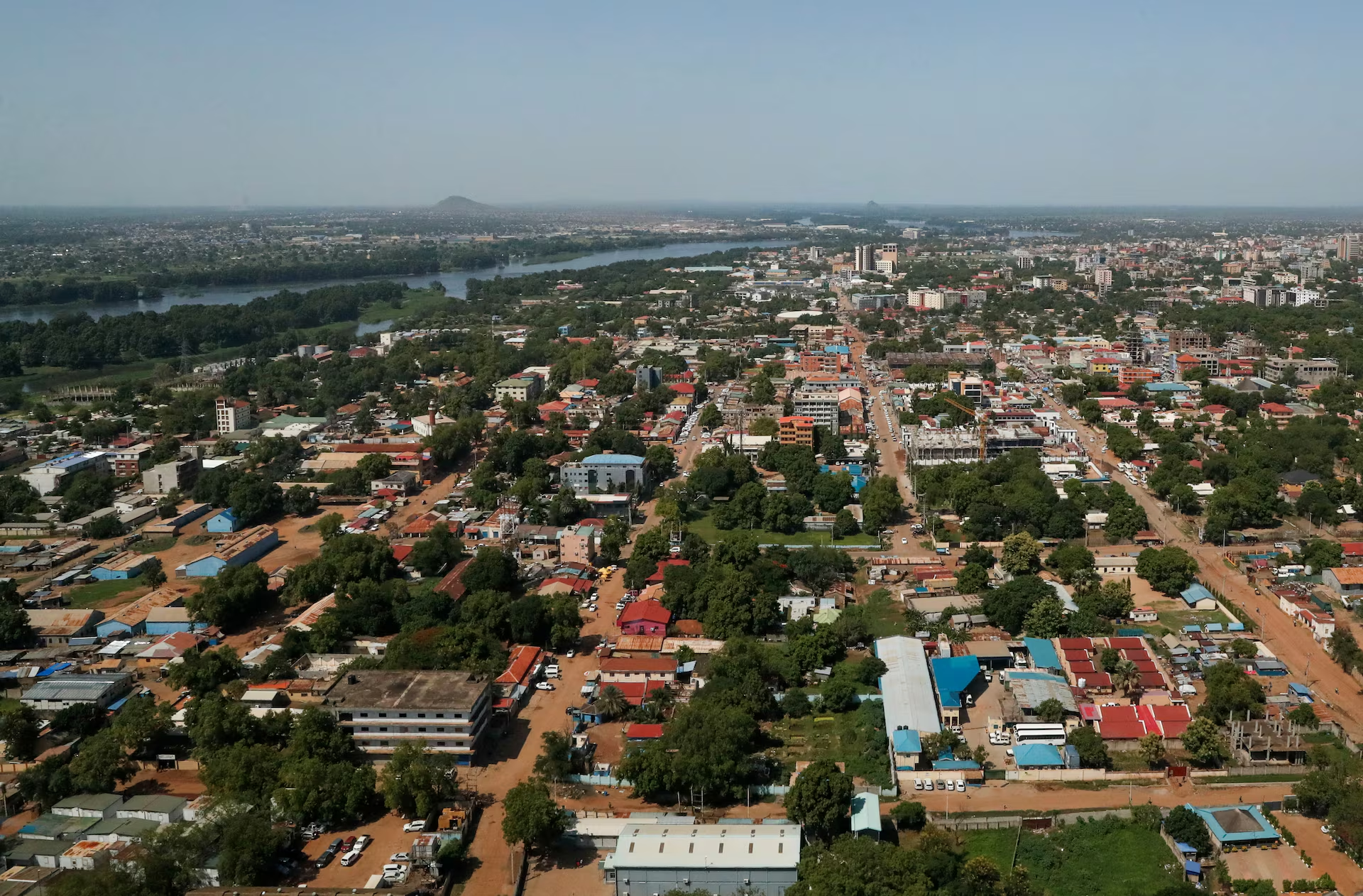
1. South Sudan — $488
South Sudan is the world's youngest country, having gained independence from Sudan in 2011.
It is also a country with significant oil resources, making petroleum exports an important part of its economy. Yet having oil underground does not automatically translate into prosperity for the people living above it.
Years of conflict, displacement, food insecurity and limited infrastructure have made economic development difficult. Roads, healthcare, education and other basic systems remain difficult to develop at the scale the country needs.
With a projected GDP per capita of about $488 in 2026, South Sudan sits at the bottom of this list.
Its story shows one of the contradictions of natural-resource wealth: a country can possess valuable resources while large sections of its population continue to face serious economic difficulties.
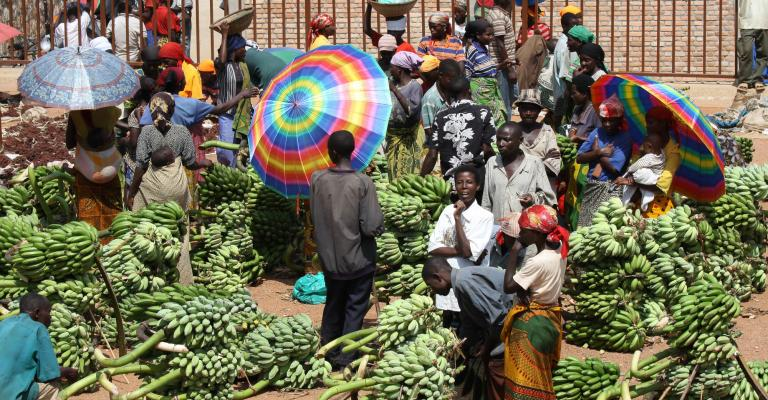
2. Burundi — $546
Burundi is a small, landlocked country in East Africa where agriculture remains central to everyday economic life.
Coffee and tea are among its important exports, but the economy has limited industrial capacity and faces the pressure of a rapidly growing population.
Past political instability has also affected development, investment and economic opportunities.
With a projected GDP per capita of $546 in 2026, Burundi remains one of the world's poorest economies by this measure.
The challenge is not simply producing more. It is creating an economy capable of turning production into better-paying jobs, stronger businesses and wider opportunities.
3. Central African Republic — $613

The name itself tells part of the story: the Central African Republic sits in the heart of the continent, surrounded by other countries and without direct access to the sea.
Yet beneath its land are valuable resources, including diamonds, gold, timber and uranium.
The problem has been turning those resources into broad economic development.
Political instability and armed conflict have repeatedly disrupted economic activity and made it harder to attract investment or build reliable infrastructure.
With a projected GDP per capita of $613 in 2026, the country illustrates how natural resources alone cannot guarantee prosperity.
Resources need functioning institutions, infrastructure, security and businesses capable of creating value beyond simply extracting and exporting raw materials.
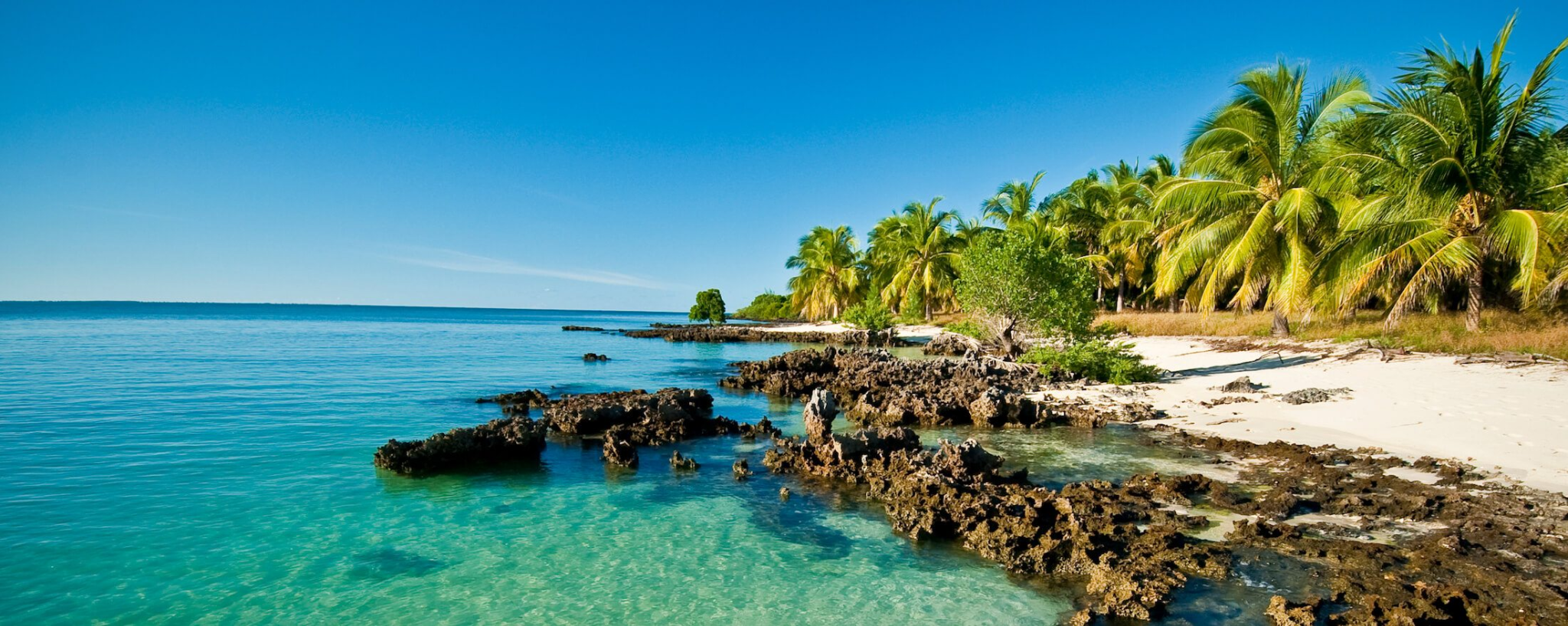
4. Mozambique — $632
Mozambique has something many countries would consider a major economic advantage: a long coastline, natural resources and significant reserves of natural gas, coal and minerals.
Agriculture is also important to the economy.
Yet Mozambique's potential has been accompanied by serious obstacles. Poverty remains widespread, while natural disasters, infrastructure problems and conflict in the north have complicated development.
Its projected GDP per capita for 2026 is $632.
The country's story is therefore not one of having nothing. It is more complicated than that.
Mozambique has resources and economic opportunities, but converting those opportunities into broad improvements in living standards remains a major challenge.
5. Madagascar — $656
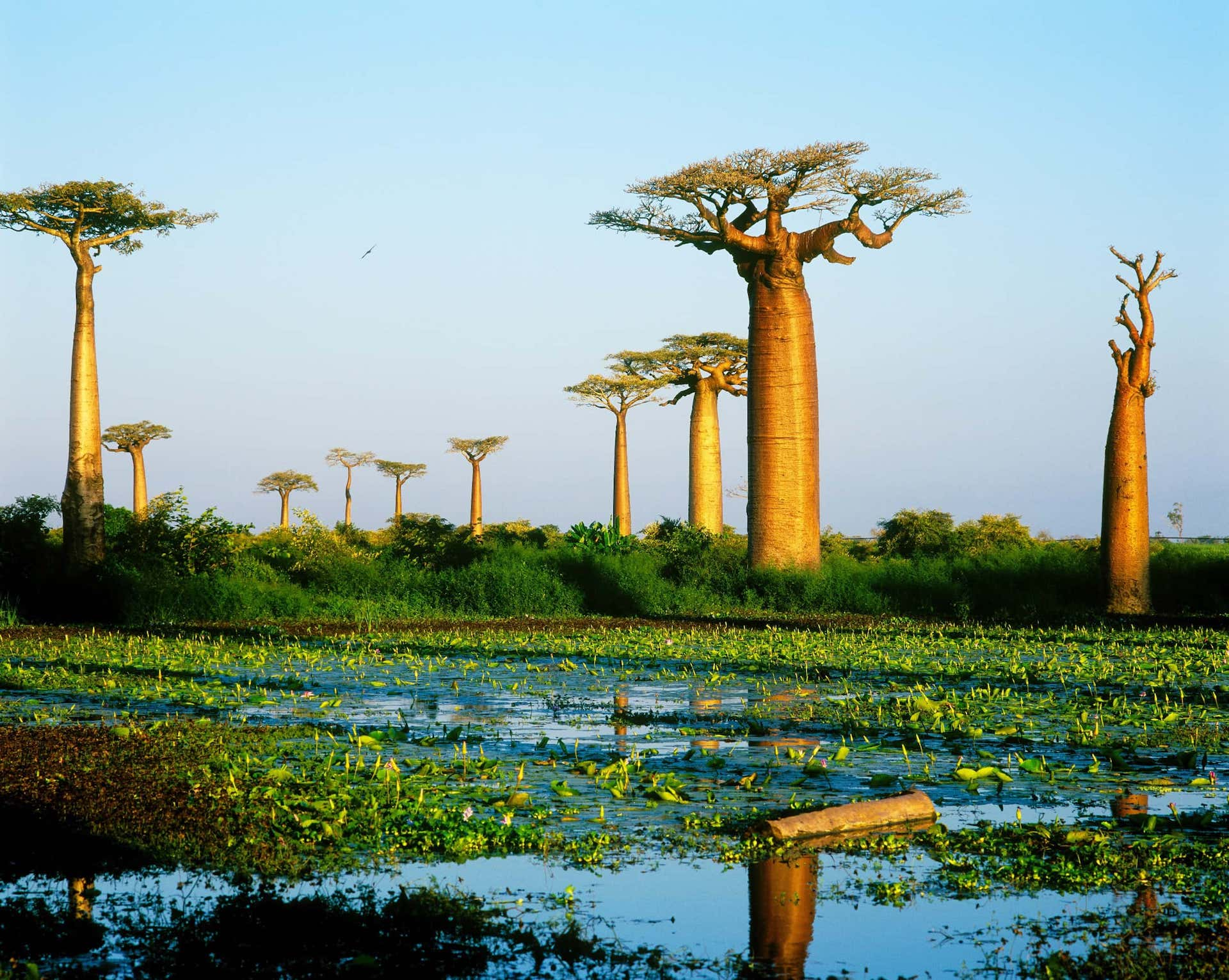
Madagascar is unlike most countries on this list because it is an enormous island nation off Africa's southeastern coast.
Its economy stretches across several sectors, including agriculture, tourism and mining. It is also famous internationally for products such as vanilla.
But geography can be both an advantage and a challenge.
The country is vulnerable to cyclones and droughts, while poverty and limited infrastructure continue to restrict economic opportunities.
Madagascar's 2026 GDP per capita is projected at $656.
Its challenge is not simply finding something to sell to the world. It is building the roads, industries, businesses and systems that allow more people to benefit from what the country already produces.
6. Eritrea — $656
Eritrea sits along the Red Sea in the Horn of Africa, giving it a potentially important geographical position for trade.
Agriculture and mining are important parts of its economy, particularly gold and other minerals.
However, limited investment, drought and restrictions affecting economic activity have constrained development.
The figure of $656 needs an important clarification: the Eritrea figure listed in the IMF-sourced dataset is not an IMF 2026 projection. It is based on UN data from 2023.
So while Eritrea appears alongside the other countries in this comparison, its figure should not be interpreted in exactly the same way as the IMF's 2026 projections for the other countries.
7. Malawi — $733
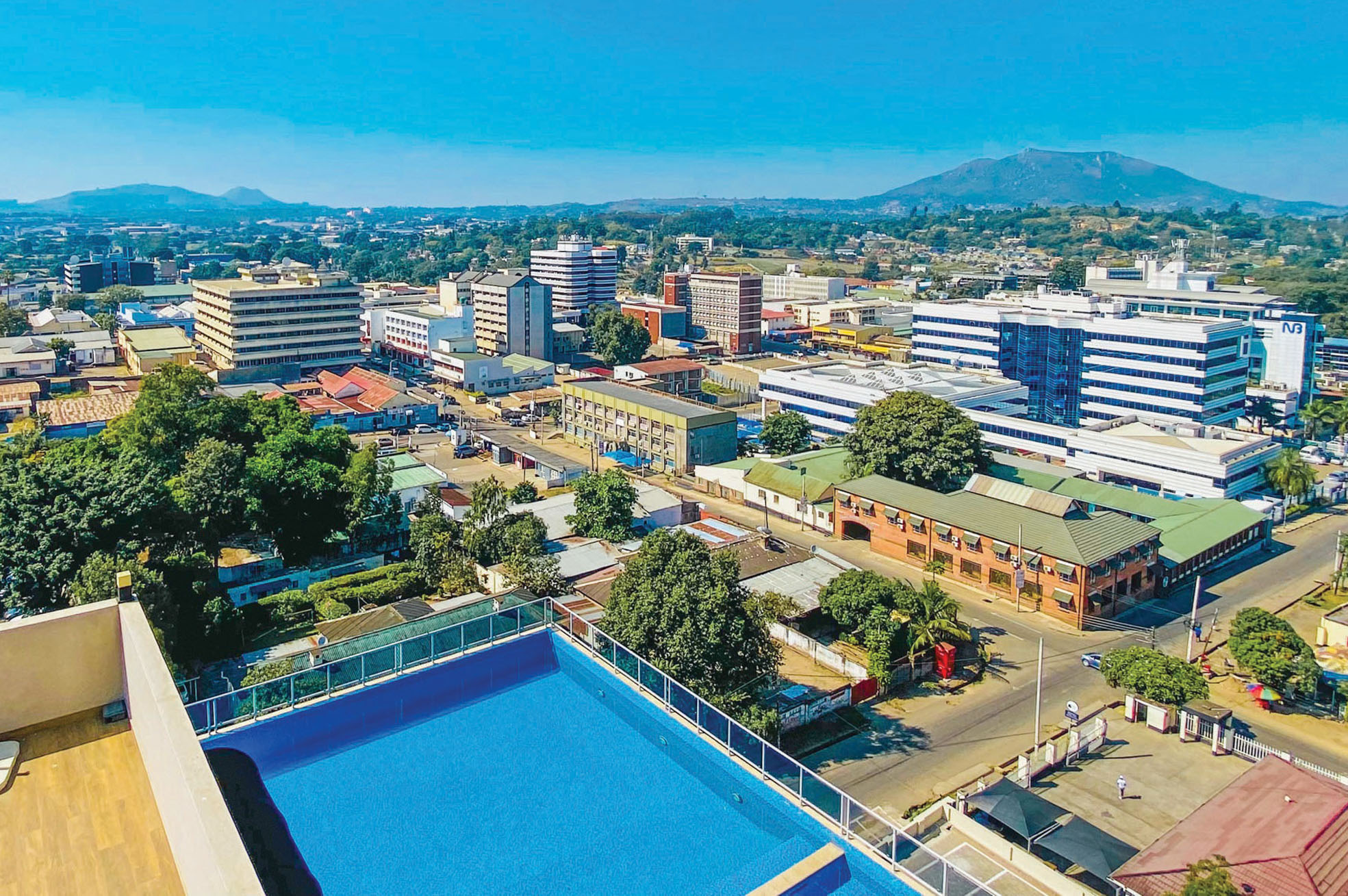
Malawi is a landlocked country in southeastern Africa, often called the “Warm Heart of Africa.”
Agriculture employs a large share of its population, while tobacco, tea and sugar are among its important products.
But depending heavily on agriculture also leaves an economy vulnerable to the weather.
Droughts and floods can quickly affect crops, food supplies, incomes and export earnings. Malawi also faces foreign-exchange shortages and other economic pressures.
Its projected GDP per capita for 2026 is $733.
For Malawi, one of the long-term questions is how to move beyond an economy heavily dependent on agriculture and create more industries and higher-value economic activities.
8. Somalia — $813
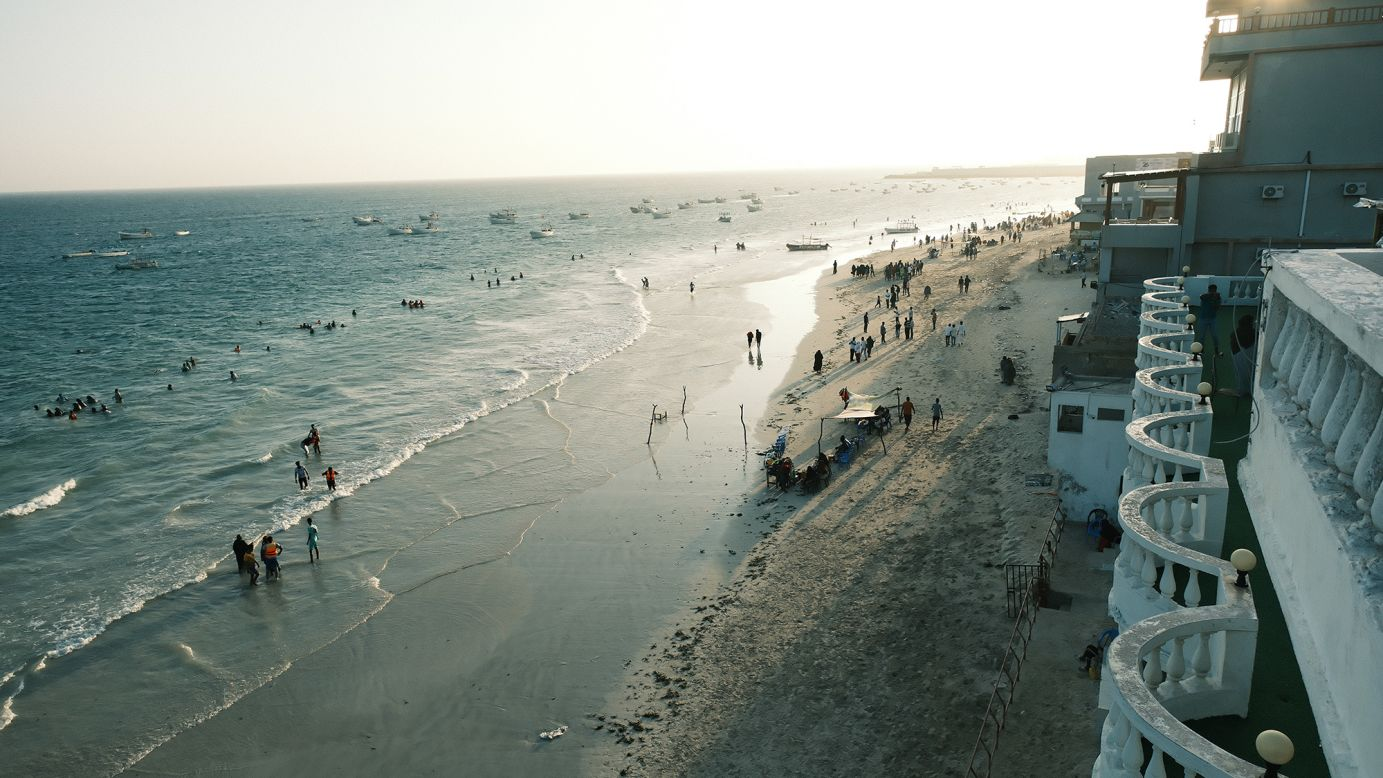
Somalia occupies a strategic position in the Horn of Africa and has Africa's longest mainland coastline.
Its economy includes livestock, agriculture, telecommunications and remittances from Somalis living abroad.
But years of conflict have left deep economic consequences.
Drought, food insecurity, weak infrastructure and insecurity have made it difficult for many communities to participate fully in economic growth.
Somalia's projected GDP per capita is $813 in 2026.
Yet the figure does not tell the entire story of the country. An economy can contain growing businesses and important sectors while still having a very low GDP per person when conflict, infrastructure gaps and a large population limit overall productivity.
9. Niger — $822
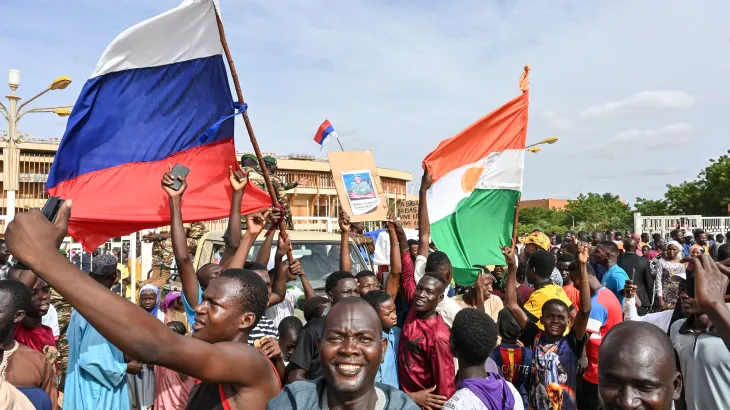
Niger is a landlocked West African country, with much of its territory covered by the Sahara Desert.
Agriculture and livestock remain important sources of livelihood, while uranium mining has historically played a significant role in the country's economy.
But Niger faces several problems at once: drought, desertification, insecurity and rapid population growth.
These pressures make it difficult to increase economic output quickly enough to keep pace with the needs of a growing population.
The IMF projects Niger's GDP per capita at $822 in 2026.
Its situation also demonstrates why economic development cannot be separated from geography and climate. When large areas are difficult to farm and infrastructure is expensive to build, creating economic opportunities becomes much harder.
10. Sudan — $864
Sudan is one of Africa's largest countries, stretching across Northeast Africa and sharing the Nile River system with several other countries.
Agriculture and livestock have traditionally been important to its economy, alongside gold and other natural resources.
But Sudan's current economic story cannot be separated from the devastating conflict that has disrupted the country.
The fighting has displaced millions of people, damaged infrastructure and disrupted businesses, agriculture and trade.
With a projected GDP per capita of $864 in 2026, Sudan completes this list.
And perhaps more than any other country on the list, its current situation demonstrates how quickly conflict can erase economic progress and make ordinary economic activity extremely difficult.
Why Are These Countries So Poor?
There is no single reason why these countries have such low GDP per capita.
For some, conflict and political instability have destroyed infrastructure and discouraged investment. Others are heavily dependent on agriculture or raw commodities, leaving them vulnerable to climate shocks and changes in global prices.
Rapid population growth, limited access to electricity and transport, weak industrial development, inadequate healthcare and education, and difficulties attracting long-term investment also play a role.
The solutions therefore have to go beyond simply producing more raw materials.
Countries need peace and stronger institutions, better roads and electricity, quality education and healthcare, support for businesses, agricultural modernization, industrialization and investment in sectors that create higher-value jobs.
GDP per capita may be a useful number for comparison, but behind every number are millions of people whose real economic progress will ultimately be measured by something much simpler: whether they can find decent work, afford basic needs and build a better life.