You Know the Fight Against Fake Drugs. But Do You Know Dora Akunyili’s Story?
A vial of fake insulin killed her sister. Years later, Akunyili was confronting the people putting such drugs on Nigeria’s streets.

You probably know Dora Akunyili as the woman who led NAFDAC and became one of Nigeria's best-known public servants.
You may also know her for her fight against fake drugs.
For Akunyili, the problem had started much earlier.
In 1988, her 21-year-old sister, Vivian, died after receiving fake insulin for her diabetes. Akunyili later said the insulin was contaminated, did not contain the treatment her sister needed and caused abscesses.Vivian eventually died from hyperglycemia, and it was the fake insulin, not the diabetes itself, that killed her.
Thirteen years later, Akunyili took over as Director-General of the National Agency for Food and Drug Administration and Control (NAFDAC).
She came into an agency dealing with a drug market where counterfeit and unregistered medicines were widespread.
Akunyili Takes on the Drug Trade

Akunyili became NAFDAC's Director-General in April 2001.
She later said more than 41 percent of drugs circulating in Nigeria were fake or substandard when she took over, while about 68 percent were unregistered.
Those figures were estimates she cited in describing the drug market at the time, rather than a single agreed national measurement.
Under her leadership, NAFDAC stepped up inspections and raids, seized counterfeit medicines and destroyed them. The agency also moved against businesses and traders involved in the trade.
One of its biggest operations was at Bridge Head Market in Onitsha, a major drug distribution centre.
On 6 March 2007, NAFDAC shut the market with the backing of soldiers and police. Over the next four weeks, officials said more than 80 truckloads of counterfeit drugs were hauled away.
Akunyili also faced threats over the campaign.
The Threats Turned Violent
History
Rewind the Stories that Made Africa, Africa
A Journey Through Time, Narrated with Insight.
She received death threats against herself, her family and her staff.
On 26 December 2003, gunmen opened fire on her convoy in Anambra State.
Akunyili later recalled that the bullet went through her headscarf and passed through the windscreen of the car, leaving her hair burnt. A bus driver, Emeka Oneikutu, was killed in the attack.
Akunyili survived.

Within days, NAFDAC's Lagos secretariat was set ablaze on 7 March 2004, and three days later the agency's laboratory in Kaduna was also burned down.
Despite the attacks, the enforcement campaign continued.
Did the Numbers Improve?
In 2007, Akunyili said the national average for fake drugs had fallen to about 15 percent, citing a joint NAFDAC-World Health Organisation study. She put the figure in Onitsha at about 30 percent.
The figures from this period varied across studies, so the 15 percent figure is best treated as the result Akunyili reported from that particular study, not as a fixed measure of Nigeria's entire drug market.
During her tenure, NAFDAC also ran public campaigns about counterfeit and substandard medicines, while its raids and seizures received considerable attention.
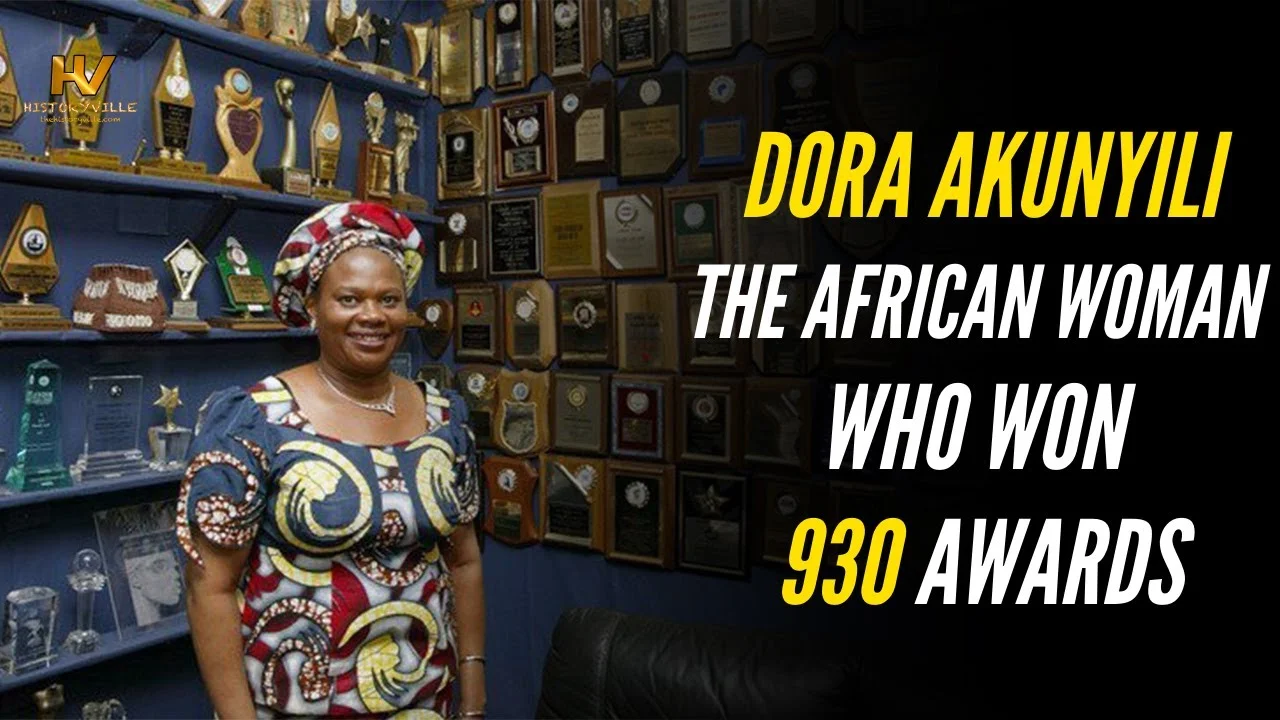
She received numerous awards for her works.
Akunyili left NAFDAC in 2008 and later became Minister of Information and Communications.
She died on7 June 2014 at the age of 59 after a two-year battle with uterine cancer.
Her career went beyond the fight against fake drugs. But that part of her story had begun years before she became NAFDAC's director-general.
History
Rewind the Stories that Made Africa, Africa
A Journey Through Time, Narrated with Insight.
Her sister needed insulin, she received a fake instead.