Windows 10 End-of-Support Countdown: 650 Million Users Face Security and Upgrade Challenges
Microsoft's Windows 10 is nearing its end-of-support date on October 14, 2025, leaving 650 million users vulnerable to security threats and forcing many into costly hardware upgrades. This move has drawn widespread criticism from consumer and environmental groups, highlighting the global implications for digital access and e-waste.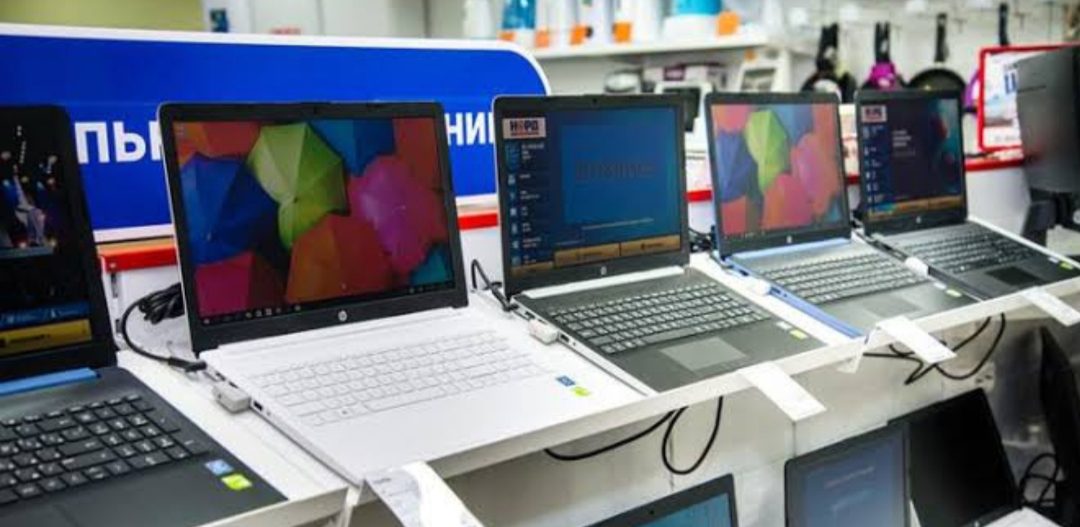
Less than four weeks before Microsoft terminates support for Windows 10, an estimated 650 million people worldwide still rely on the operating system, with up to 400 million PCs not qualifying for an upgrade. This impending deadline has sparked significant alarm among consumer organizations, cybersecurity experts, and environmentalists, who warn that millions will be left vulnerable or forced into unnecessary hardware upgrades.
Microsoft has officially confirmed that Windows 10 will reach its end-of-support on October 14, 2025, marking the conclusion of its 10-year lifecycle. After this date, users will no longer receive crucial monthly security patches and bug fixes. This leaves newly discovered vulnerabilities exposed, turning older, unpatched devices into prime targets for cyber attackers and posing a severe risk to user data and system integrity.
The decision has drawn sharp criticism from consumer groups in both the US and Europe, who argue that it unfairly pressures individuals to replace perfectly functional machines. Consumer Reports condemned the move as “a blow to consumers’ pocketbooks,” highlighting the substantial costs households with multiple PCs would incur to maintain security.
Environmental concerns have also been raised, with the French campaigning group Halte à l’Obsolescence Programmée (HOP) launching a petition for free updates until 2030, citing the immense environmental expense of mass device upgrades. Germany’s Verbraucherzentrale echoed these sentiments, announcing plans to address reduced consumer choice and the generation of unnecessary e-waste.
While Microsoft has actively encouraged users to upgrade to Windows 11, often available as a free download, a significant number of existing PCs are not compatible with the newer operating system due to its stringent hardware requirements. These include the necessity for modern processors, Trusted Platform Module (TPM) 2.0 support, and specific security features.
Consequently, analysts estimate that hundreds of millions of users will be compelled to purchase new hardware to continue receiving essential updates. For those unable or unwilling to upgrade immediately, Microsoft offers a paid extension: users can buy a one-year extension of security patches for $30 per machine, providing a temporary reprieve and time to plan their upgrade strategy. Large businesses also have access to multi-year coverage, albeit at a higher price point.
Cybersecurity experts unequivocally warn that ignoring the end-of-support deadline is not a secure option. Without regular updates, systems are left unprotected against the latest cybersecurity threats. Attackers are well aware that vulnerabilities in unpatched systems will remain unfixed, making them easy targets. It is anticipated that the weeks following October 14, 2025, could witness a significant surge in malware infections among Windows 10 systems that remain connected to the internet.
Users who do not qualify for a Windows 11 upgrade have been advised by Microsoft to purchase new, compatible PCs. Tech experts also suggest considering alternative operating systems such as Linux. The sheer scale of this transition, affecting 650 million users, makes it one of the largest operating system migrations in technology history, involving a massive wave of software upgrades, hardware purchases, and extensive IT planning for both individual consumers and large enterprises.
Analysts foresee a boost in demand for PC manufacturers in the coming year. However, the impact is expected to be mixed, particularly in developing countries where older computers are prevalent and budgets are constrained, potentially exacerbating digital exclusion for students, small businesses, and lower-income families who cannot afford the necessary upgrades.
Despite mounting criticism, Microsoft has shown no inclination to extend the free update period. Instead, the company continues to promote Windows 11 as the future of its platform, justifying the upgrade with promises of improved security features, AI-driven tools, and longer support lifecycles. As the deadline approaches, the clock continues to tick for millions of Windows 10 users worldwide.