Why the UN’s Climate Vote Could Change How Countries Are Held Accountable
The UN has adopted a landmark ICJ climate opinion declaring environmental protection a legal duty for countries. This is why the decision could reshape climate accountability worldwide.
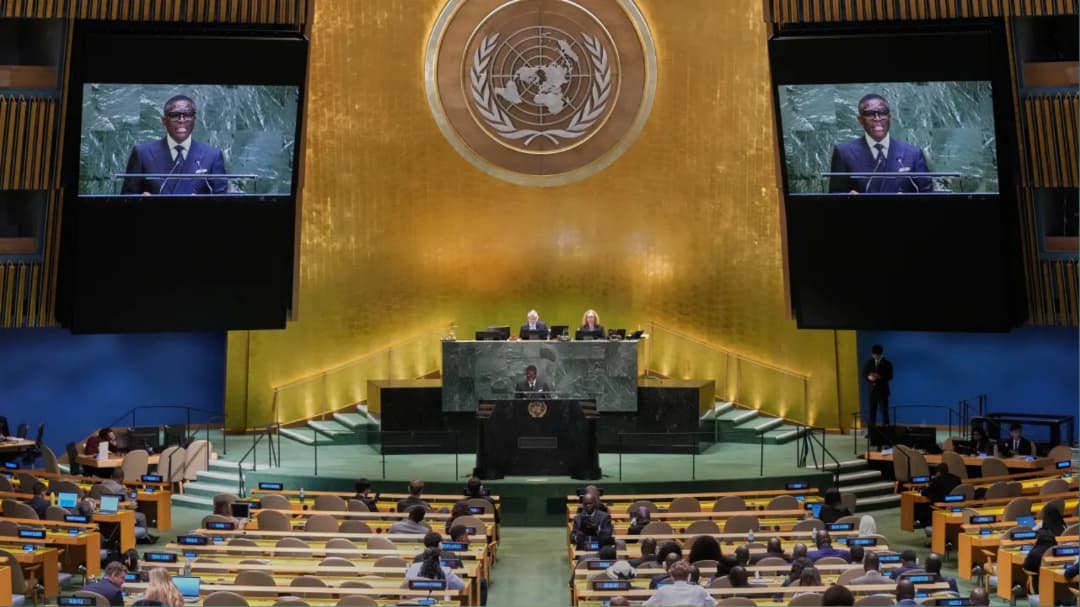
On May 20, the United Nations General Assembly adopted an advisory opinion from the International Court of Justice (ICJ) declaring that countries have a legal duty to protect the environment from greenhouse gas emissions.
Backstory for context, for years, climate discussions mainly revolved around promises. Governments attended summits, announced targets, and negotiated emission cuts while environmental problems continued to worsen across many parts of the world.
They had always signed environmental agreements that often sounded ambitious on paper but moved slowly in reality.
The new ICJ position introduces a stronger idea: countries could increasingly be expected to answer for environmental harm.
Why the ICJ Opinion Matters
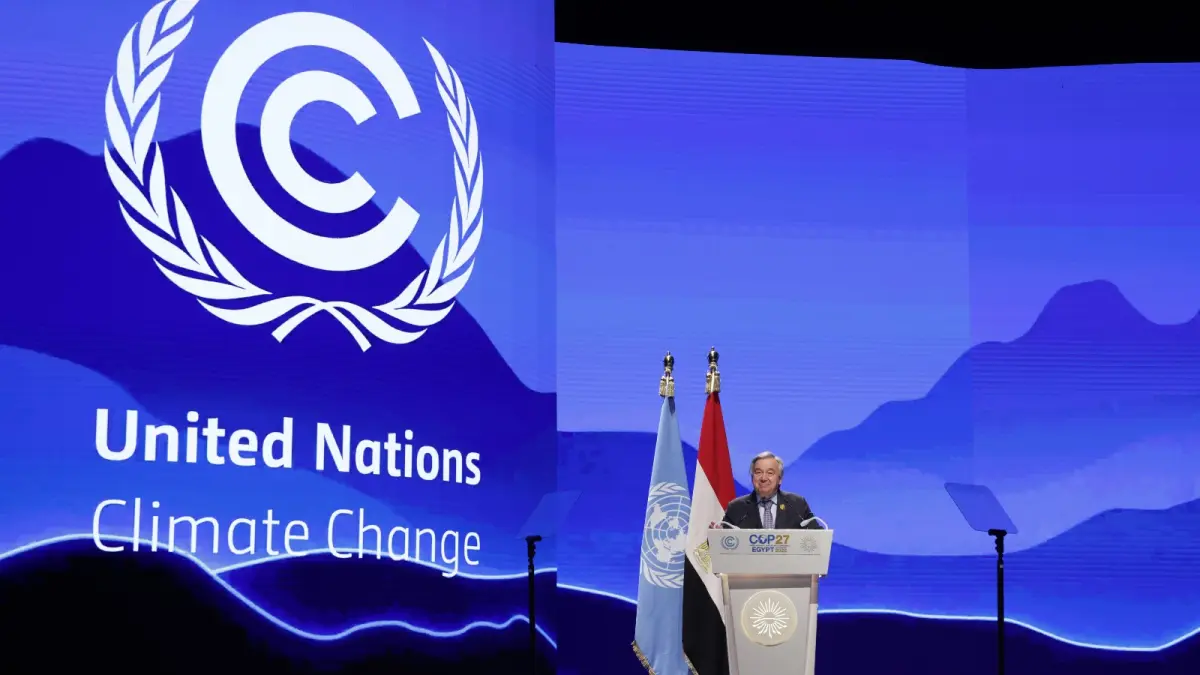
The International Court of Justice is the highest court of the United Nations. While its advisory opinions are not legally binding, they carry significant influence in international law and diplomacy.
In its 2025 opinion, the court stated that governments are expected under international law to protect the climate from harmful human activities linked to global warming.
The court also suggested that countries responsible for serious environmental damage could face legal consequences in certain situations.
That alone changes the direction of global climate conversations.
Many international climate agreements previously depended on voluntary commitments. Governments could delay environmental targets or weaken policies with little consequence beyond criticism from activists and other countries.
The ICJ opinion strengthens efforts to treat climate protection as something closer to an international obligation.
Why Some Countries Opposed It
Not every country supported the resolution and we sure are thinking why this is.
The United States, Russia, Saudi Arabia, Iran, and a few others voted against it, while several countries abstained.
Much of the resistance comes from economic concerns.
Many governments still rely heavily on oil and gas industries and stronger climate expectations could increase pressure to reduce fossil fuel dependence more quickly, invest in renewable energy, and defend environmental records more aggressively.
There is also growing concern about climate-related lawsuits.
As environmental accountability gains legal recognition internationally, governments and corporations could face demands for compensation over pollution, ecological destruction, or climate-related disasters.

That possibility makes the debate far more sensitive politically.
Africa’s Place in the Climate Debate
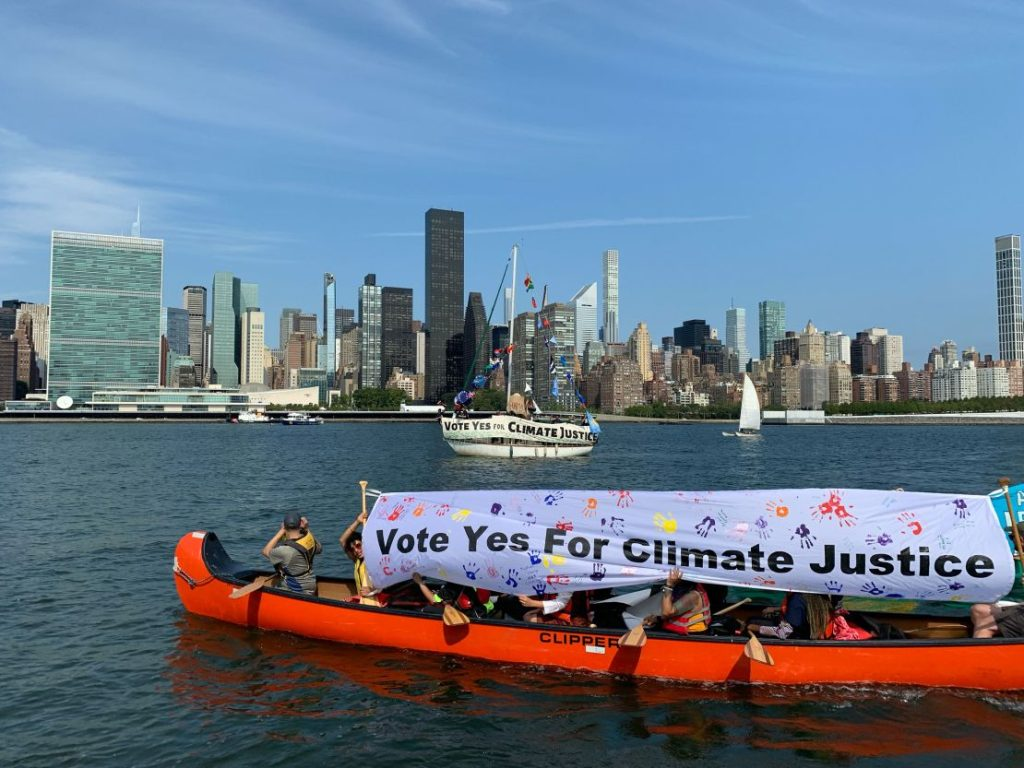
Nigeria was absent during the vote, but the wider issue remains highly relevant across Africa.
Flooding, droughts, rising temperatures, and food insecurity already affect millions of people across the continent. In Nigeria, repeated floods have displaced communities and destroyed farmland in several states over recent years.
At the same time, Africa contributes far less to global carbon emissions than many industrialised economies.
That imbalance sits at the centre of global climate justice debates. Many developing countries argue that nations responsible for most historical emissions should carry greater responsibility for environmental damage and climate adaptation efforts.
The ICJ-backed position gives vulnerable countries stronger support for those arguments on the international stage.
What Happens Next?
The UN vote will not suddenly solve the climate crisis or end disagreements over energy policy.
But it reflects a growing shift in global thinking.
As climate disasters continue affecting countries worldwide, governments may face increasing pressure not just for what they promise, but for what they fail to prevent.