When Your Leader Looks Like You: The Mirage of Youth in Power
Africa’s youth make up most of the population but remain locked out of power. This article explores why generational change still feels far away — and how young Africans are building a new kind of leadership from the ground up.

“We wanted change. They gave us younger versions of themselves.”
That was what Seyi muttered under his breath on election night, his eyes fixed on the screen. The cameras panned across smiling campaign teams, some young, some old, but they all spoke the same language of vague promises and recycled slogans.
It was a familiar story. The faces were younger this time, but the system felt ancient.
Every election season comes with a remix of promises: empowerment, reform, inclusion. The banners are brighter, the candidates look younger, the hashtags are catchy. But once the lights dim, the story remains the same, the decisions are still made in rooms where youth are tokens, not players.
Across the continent, the math is simple but tragic: Africa’s median age is about 18, but its average president is over 60. A generation that should be shaping the future is still begging to be let into the room.
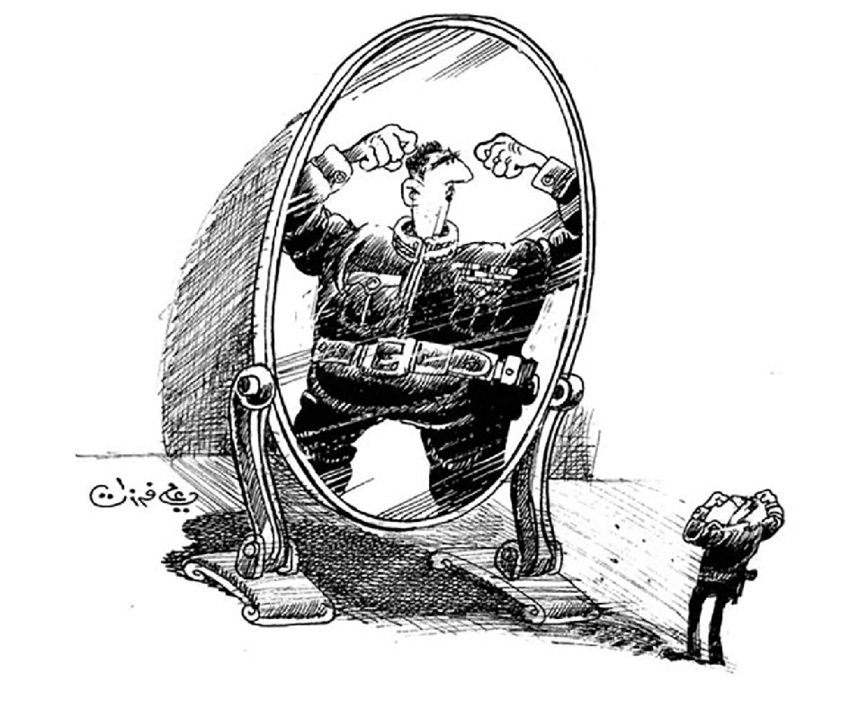
The Illusion of Youth in Power
If you scroll through African political spaces, you will notice something: youth energy is everywhere but youth power is not. Campaigns are run by 25-year-olds who design posters and hashtags, but the final say always belongs to a 70-year-old in a flowing agbada or Italian suit.
From Nigeria’s “Not Too Young To Run” movement to Kenya’s #YouthForChange campaigns, young people have fought to be seen. And yes, they have won visibility but not always influence. What we have now feels like an illusion of progress.
We have got “Special Assistants on Digital Media” who tweet about change but cannot challenge the system that hired them. We have got youth conferences funded by the same political godfathers that block reform.
As Kenyan writer, Patrick Gathara, once put it, “The problem is not the absence of young people in power, but the absence of new thinking.”
Youth is not just about age. It is about imagination and that is the one thing African politics keeps rejecting.
Political Recycling Is Africa’s Favourite Sport
Let’s be honest, Africa recycles leaders like it is a plastic recycling company.
Cameroon’s Paul Biya has been in power since cassette tapes were trending. Uganda’s Yoweri Museveni has seen the rise and fall of every social media app. In Nigeria, the same names from our parents’ newspaper headlines now dominate our timelines.
Even when we do get new faces, the system finds a way to absorb them. A 35-year-old senator raised by a 70-year-old political godfather is just a younger mask on an old face. The script rarely changes, just the actors.
The reason is simple: power here is hereditary, not ideological. It is passed down, not earned. Many young politicians get into politics not to disrupt it, but to inherit it.
They speak of change, but they move with the same playbook. They choose loyalty over integrity, image over ideas, comfort over courage.

The Tokenism Trap

is Africa’s favorite PR move.
Need to look inclusive? Appoint a 30-year-old spokesperson. Need to trend on TikTok? Invite influencers to the campaign. Need to distract the youth? Promise a “youth advisory council.”
But here is the truth: representation without reform is just rebranding.
The system loves youthful faces as long as they don’t shake tables. So, young appointees often become microphones, not megaphones. They echo the establishment instead of challenging it.
Honestly, it is a tough choice to speak the truth and risk losing your position, or play along and enjoy the perks.
Many choose the latter, and who can blame them? The cost of integrity in African politics is steep. It feels more like career suicide without a safety net.
But while the system wins short-term control, it loses long-term trust. The youth are watching. And they are getting tired of symbolic inclusion.
The Cost of Stagnation
When generations are locked out of leadership, nations suffer a silent collapse.
Across Africa, unemployment is soaring. The African Development Bank estimates that over 70% of the unemployed population are under 35. That is not just a number or percentage, but rather millions of restless, creative, ambitious people stuck in survival mode.
We tell young people they are the “leaders of tomorrow.” But what happens when tomorrow never comes? They migrate, disengage and stop believing.
In African cities, we see the tech bro who is saving for a Canadian visa instead of building a startup. Or the activist who has switched from organizing protests to editing skits because “nothing changes anyway.”
This is what generational stagnation does. It breeds apathy dressed as humour, frustration disguised as hustle. It kills hope quietly.
But There’s Hope Just Not Where You Expect It
Despite the gloom, a new kind of leadership is rising and maybe not the kind of one that wait for elections or endorsements.
Young Africans are finding power outside the traditional system: through tech, art, activism, and storytelling.
Platforms like BudgIT and FollowTheMoney in Nigeria are forcing governments to stay accountable. Kenya’s Siasa Place is teaching civic engagement at the grassroots level. Ghanaian and South African youth movements are turning data into democracy.
And on social media, where traditional politicians once only posted campaign fliers, young Africans are shaping policy conversations in real time. One viral post can spark protests, shift public opinion, or expose corruption.
Take a look at the infamous #EndSars protest which started from posts on X; that is the real change we are talking about.
Leadership is no longer just about holding office; it is about holding space. Change, it seems, is not waiting for permission anymore.
The Revolution May Not Be Televised But It is Already Happening
Generational change is a mindset shift.
It is in the refusal to inherit silence. It is in the decision to build even when you are excluded.
It is the belief that leadership begins with accountability, not applause. Africa’s future would not be written by the same pens that drafted its past.
It will be scripted by the youth coding in dim cafés, by the writers chronicling our contradictions, by the women breaking gender rules, by the students refusing to stop asking why.
The revolution might not trend forever but it is already in motion.
Because the truth is this: the future does not need permission. It just needs persistence.
And when leadership finally starts to look like the people it serves, bold, flawed, tech-savvy, creative, impatient, and real, Africa won’t just change governments. It will change direction.
The generation before us inherited broken systems and patched them with old glue.
Our task is harder, to rebuild, not repaint. To lead, not just be led.
Because someday soon, when the cameras pan across a presidential inauguration, we shouldn’t just see younger faces. We should hear new ideas.
We should feel a new heartbeat.
And this time, when we say “our leader looks like us,” it won’t be a complaint.
It will be a victory.