When a Child Lies, Is It Bad Behaviour or a Parenting Conversation Waiting to Happen?
Children lie for many reasons, from fear and embarrassment to imagination and low self-esteem. Understanding why they lie can help parents raise honest, confident children while maintaining discipline, values, and open communication at home.
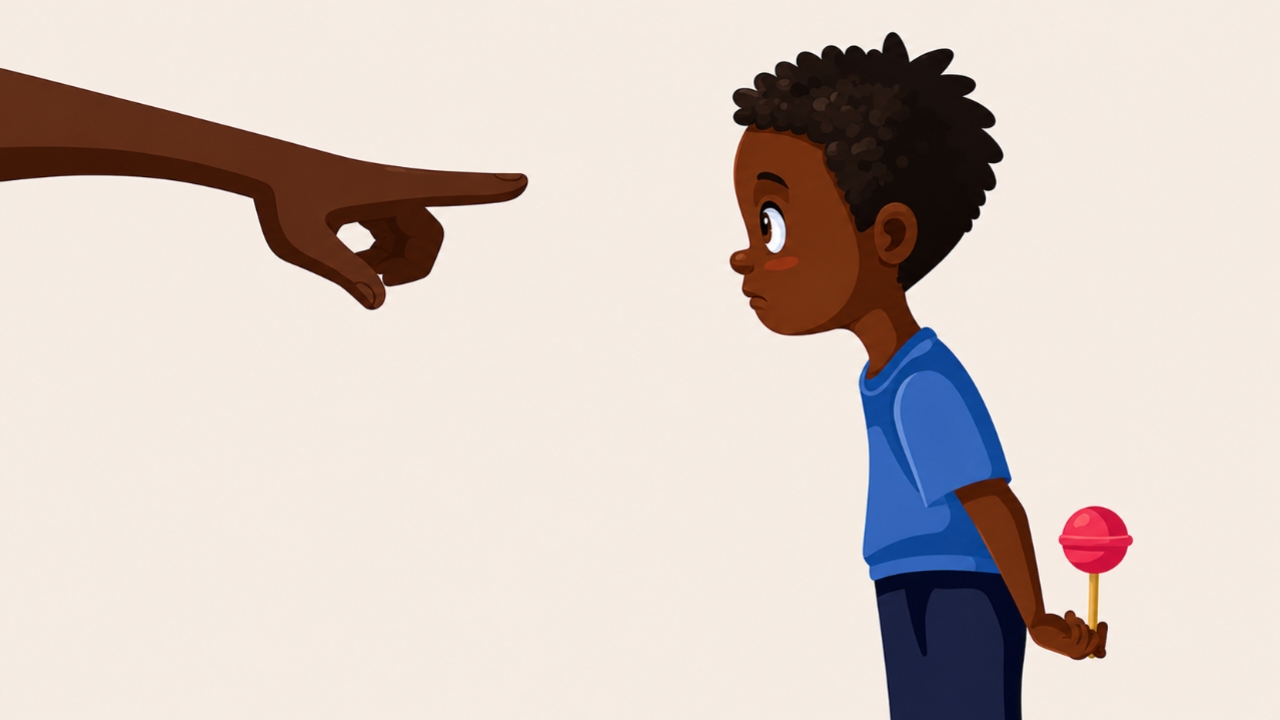
Some children lie most of the time. They always have, and they probably always will. Somewhere across Africa today, a child has denied eating the last piece of meat in the pot, blamed a broken cup on their sibling, or confidently announced that they finished their homework when they haven't even opened their school bag.
For many African parents, lying is one of the behaviours that attracts immediate correction. It is often seen not just as bad behaviour but as a reflection of a child's moral upbringing and also taints the image of their parents.
In many homes across the continent, children are taught from a young age that honesty is a virtue and lying is unacceptable. That lesson remains important, necessary and keen to many African traditions and cultures.
But perhaps one question parents do not ask often enough is this: why is the child lying in the first place?
Children are not miniature adults. They do not think, process emotions, or understand consequences in the same way adults do. Sometimes, what appears to be dishonesty is simply imagination, fear, wishful thinking, or an attempt to navigate emotions they do not yet know how to express.

Understanding why children lie may not excuse the behaviour, but it can help parents respond in ways that teach honesty rather than unintentionally reinforcing dishonesty.
The goal of parenting has never been to raise children who are afraid of making mistakes. It is to raise children who feel safe enough to tell the truth when they do.
Children Don't Just Learn to Lie. Sometimes, They Learn Why They Need To.
Children lie for different reasons depending on their age, environment, and experiences. Younger children may struggle to distinguish between fantasy and reality.
A child who claims to own a bicycle after seeing their friend's new one may simply be expressing a wish rather than deliberately attempting to deceive anyone.
As children grow older, however, their reasons often become more intentional. They may lie to avoid punishment, protect themselves from embarrassment, gain attention, or preserve their self-esteem.
Sometimes, parents unknowingly become part of what reinforces the behaviour. A child who is severely punished every time they tell the truth may quickly learn that honesty comes at a cost.

If admitting they broke a plate leads to shouting, physical punishment, or humiliation in front of others, denying responsibility begins to feel safer than telling the truth.
Children are also paying attention to the adults around them. Parents who ask their children to tell callers they are "not at home" when they are sitting in the living room may unintentionally teach that dishonesty is acceptable when it is convenient.
Parenting, after all, remains one of the most powerful forms of modelling behaviour.
Another reality that often goes unnoticed in African homes is emotional distance between parents and children.
Respect is an important African value, but respect should not be confused with fear. When children grow up feeling unable to express themselves without immediate judgment or punishment, they may learn to hide the truth instead of communicating honestly.
This does not mean parents should tolerate lying or become permissive. Boundaries remain necessary. African parenting has always valued discipline, responsibility, and good character.
The challenge is finding ways to maintain those values while creating an environment where honesty feels safer than deception.

Parents can begin by responding calmly when a child admits wrongdoing, praising truthful behaviour when it happens, and separating the child's actions from their identity.
Saying "What you did was wrong" teaches something very different from saying "You are a liar."
Children should understand that making mistakes does not make them bad people, but choosing honesty even when it is difficult is something worth celebrating.
Raising Honest Children Requires More Than Punishing Lies
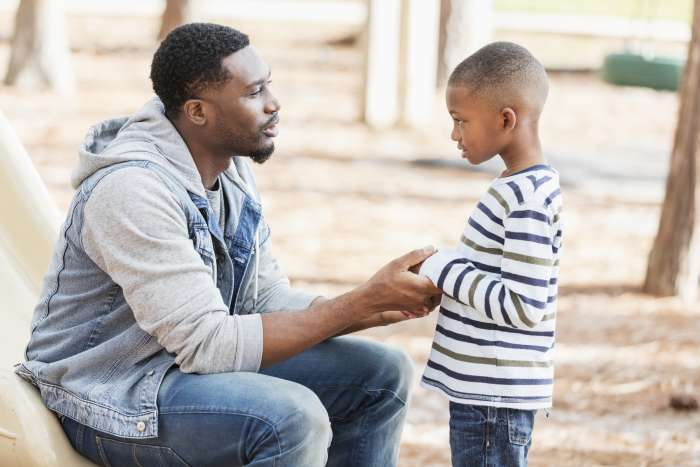
One of the greatest misconceptions about parenting is believing that children become honest simply because they are afraid of consequences.
Fear can produce obedience. It rarely produces honesty. A child who fears punishment may become better at hiding the truth rather than better at telling it.
Over time, habitual lying becomes less about avoiding one particular punishment and more about developing a coping mechanism that follows them into adolescence and adulthood.
Honesty is not a lesson taught in a single conversation. It is something children learn repeatedly through their relationships with the adults around them.
They learn it when parents listen without immediately reacting in anger.
They learn it when mistakes become opportunities to teach rather than opportunities to shame.
They learn it when they see honesty practised consistently within the home.
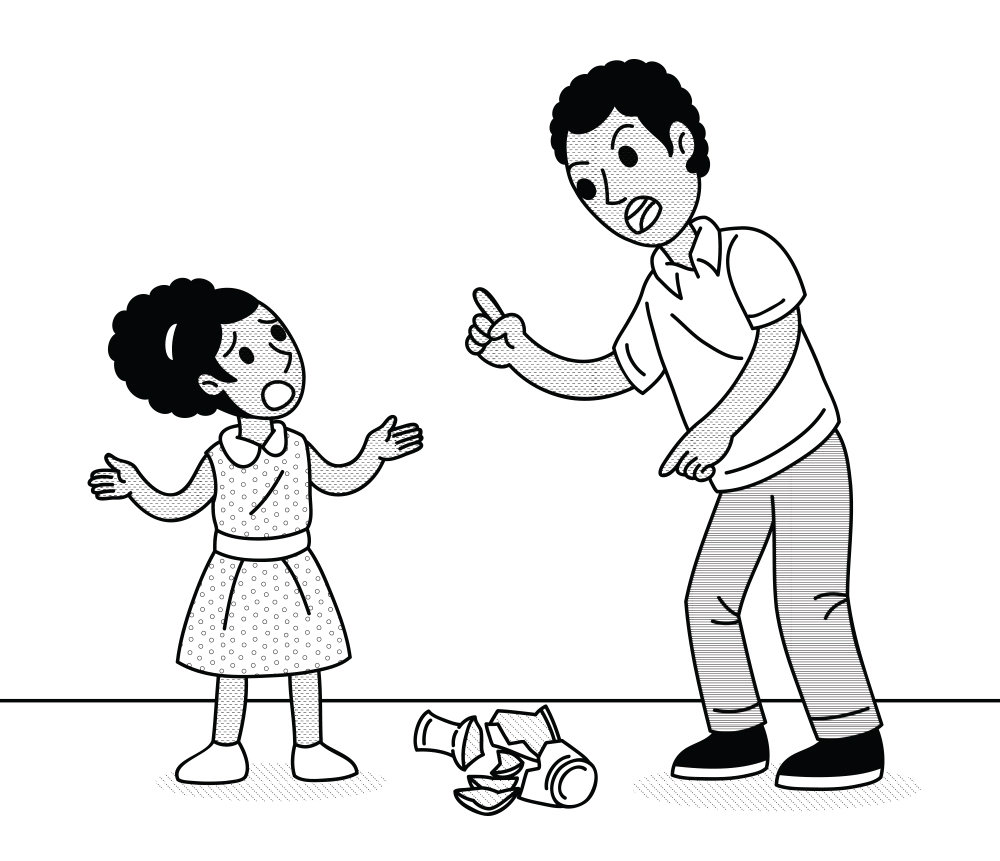
Children should still understand that lying carries consequences and face the consequences squarely. Being understanding does not mean lowering standards or excusing dishonest behaviour.
Rather, it means approaching correction with the intention of building character instead of merely controlling behaviour.
The truth is that every parent wants to raise children who grow into trustworthy adults. That journey begins long before adulthood and often in moments that appear insignificant: a broken toy, a failed test, or a childish excuse offered in fear.
The objective is not to raise children who are afraid of lying. It is to raise children who value telling the truth.
After all, children rarely become honest because they were punished into honesty. More often, they become honest because someone taught them that the truth will always have a place in their home.