US Strikes Expose Ruling Party's Failures in Nigeria, Analyst Claims
Presidential hopeful Gbenga Olawepo-Hashim has sharply criticized recent US airstrikes in Nigeria targeting Islamic State elements, attributing the security failures to the Tinubu administration's governance. He warned of an emerging IS stronghold in the North-West due to poverty and weakened institutions, emphasizing that lasting solutions require urgent internal reforms and decisive leadership from within Nigeria.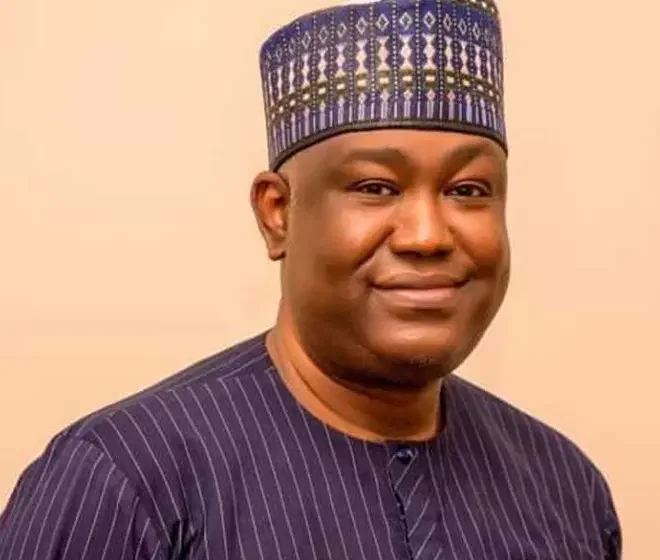
Presidential hopeful Gbenga Olawepo-Hashim has vehemently criticized recent United States airstrikes targeting Islamic State (IS) elements in Nigeria, branding them a severe indictment of the country’s security infrastructure. He squarely attributed this failure to what he termed the persistent governance failures under President Bola Tinubu and the APC-led administration. In a statement released on Sunday, Olawepo-Hashim, a former presidential candidate, articulated that the US intervention underscores growing international apprehension regarding Nigeria’s deteriorating security landscape, particularly in the North-West region, where terrorist groups are steadily solidifying their influence.
Olawepo-Hashim underscored the critical importance of Nigeria, stating that responsible global actors cannot afford to disregard the establishment of an IS foothold within the nation. He emphasized that Nigeria is “too large, too strategic, and too important to be allowed to fail.” He further revealed that his team had issued repeated warnings since 2021, intensifying over the past year, indicating that security modeling in the North-West pointed towards a perilous trajectory, including the potential emergence of an IS-aligned enclave, unless immediate action was taken.
The worsening insecurity, according to Olawepo-Hashim, is a direct consequence of deepening poverty, prolonged governance failure, and weakened institutions. These factors, he argued, have emboldened extremist groups while effectively silencing moderate political and secular voices across the region. He expressed profound concern over the “elevation of individuals who enable or rationalise extremism into positions of political influence,” which he believes creates conditions ripe for terror groups to aspire to territorial control.
While acknowledging that international airstrikes might offer a temporary degradation of terrorist capabilities, Olawepo-Hashim firmly asserted that sustainable, lasting solutions must originate from within Nigeria. He cautioned that external interventions are unlikely to be isolated incidents, necessitating careful negotiation of their guiding mechanisms within a framework of security cooperation between sovereign nations. Such arrangements, he stressed, must include clear accountability structures and transparent reporting measures to prevent abuse and ensure long-term stability.
Olawepo-Hashim issued a stark warning: “The situation in the North-West is dire. Without urgent internal reforms, improved governance, and decisive political leadership, external military interventions will not produce sustainable results.” He also raised questions about the APC-led government's readiness to undertake the crucial internal reforms required to stabilize the country, contending that Nigeria continues to grapple with fundamental governance and security deficits that jeopardize its democratic future. He further alleged that the government’s apparent reluctance to act decisively might stem from political compromises made during the 2015 struggle for power, which he believes now constrains its ability to confront extremist elements directly. Olawepo-Hashim concluded by warning that Nigeria can no longer afford denial or half-measures in the face of what he described as an existential threat, urging for urgent and courageous leadership to prevent any further deterioration of national security.