Urgent Health Alert: Seven Seas Voyager Battles Gastroenteritis Outbreak in Cape Town, Heightened Measures Implemented
Regent Seven Seas Cruises confirmed a stomach flu outbreak on the Seven Seas Voyager upon its arrival in Cape Town, prompting stringent health protocols and intensified sanitation. The incident underscores the complexities of managing infectious disease risks in the cruise industry and the critical need for robust public health coordination in tourism sectors.
Regent Seven Seas Cruises has confirmed a health incident aboard the Seven Seas Voyager, where a small number of guests reported symptoms consistent with stomach flu, medically identified as gastroenteritis.
The cases were recorded when the vessel arrived and docked at the Cape Town Cruise Terminal at the conclusion of its voyage on Monday.
In response, the cruise line immediately activated enhanced onboard health protocols and intensified sanitation measures to protect passengers, crew, and the surrounding port community.
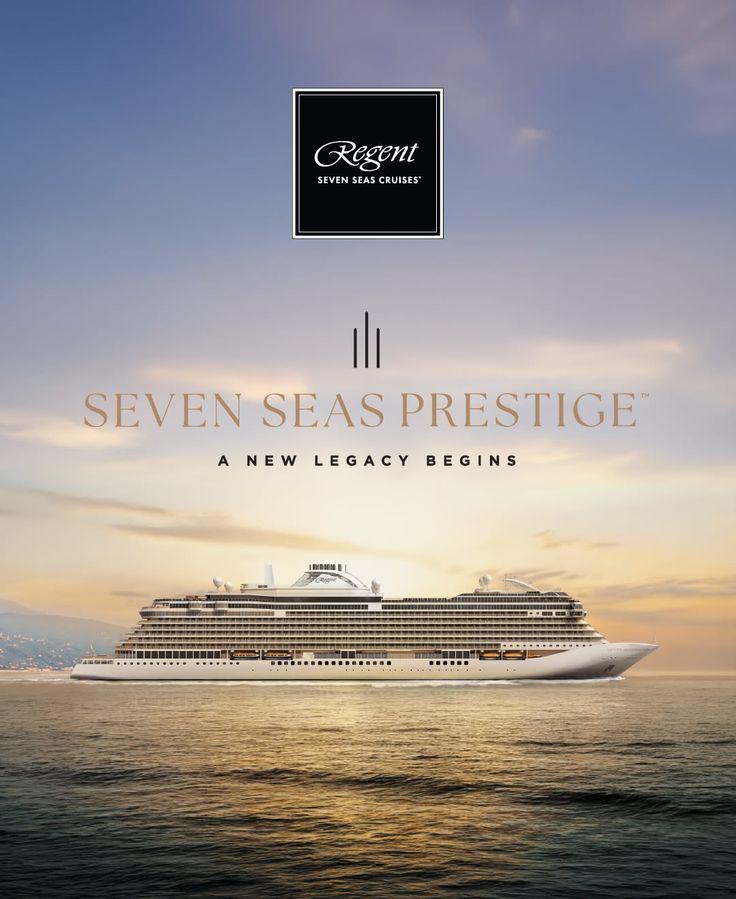
Cruise Line Activates CDC-Approved Health Protocols
James Arnold, spokesperson for Regent Seven Seas Cruises, told the Cape Argus that the ship’s Sanitation Officer promptly implemented CDC-approved procedures. “A small percentage of guests on a Seven Seas Voyager sailing which ended in Cape Town, South Africa, have reported symptoms of stomach flu (gastroenteritis),” Arnold said, adding that all affected guests were receiving medical treatment.
He further explained that extensive cleaning operations—exceeding routine sanitation standards—were carried out in strict accordance with guidelines from the U.S. Centers for Disease Control and Prevention.
These measures were completed ahead of the ship’s subsequent sailing to ensure a safe environment for all onboard.
Port Response, Passenger Delays, and Health Authority Coordination
During the initial phase, the situation was reportedly classified as a “code red,” indicating a high-alert health concern, before later being downgraded to a “code yellow.”
Passengers disembarking in Cape Town experienced delays and were required to remain onboard until clearance was granted to proceed through immigration. Some guests reported receiving limited information, with explanations largely restricted to the vessel’s “code yellow” status.
At the Cape Town Cruise Terminal, staff implemented strict safety measures, including mandatory mask and glove use, while the terminal underwent full sanitization.
Despite this, some workers expressed concern over what they perceived as insufficient information regarding the illness.
The National Institute for Communicable Diseases (NICD) was notified and awaited further details from the Western Cape Department of Health before issuing comment.
Meanwhile, Transnet Port Terminals referred inquiries to the Border Management Authority, which confirmed it did not attend to the vessel, illustrating the complex coordination often involved in port health responses.
With disembarkation now complete and enhanced sanitation measures confirmed, the incident highlights the ongoing challenges facing the global cruise industry.
It underscores the need for robust health protocols, transparent communication, and strong inter-agency cooperation—particularly as Africa’s cruise and tourism sectors continue to expand in a post-pandemic travel environment.