UntNigeria’s “Age of Prosperity”? 6 Key Takeaways From Tinubu’s 66th Independence Day itled Document
Following Nigeria’s 66th Independence Day, Tinubu says the country has moved past its reform phase. His next focus is lower living costs, jobs, industrial growth and poverty reduction.
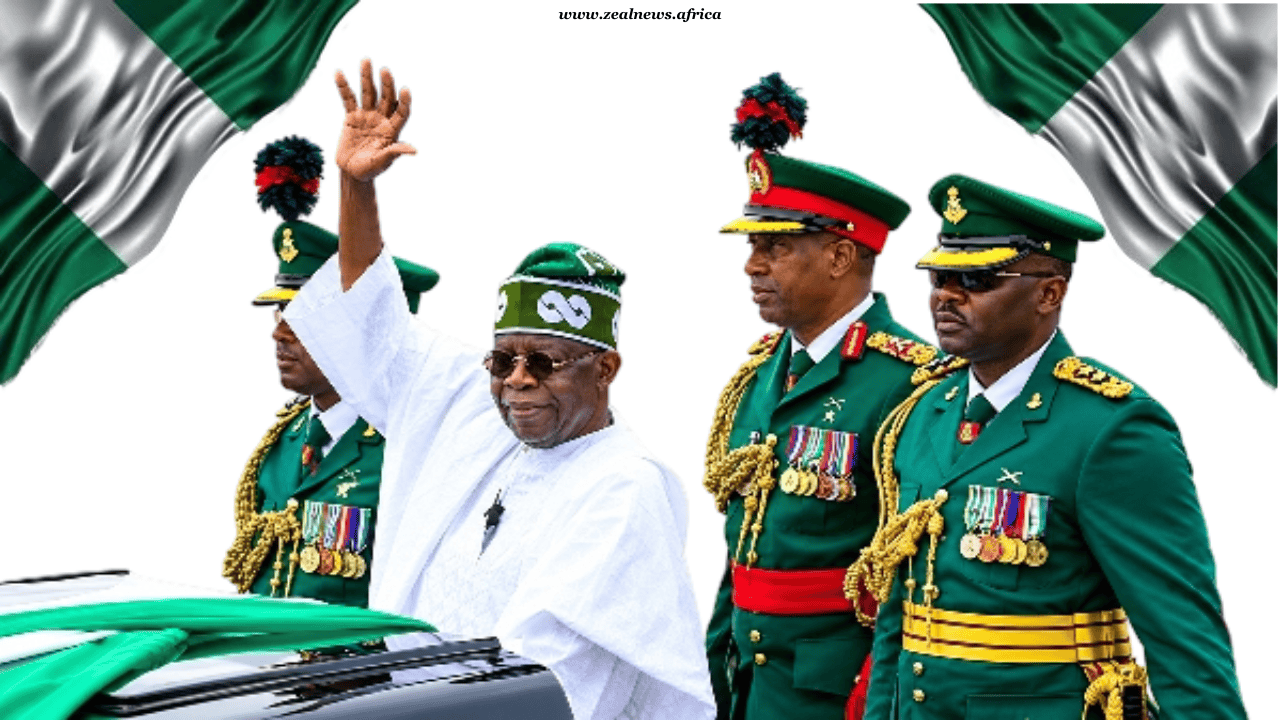
Nigeria turned 66 on October 1, with a history of both progress and disappointment. There have been real gains in technology, business, infrastructure, education and culture, but persistent political instability, economic hardship, insecurity and rising costs have often overshadowed them.
In 2026, we are still navigating those challenges while trying to chart a different path through economic and political reforms. That was the backdrop to President Bola Tinubu’s Independence Day address, where he spoke about where Nigeria stands and what he believes should come next.
1. Nigeria is moving from an “age of reform” to an “age of prosperity”
The central message of Tinubu’s speech was that his administration believes the most difficult stage of its economic reforms has passed.
He described the reforms introduced since 2023 as necessary responses to weaknesses that had built up over decades. Now, he said, the government’s economic task has changed from correcting the country’s course to pursuing “shared and widespread prosperity.”
“The emergency treatment is over,” Tinubu said. He later declared that “the age of reform has done its work. Now begins the age of prosperity.”
2. Bringing down the cost of living will be a major priority
The next phase, according to Tinubu, will focus heavily on bringing down the cost of living.
His proposed route is to reduce the cost of producing and moving the things we consume. That means improving roads, railways and ports, making electricity more reliable for manufacturers and strengthening the links between farms, factories and markets.
The aim is to make it cheaper and faster to get goods from farms and factories to consumers. If manufacturers spend less on electricity, trucks reach destinations faster and fewer crops are lost before reaching markets, Tinubu argues, those savings should eventually show up in prices.
Watch the full video of President Tinubu’s Independence Day address here.
I

3. Jobs, agriculture and industry will get a bigger push
Cheaper goods are only one part of the economic plan. Tinubu also placed jobs, enterprise and industrial growth at the centre of what comes next.
On agriculture, he said the government would expand mechanised irrigation and dry-season farming, improve access to seeds and fertiliser, increase mechanisation and invest in storage and transportation.
The government also plans to use Nigeria’s gas to power new industries, support businesses working to revive factories, expand digital connectivity and invest in skills that employers need.
He spoke about getting more Nigerians involved in production, from farmers supplying cities and factories to businesses selling Nigerian-made goods abroad. Young Nigerians, he said, should be able to find productive work and build businesses at home.
4. He acknowledged that many Nigerians are still struggling
The speech also recognised what is already familiar to many households: the economic changes have not removed the pressure of paying for food, school fees, medical bills and transportation to work.
Tinubu attributed those difficulties to problems that accumulated over decades, including low productivity, inadequate infrastructure, limited opportunities and institutions that failed many of the people they were meant to serve.
His position was that the government cannot undo all of that within four years, but can change the direction of the economy.
5. Government support programmes will remain part of the plan
Support for poorer and vulnerable Nigerians is also set to continue alongside the reforms.
Tinubu pointed to the National Social Register, the Nigerian Education Loan Fund and CREDICORP, which provides consumer credit for assets such as vehicles, solar systems and digital devices.

He also mentioned primary healthcare, basic education, salaries and pensions.
The speech framed these programmes as support for people who need help while the wider economy is being strengthened.
6. Poverty reduction is the destination and Tinubu wants results
Tinubu was direct about what he believes the reforms should ultimately achieve.
“We will defeat it,” he said, referring to poverty.
He acknowledged that tackling a problem accumulated over generations will take time, sustained economic growth and the creation of millions of productive opportunities.
To support his case that the economy is already moving in the intended direction, he cited growth of more than 4 per cent in 2026, lower inflation from its peak, rebuilt foreign reserves, a more stable foreign-exchange market and more than $6 billion in non-oil export revenue in 2025.
The next phase, he said, should turn that progress into jobs, lower costs, stronger businesses and wider opportunity.